6 Common Health Problems in Older Adults

As we age, our bodies experience a variety of changes that can affect our overall health. While growing older comes with its own set of challenges, awareness of common health issues can help older adults and their loved ones take proactive steps toward maintaining well-being.
In this article, we’ll explore six common health problems in older adults, discuss their symptoms, and suggest ways to manage or prevent them.
Heart Disease

Heart disease remains one of the leading causes of death among older adults. As we age, the heart and blood vessels can become less efficient, increasing the risk of conditions such as coronary artery disease, high blood pressure, and heart failure.
- Chest pain or discomfort
- Shortness of breath
- Fatigue or dizziness
- Swelling in the legs or abdomen
- Regular physical activity, such as walking or swimming, can improve heart health.
- A heart-healthy diet rich in fruits, vegetables, and whole grains can lower cholesterol levels.
- Regular check-ups with a doctor to monitor blood pressure and cholesterol levels.
Arthritis and Joint Pain

Joint pain and arthritis are incredibly common in older adults. Conditions like osteoarthritis and rheumatoid arthritis cause joint inflammation and discomfort, making movement painful and often limiting daily activities.
- Stiffness and swelling in the joints
- Pain that worsens with movement
- Reduced flexibility and range of motion
- Maintaining a healthy weight reduces stress on the joints, particularly the knees and hips.
- Regular low-impact exercises, such as stretching and swimming, can improve flexibility and reduce pain.
- Medications, physical therapy, and in some cases, surgical options, can offer relief.
Cognitive Decline and Dementia
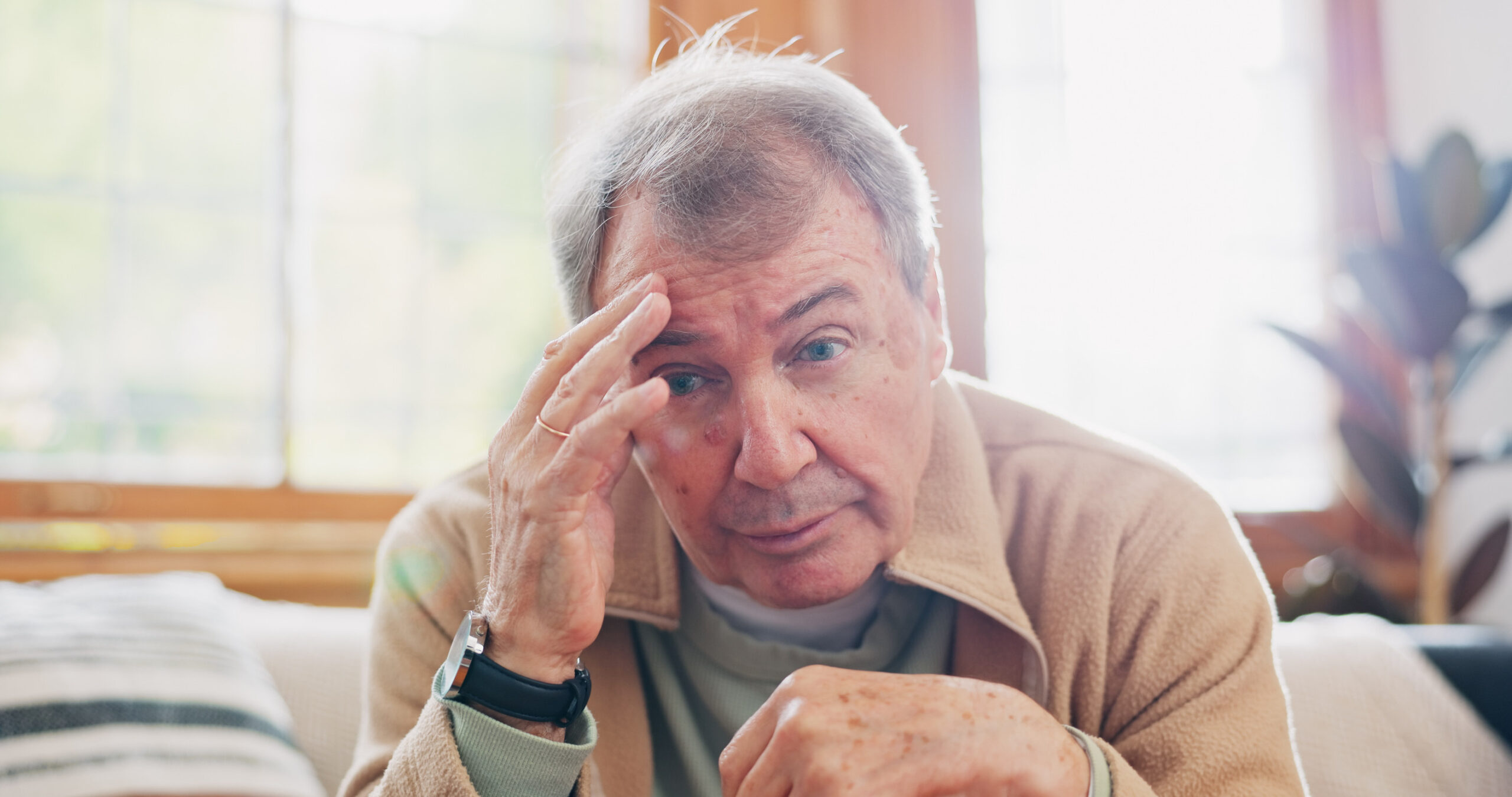
Cognitive decline is not an inevitable part of aging, but it becomes more prevalent with age. Conditions like Alzheimer’s disease and other forms of dementia can impair memory, thinking, and behavior, significantly impacting the ability to perform everyday tasks.
- Memory loss, especially of recent events
- Difficulty with problem-solving or planning
- Confusion about time and place
- Changes in mood and personality
- Regular mental stimulation through reading, puzzles, or learning new skills may help maintain cognitive function.
- Social interaction and maintaining a strong support network are beneficial for mental health.
- Early diagnosis and interventions, such as medications and therapies, can slow the progression of dementia.
Diabetes
As people age, the risk of developing type 2 diabetes increases due to factors such as decreased physical activity, poor diet, and genetic predisposition. Diabetes can lead to serious complications like heart disease, kidney problems, and nerve damage if not properly managed.
- Increased thirst and urination
- Unexplained weight loss
- Blurred vision
- Slow-healing wounds
- Eating a balanced diet and maintaining a healthy weight are critical in preventing diabetes.
- Regular physical activity, like walking or dancing, can help regulate blood sugar levels.
- Monitoring blood sugar levels regularly and taking prescribed medications as directed can help keep diabetes in check.
Osteoporosis
Osteoporosis, a condition where bones become brittle and fragile, is common in older adults, particularly women after menopause. The risk of fractures increases significantly, often leading to long-term health issues and a diminished quality of life.
- Back pain or a loss of height
- Fractures or broken bones with minimal trauma
- A stooped posture
- Consuming adequate calcium and vitamin D is essential for maintaining bone strength.
- Weight-bearing exercises, such as walking, jogging, or resistance training, can help strengthen bones.
- Medications, such as bisphosphonates, can help slow bone loss.
Vision and Hearing Loss

As we age, sensory changes in vision and hearing are inevitable to some degree. Cataracts, glaucoma, age-related macular degeneration, and hearing loss are common problems that can impact daily life, making it harder to engage in activities and maintain independence.
- Difficulty reading or seeing in low-light conditions (for vision loss)
- Ringing in the ears or difficulty understanding speech (for hearing loss)
- Regular eye exams can detect conditions like cataracts and glaucoma early, allowing for timely treatment.
- Wearing sunglasses to protect eyes from UV rays and eating foods rich in antioxidants can support eye health.
- Hearing aids and other assistive devices can help those with hearing loss maintain their quality of life.
Conclusion
While aging inevitably brings some health challenges, many of these common health problems can be prevented or managed with proper care. Staying active, eating a balanced diet, and scheduling regular check-ups with healthcare providers are crucial steps in maintaining good health as we grow older.
By being aware of these common issues and taking proactive measures, older adults can continue to lead fulfilling, independent lives well into their later years.
Read the original Crafting Your Home