6 backyard tools that might soon be illegal
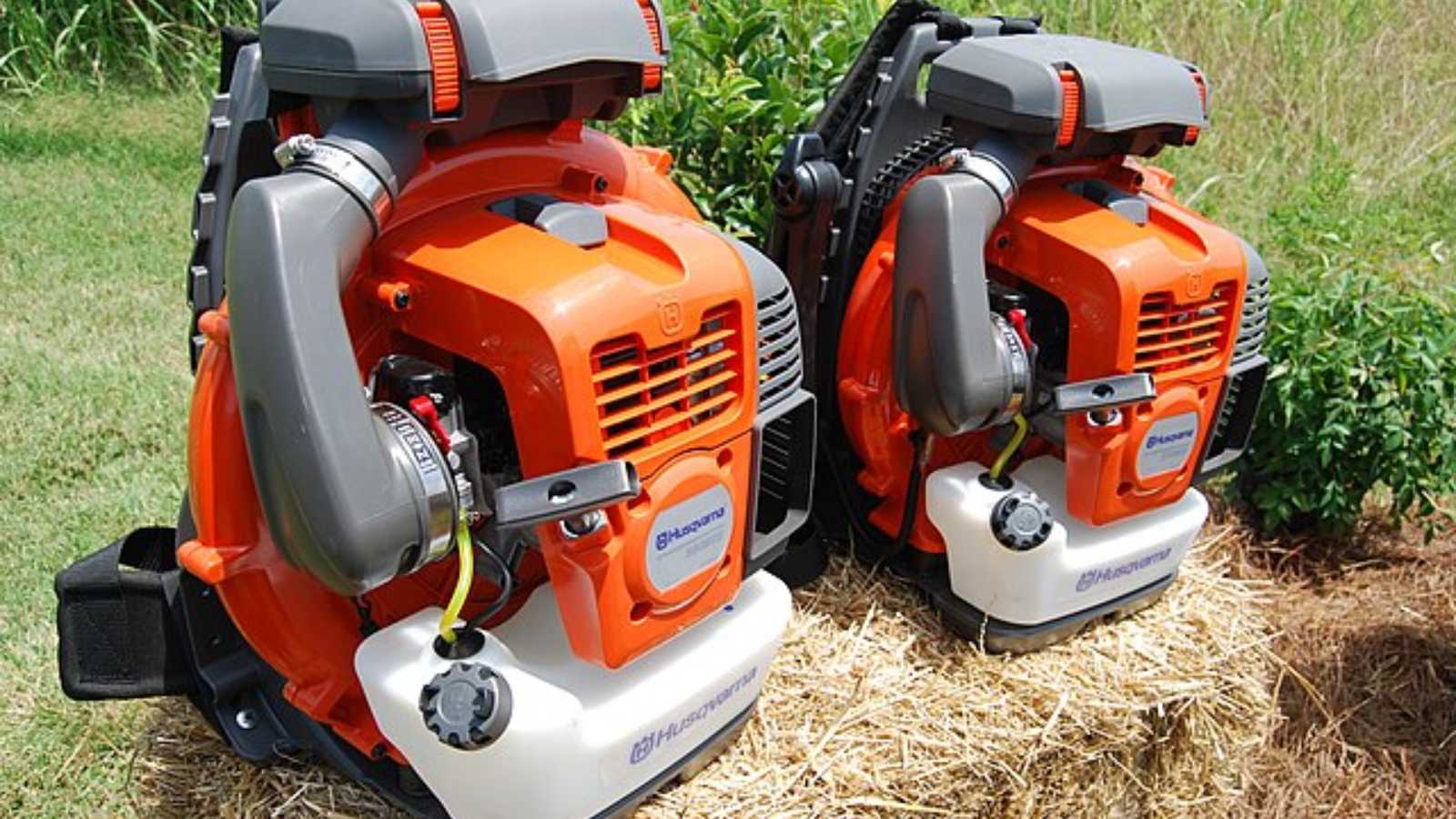
The sound of your Saturday morning might be about to change forever because your favorite gas-guzzling tools are officially on the chopping block. According to the Environment America Research & Policy Center, gas-powered lawn mowers emit millions of tons of pollutants annually, with one hour of mowing equaling 300 miles of driving. Kirsten Schatz, a clean air advocate at CoPIRG, notes that more communities are taking action each year to address this “shocking amount of pollution” from yard equipment.
Currently, over 200 local governments across the U.S. have already passed restrictions on these noisy back-savers. We should all prepare for a much quieter (and battery-heavy) future in our sheds.
Gas-powered leaf blowers
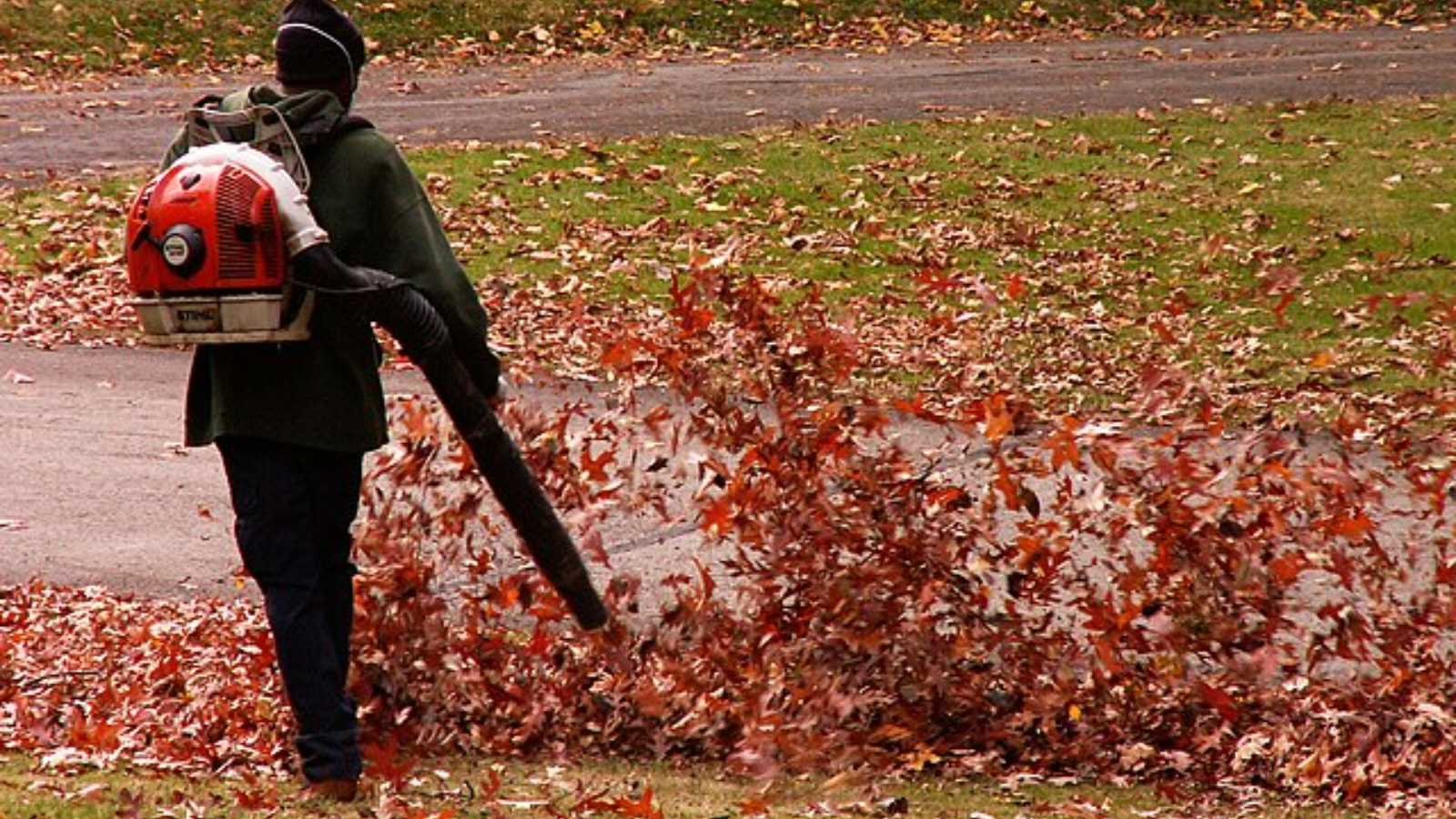
These tools represent public enemy number one in suburban noise wars. Research shows these blowers can produce noise levels of 95 to 100 decibels, which explains why my neighbor looks like he’s wearing heavy-duty earmuffs at a rock concert. States like California have already banned their sale, and Washington, D.C., fines officials who catch you using one at $500. Operating a commercial blower for just one hour spews the same smog-forming pollution as driving a car 1,100 miles.
Who actually wants to breathe in exhaust while clearing a simple walkway? According to the City of Portland, Oregon, Portland just voted to phase these out starting in 2026, aiming for a total ban by 2028. Switching to electric alternatives might save your hearing and your relationship with the people next door. Ever wondered why the sound of an electric blower is so much easier on the ears?
Traditional lawn mowers
Your trusty push mower likely faces a similar fate very soon. California started the trend by banning the sale of new gas-powered “small off-road engines” (SORE) in 2024. Experts estimate that 54 million Americans mow their lawns every weekend, burning 800 million gallons of gas a year. Most people don’t realize that using a gas mower for an hour produces the same emissions as 11 new cars running for that same hour.
I used to love the roar of a V-twin engine, but lawmakers in Minnesota and Washington are pushing bills to ban the sale of new gas-powered vehicles by 2026. Battery-powered models now account for about a third of the market as people ditch the spark plugs for good. You can still use your old mower until it dies, but buying a brand-new one might require a trip across state lines in the near future.
Two-stroke chainsaws and trimmers
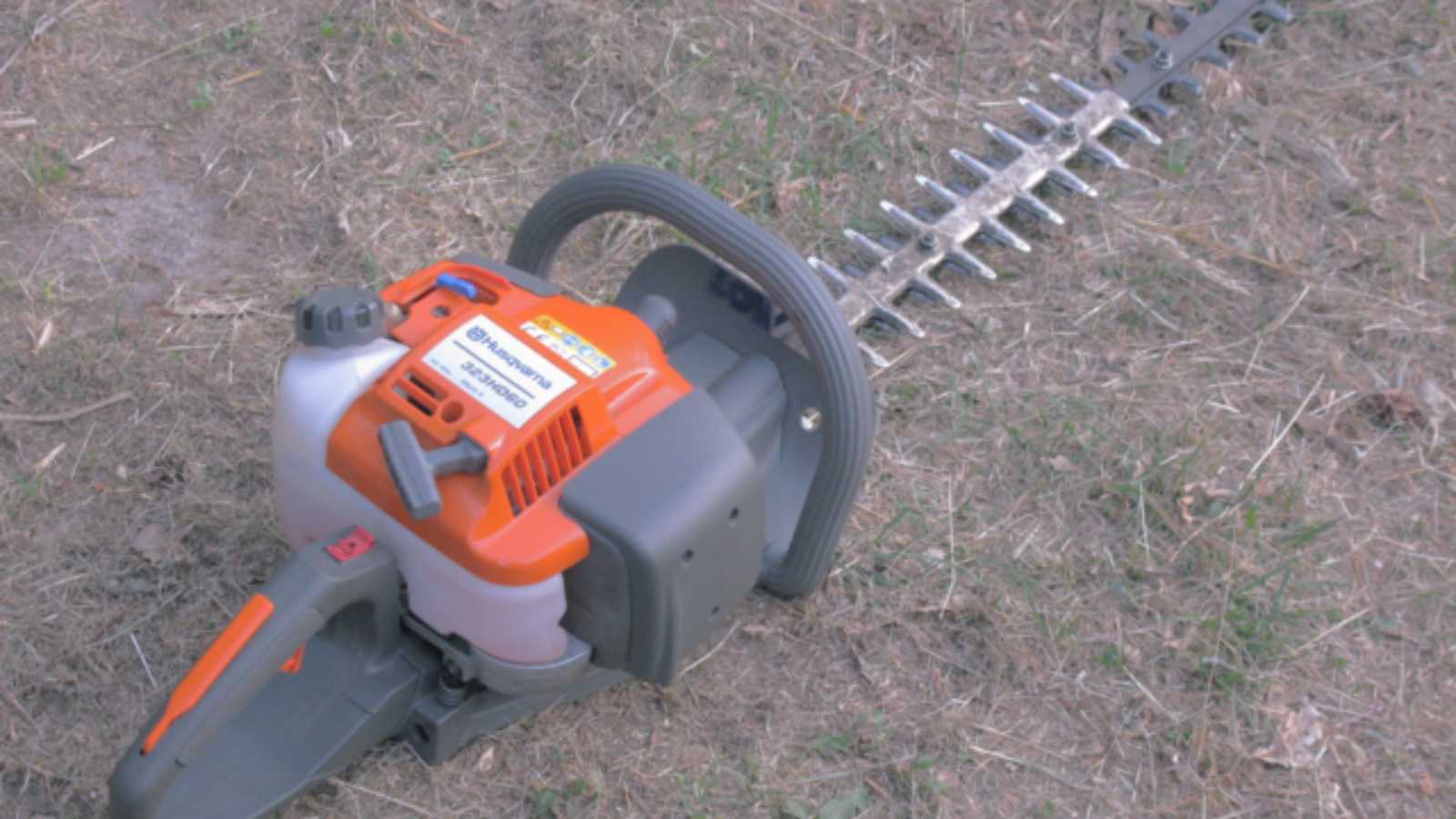
Two-stroke engines are notorious for being “dirty” because they burn a gas-oil mixture. Because these engines lack catalytic converters, they discharge nearly 30% of their fuel unburned directly into the air we breathe. California already pulled the plug on new sales, and Seattle is currently phasing them out for city operations.
I recently tried a battery-powered chainsaw and, honestly, it handled my fallen oak branch like a champ. These tools fall under the same “25-horsepower-or-less” rule that is currently sweeping through state legislatures. Electric trimmers and saws offer less vibration and zero frustration with the starting cord, which my shoulders definitely appreciate after a long afternoon.
Wood-burning fire pits
Nothing beats a cozy fire, but “Spare the Air” alerts are making backyard pits a legal gamble in many cities. Places like the San Francisco Bay Area make it illegal to burn wood when particulate pollution levels reach unsafe levels. Multnomah County in Oregon also issues “Red Day” wood-burning restrictions, under which recreational fires are subject to civil fines. Residential wood smoke ranks as the second-leading human-caused source of fine particulate matter in some regions.
These tiny particles are 1/70th the width of a human hair and can enter your bloodstream when you inhale them. The American Lung Association recommends switching to propane- or natural-gas fire pits for cleaner burning. I miss the crackle of real logs sometimes, but I don’t miss the stinging eyes and smoky clothes.
Neonicotinoid garden sprays
We all want a pest-free garden, but some bug sprays are disappearing from shelves due to their environmental impact. California, Vermont, and New York are leading the charge to ban neonicotinoids like imidacloprid for residential use. These chemicals link directly to the decline of honeybees and other vital pollinators. If you live in California, you will need a professional license just to buy these starting in 2025.
Why risk the bees when effective organic alternatives exist? Vermont’s Pollinator Protection Act even prohibits these chemicals for most outdoor residential applications starting this year. Transitioning to organic pest control helps keep your local ecosystem thriving while avoiding potential regulatory headaches.
Rodent glue traps
These sticky boards might be the most controversial item on the list. A national bill, the Glue Trap Prohibition Act (HR 7018), aims to ban their sale and use nationwide. The CDC even warns against them because trapped rodents spread diseases like Hantavirus through their waste. Cities like West Hollywood and Ojai have already pulled them from the market entirely.
I find them a bit grisly myself, as animals often suffer for several days before dying of dehydration or suffocation. Over 100 U.S. airports and major retailers like Target have already banned their use in their facilities. Humane snap traps offer a more effective and cleaner solution for your garage or basement.
Key takeaway

The “green” shift isn’t just a trend; it’s a legal reality that is changing how we shop for the shed. From the end of gas-powered leaf blowers to the rise of battery-run mowers, our backyards are getting a high-voltage makeover. Keeping up with these changes ensures you stay on the right side of the law while keeping your property looking sharp. Ready to trade in that old gas can for a rapid charger?
Read the Original Article on Crafting Your Home.