5 U.S. Cities Struggling the Most with Homelessness

Homelessness in the United States is at a crisis point, and its effects are visible in cities across the country.
A recent report from the U.S. Department of Housing and Urban Development (HUD) paints a stark picture: on a single night in January 2024, nearly 771,480 individuals were homeless, marking the highest number since tracking began in 2007. With an 18% rise in just one year, the trend is alarmingly steep.
This crisis affects a diverse range of people, from families and veterans to the chronically homeless, and it is intensifying in key urban areas.
Let’s explore which cities are facing the brunt of this crisis and what factors are driving this unprecedented surge in homelessness.
Seattle

Seattle is facing its highest homeless population in history, with over 16,000 people living without permanent shelter in 2024. The city’s homelessness crisis is exacerbated by the tech boom, which has driven up living costs, pushing out anyone who isn’t earning a six-figure salary. Seattle’s economy is booming, but it’s not benefiting everyone.
Between 2022 and 2024, Seattle’s homeless population jumped by 23%, with unsheltered homelessness rising by nearly 28%. The city’s crisis highlights the dangers of economic displacement, when a booming economy lifts only some, leaving behind the vulnerable, displaced, and marginalized.
Denver
Denver’s homelessness crisis has reached a record high, with nearly 10,000 people experiencing homelessness in 2024. This marks a 10% increase from the previous year and continues a disturbing upward trend. However, amidst the bleak statistics, there is a glimmer of hope. The city’s “All In Mile High” initiative, aimed at moving people from encampments into temporary housing, has achieved an impressive 82.5% reduction in the number of unsheltered families.
Despite targeted efforts, the rate of homelessness in Denver continues to climb, showing that temporary fixes are not enough to address the deep-seated issues of housing affordability and economic instability.
New York City

New York City, the largest city in the U.S., also has the highest homeless population in the nation. The official count stands at over 140,000, but when factoring in those temporarily staying with friends or family, the real number is believed to surpass 350,000. The city’s shelter system is struggling to keep up, housing over 132,000 people nightly, more than the population of some medium-sized U.S. cities.
The city’s unique “right to shelter” law, which mandates that any individual who requests shelter must be provided a bed, has kept the majority of the homeless population off the streets. However, the sheer scale of the problem is overwhelming, with the city’s affordable housing crisis at the heart of the issue. Over a million affordable housing units have been lost since the 1990s, and the vacancy rate for affordable apartments is a mere 1.4%. As a result, families and individuals are stuck in a shelter system that is both costly and overcrowded.
Phoenix
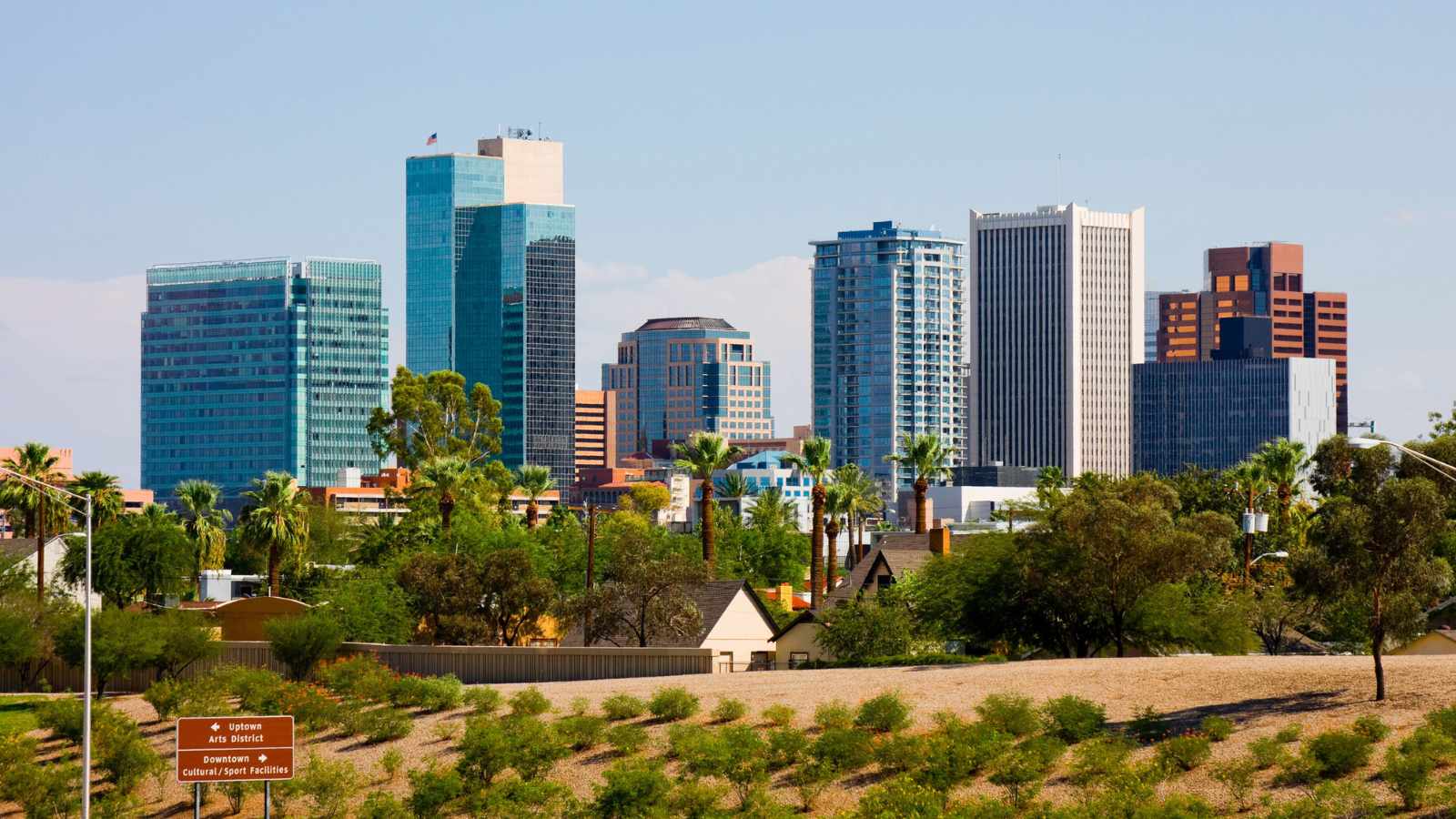
Phoenix has experienced one of the highest rent hikes in the country, which has directly contributed to the city’s homelessness crisis. In 2024, the Phoenix metro area saw roughly 9,435 homeless individuals, with a staggering rise in the number of people living on the streets. Rents in Phoenix have increased by as much as 30% annually in recent years, pushing thousands of families to the brink of homelessness.
While there has been a slight increase in shelter capacity and a small drop in unsheltered homelessness, the underlying issues of soaring rent prices and a shortage of affordable homes persist.
San Francisco
San Francisco’s homelessness crisis is a mix of rising rents, economic displacement, and a shocking influx of new homeless individuals. In 2024, the city’s homeless population rose by 7%, but the number of people living in vehicles surged by 37%. The crisis in San Francisco has shifted, while the number of street encampments has decreased, the number of people living in vehicles, especially families, has reached new highs.
San Francisco’s ongoing struggle to address homelessness highlights a critical issue: for every person successfully moved into housing, approximately three new individuals become homeless. The city’s focus on temporary solutions has been inadequate in solving the root cause, unaffordable housing.
Key Takeaways

Homelessness in the U.S. is a complex and multifaceted crisis. The common thread running through cities like New York, Los Angeles, Seattle, and San Francisco is the severe shortage of affordable housing. Rising rents, economic displacement, and a lack of sustainable solutions are pushing more people into homelessness, with some areas seeing more than half of their homeless population unsheltered.
While cities are attempting to address the issue with initiatives like shelter expansions and Housing First programs, these efforts are often too little, too late. The real solution lies in addressing the root cause, affordable housing.
By prioritizing affordable housing development, expanding social services, and tackling economic inequality, we can begin to make real progress in solving the homelessness crisis.
Read the original article on crafting your home