5 Reasons Why “Quiet Living” Is Gaining Popularity

Embracing Simplicity and Peace

Quiet living is about intentionally stepping away from the distractions that have become so ingrained in our modern existence. It’s about finding calm, slowing down, and focusing on what truly matters. For many, this means embracing a minimalist lifestyle, getting rid of excess clutter, both physical and mental, and creating space for meaningful experiences and connections.
The Appeal of Nature and Rural Living
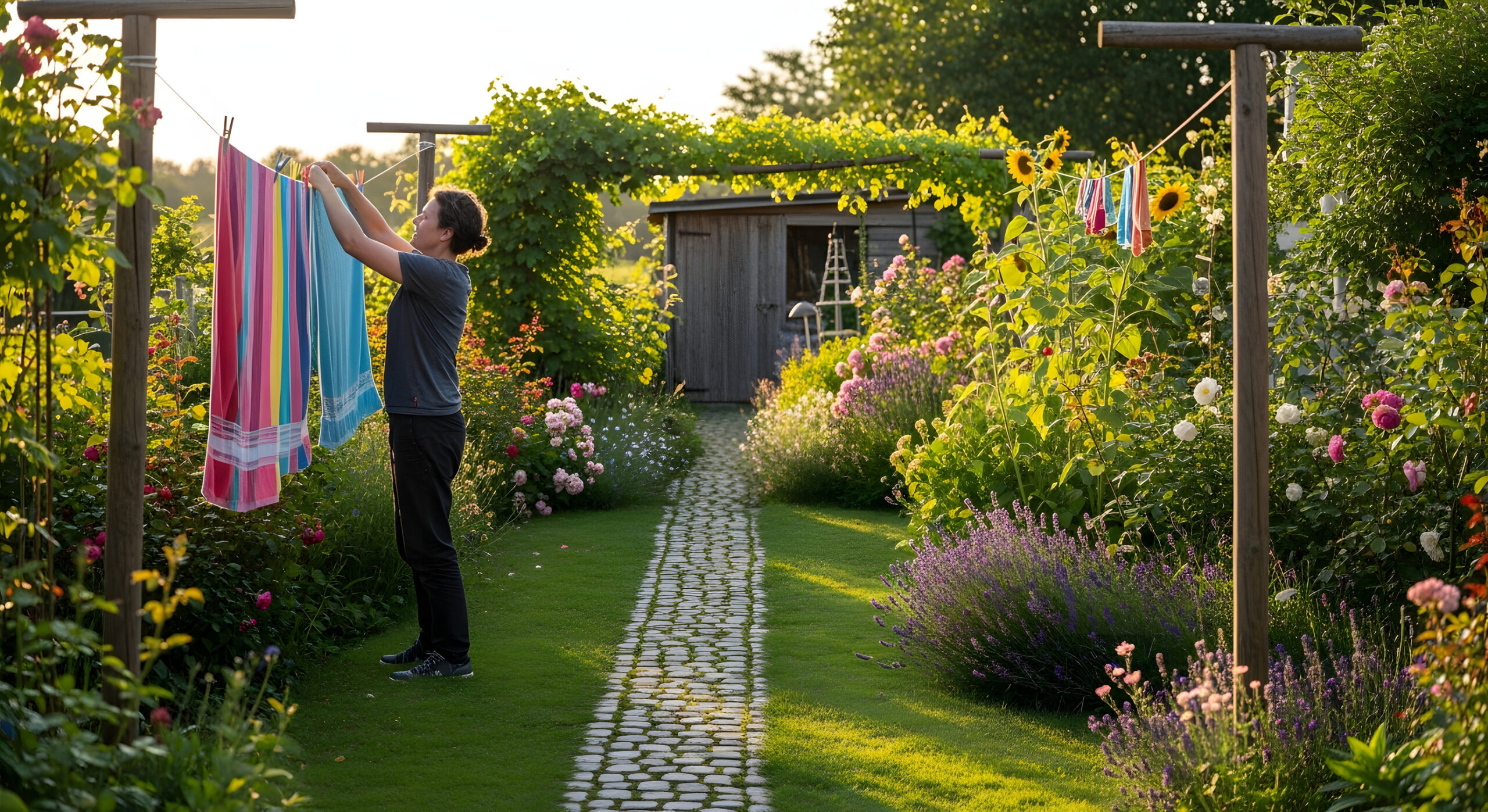
One of the core aspects of quiet living is moving away from urban centers and embracing rural or suburban life. Nature has long been known for its calming effects, and many people are finding solace in the simplicity of living closer to nature. The sound of birds chirping, the rustle of leaves, or the gentle flow of a nearby stream can offer a sense of tranquility that is hard to find in the urban jungle.
More and more people are choosing to live in small towns, rural areas, or even remote locations. These places offer a slower pace of life, with less noise, fewer distractions, and a stronger sense of community. The appeal is clear: a quieter life means more time for personal growth, outdoor activities, and family bonding.
It’s about creating an environment where one can truly breathe, think, and be present.
Technology and the Desire for Balance
Ironically, while technology has been a driving force behind the chaos of modern life, it is also enabling quiet living. People are using digital tools to work remotely, allowing them to live in more peaceful locations without sacrificing career opportunities. Virtual communication platforms have made it easier to connect with loved ones, while e-commerce allows convenient shopping without venturing into crowded stores.
A Return to Mindfulness and Self-Care
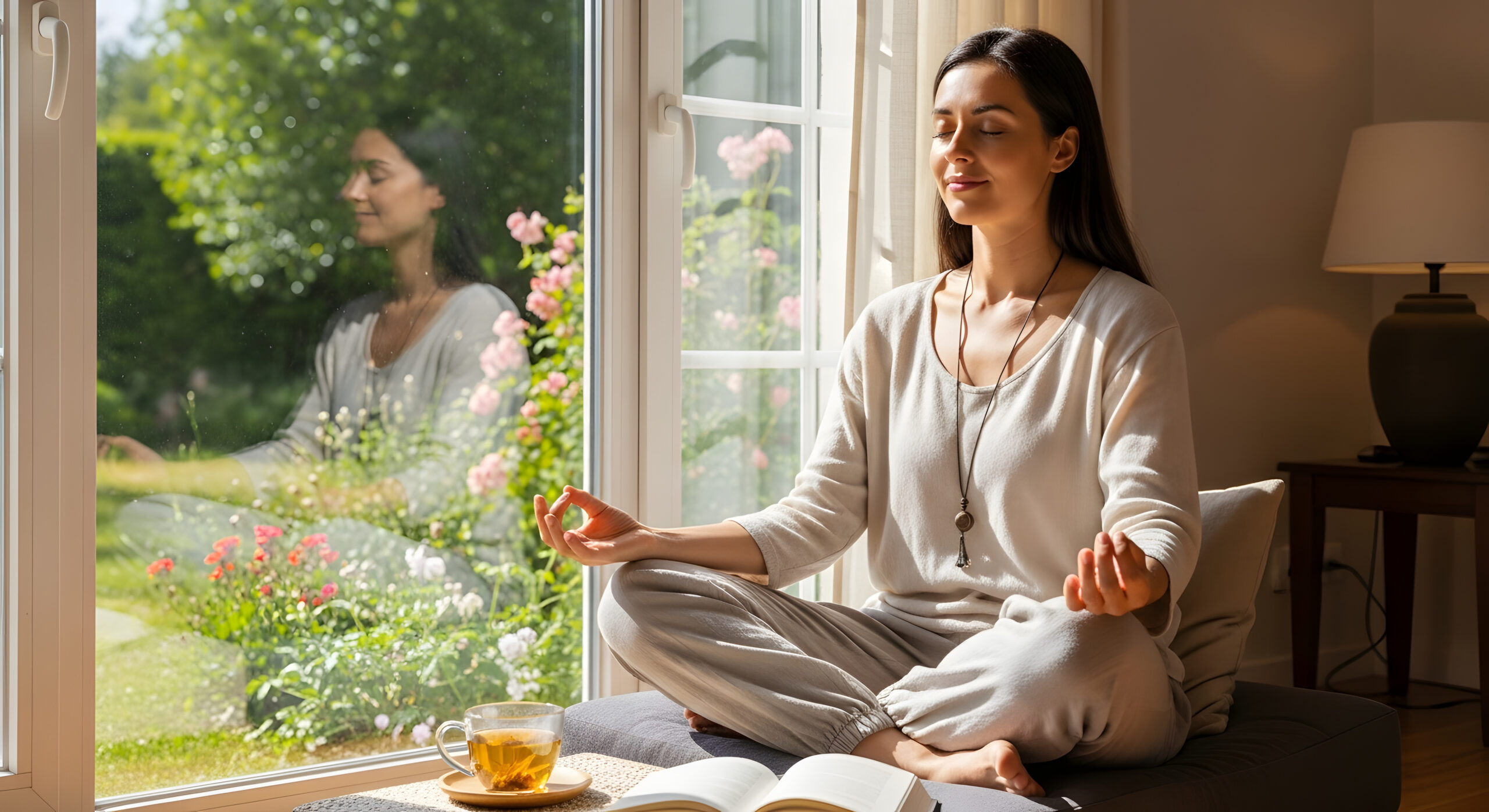
In a world that constantly demands more from us, quiet living allows individuals to focus on themselves. This lifestyle promotes mindfulness, meditation, and other self-care practices that prioritize mental, emotional, and physical health. Rather than running on autopilot, people are taking the time to be intentional with their actions, slowing down to appreciate the present moment.
Redefining Success and Happiness
For many, quiet living represents a new definition of success. In a society that often equates achievement with constant striving, financial success, and busy schedules, quiet living challenges those norms. It is not about having more, but about having enough and being content with it.
Conclusion
As more people begin to feel the strain of a noisy, chaotic world, quiet living is likely to continue gaining popularity. In an era of burnout, mental health crises, and a yearning for deeper connection, the shift towards a quieter, more mindful lifestyle is both timely and necessary.
Quiet living is not just a trend; it’s a conscious choice to step back and rediscover what truly matters. It’s about embracing a slower, more intentional way of life that allows individuals to recharge, find peace, and live in alignment with their values. As the world becomes louder and more demanding, the appeal of quiet living only seems to grow stronger.
Read the original Crafting Your Home