In recent decades, America has witnessed a significant shift in the types of homes being built. Starter homes, once the go-to option for young families and first-time buyers, have all but disappeared in many areas. Today, higher-priced homes dominate the market, leaving many Americans searching for more affordable options that simply aren’t there.
But why has this shift occurred? A variety of factors, including rising costs, changing buyer preferences, and economic trends, have contributed to the end of the classic starter home.
Let’s explore five key reasons why America stopped building these homes.
Increased Construction Cost
Image Credit: Photo by Shopstone, CC0, via Wikimedia Commons
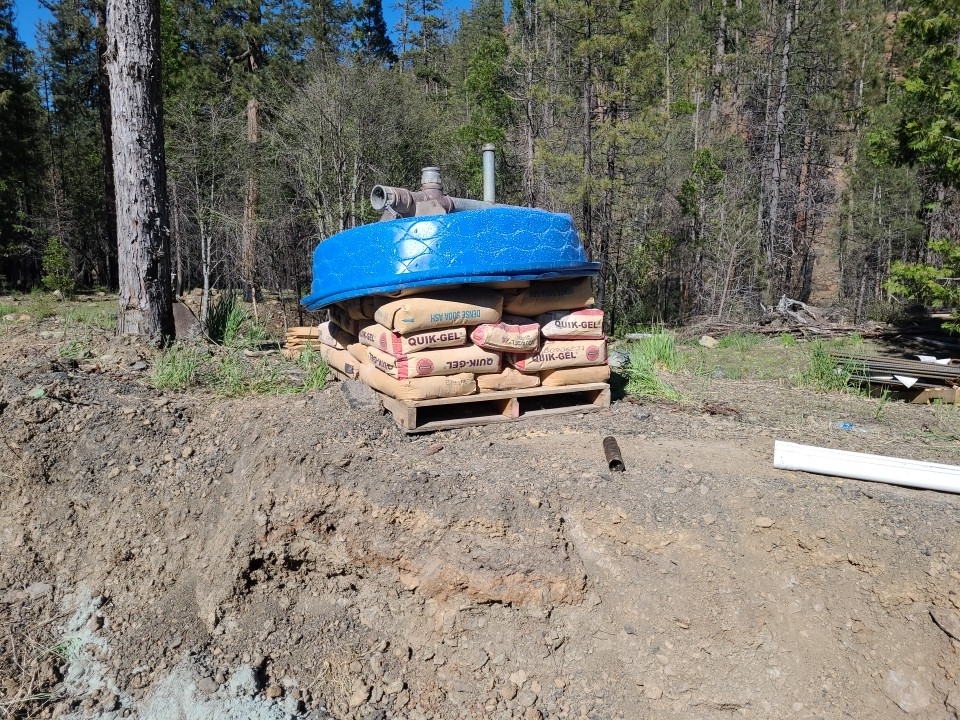
The primary reason for the disappearance of starter homes is the sharp rise in construction costs. According to the National Association of Home Builders (NAHB), Construction costs account for 64.4% of the average price of a home. The price of lumber, concrete, and steel has skyrocketed, making it difficult for builders to construct affordable homes without sacrificing quality or profitability. As a result, developers often opt for larger, more expensive homes, which offer a higher return on investment.
Additionally, labor shortages and inflation have exacerbated these costs, leading many builders to shift their focus toward higher-end properties. The end result is that the classic starter home, once the entry point for many families, is now a rare commodity in many parts of the country.
Land Availability And Zoning Laws
Another significant factor is the limited availability of land for new housing developments. As urban areas grow and suburban sprawl continues, developers face challenges in finding affordable land for building new homes. Zoning laws in many areas have also become more restrictive, limiting the ability to build smaller, more affordable homes.
Restrictive zoning laws have become one of the biggest barriers to building affordable housing. As cities grow more crowded and available land becomes scarce, the demand for larger, more expensive homes often takes priority. This shift leaves fewer options for first-time buyers who would typically seek smaller, more affordable starter homes.
Rising Home Prices And Property Taxes
The surge in home prices over the past decade has made it increasingly difficult for buyers to find affordable homes. In fact, the median price of a home in the U.S. has nearly doubled, according to data from the U.S. Census Bureau. This rise in prices has outpaced wage growth, making homeownership less accessible to many Americans.
Property taxes have also climbed in many areas, further exacerbating the affordability crisis. For many potential homeowners, these rising prices and taxes push the idea of purchasing a starter home out of reach.
Shift In Buyer Preference
Today’s homebuyers, especially Millennials and Gen Z, are looking for more than just a basic starter home. They desire larger homes with modern amenities and features that cater to their lifestyles, such as home offices, spacious kitchens, and energy-efficient technologies. These preferences reflect broader shifts in how people live and work, especially with the rise of remote work.
A study by the National Association of Realtors found that buyers prioritize a larger home with more space, even if it means paying more. As a result, builders are catering to this demand for more luxurious homes, leaving smaller, starter homes in the dust. The market has evolved, and homebuyers are willing to invest more in properties that reflect their aspirations and long-term goals.
Lack Of Incentives For Builders
Image Credit: Photo by Boudoirphotographyguide, CC BY 4.0, via Wikimedia Commons
In addition to rising costs and zoning challenges, builders have little financial incentive to construct smaller, more affordable homes. The profit margins on larger homes are simply too tempting to ignore. Builders can make more money by focusing on larger properties with high-end finishes, which cater to a more affluent market.
Furthermore, many local governments do not offer incentives or tax breaks for building affordable housing, making it less appealing for developers to pursue starter home projects. Without these financial incentives, smaller homes often get sidelined in favor of more profitable ventures.
Conclusion
Restrictive zoning laws have become one of the biggest barriers to building affordable housing. As cities grow more crowded and available land becomes scarce, the demand for larger, more expensive homes often takes priority. This shift leaves fewer options for first-time buyers who would typically seek smaller, more affordable starter homes.
Patience is a writer whose work is guided by clarity, empathy, and practical insight. With a background in Environmental Science and meaningful experience supporting mental-health communities, she brings a thoughtful, well-rounded perspective to her writing—whether developing informative articles, compelling narratives, or actionable guides.
She is committed to producing high-quality content that educates, inspires, and supports readers. Her work reflects resilience, compassion, and a strong dedication to continuous learning. Patience is steadily building a writing career rooted in authenticity, purpose, and impactful storytelling.