5 Most “Sticky” U.S. States: Where People Choose to Stay and Why It Matters

When it comes to migration patterns across the United States, some states have a remarkable ability to keep their residents from leaving. Known as “sticky states,” these locations create an environment that encourages people to stay rooted, often due to a combination of cultural, economic, and social factors. This phenomenon is crucial in understanding the broader trends in state-to-state migration and the unique characteristics that make certain states more appealing for long-term residency.
North Carolina
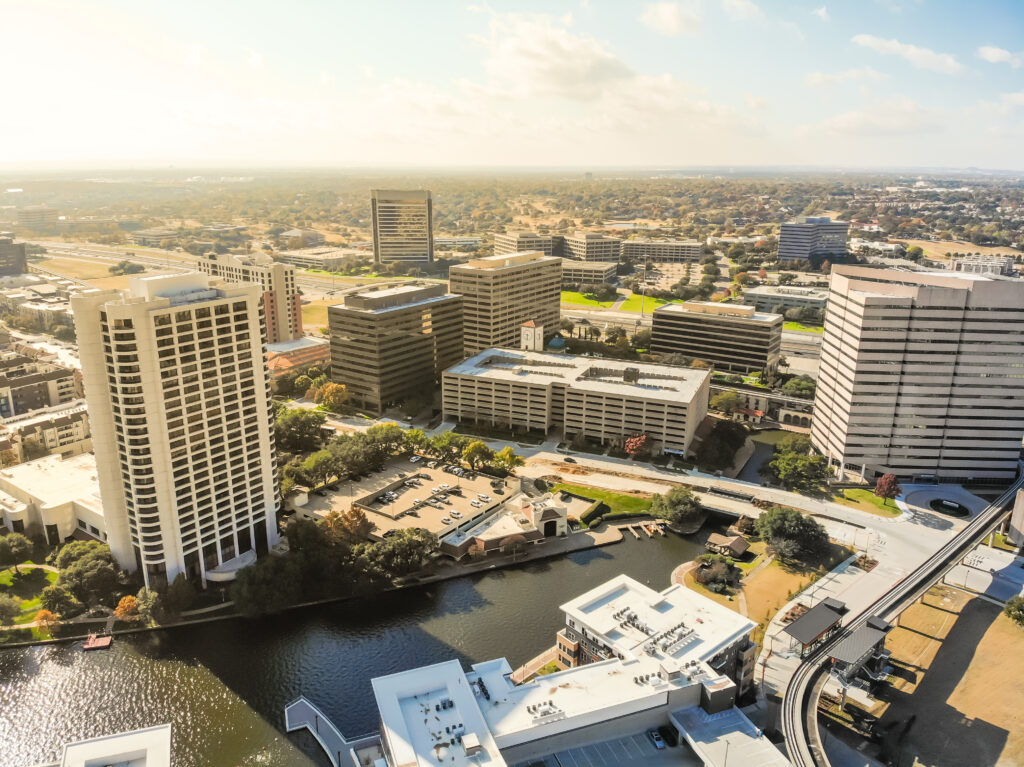
North Carolina is another state that people tend to stick with, boasting a retention rate of 75.5%. Known for its mild climate, beautiful natural landscapes, and affordable cost of living, North Carolina offers an appealing balance between urban convenience and rural charm.
Compared to high-cost cities like New York or California, North Carolina offers affordable housing, making it an attractive place for young professionals and families.
Many people choose to stay in North Carolina because it provides a sense of community. With its rich history and deep cultural roots, the state fosters a welcoming environment for long-term residents.
Texas
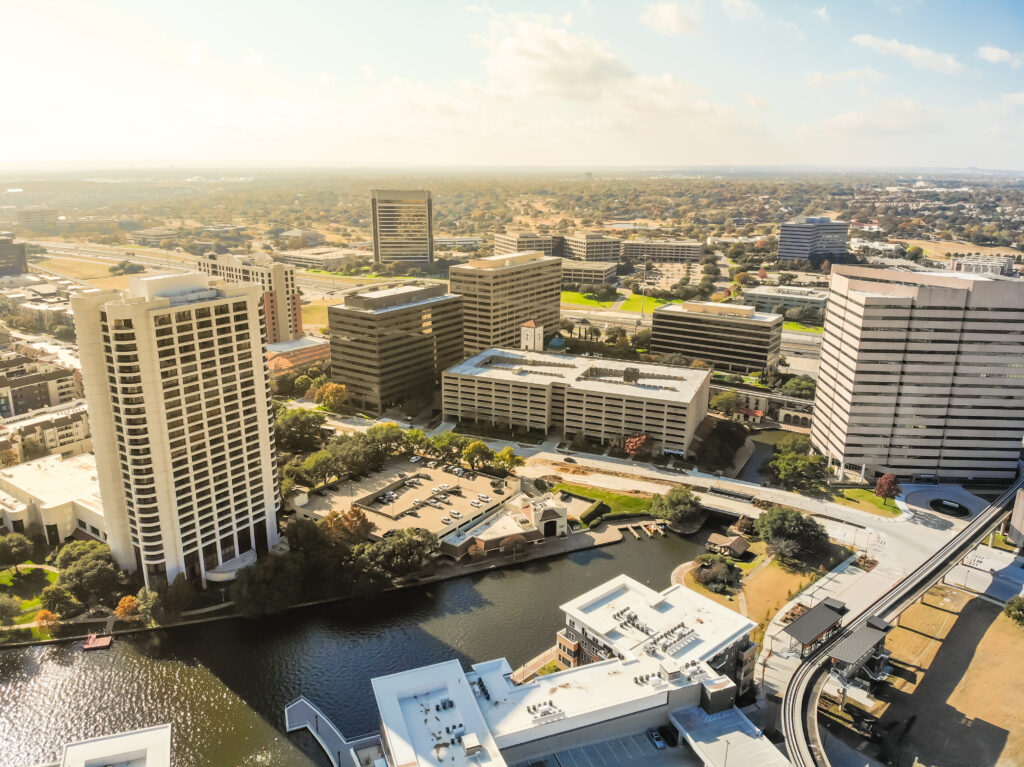
Texas stands out as the most “sticky” state in the nation. With an impressive retention rate of 82%, Texas offers a unique blend of economic opportunities, warm climate, and cultural identity. The state is home to rapidly growing cities like Austin, Houston, and Dallas, all of which provide ample job prospects, affordable living, and vibrant communities.
Texas has a strong economy driven by industries like technology, energy, healthcare, and education. Its economic diversity provides job security and opportunities for residents to grow within the state.
The lack of a state income tax is a significant draw, making it financially attractive compared to other states with higher tax burdens. For many, Texas feels like home due to deep-rooted family connections and the unique blend of cultures. The state’s diverse population, especially in cities like El Paso, adds to its “sticky” appeal.
Georgia
Georgia’s growing economy, driven by sectors like agriculture, technology, and logistics, provides plenty of opportunities for residents to thrive.
Family connections and hospitality are a significant factor in Georgia’s high retention rate. Many residents stay close to their loved ones, forming tight-knit communities.
Georgia offers a relatively low cost of living compared to many other states, especially in terms of housing. This makes it an attractive option for those looking to stay in a place with economic stability and accessibility.
California
California is often seen as the epitome of opportunity, but it also faces unique challenges in retaining its residents. With a retention rate of 73%, California remains one of the top states in terms of “stickiness,” even as it struggles with issues like high housing costs and overcrowding.
California has a vibrant and diverse economy, ranging from tech hubs like Silicon Valley to entertainment in Los Angeles and agriculture in the Central Valley. The economic opportunities are vast, attracting a wide range of professionals.
The state’s enviable climate and stunning landscapes, from beaches to mountains are major factors keeping residents in place. The allure of the Golden State’s natural beauty is undeniable.
Utah
Utah’s 72.9% retention rate makes it one of the top contenders in the “sticky state” category. With its strong focus on family values, a growing economy, and breathtaking landscapes, Utah is an attractive place for those seeking a balanced, fulfilling life.
Utah has a family-oriented culture, with many residents choosing to stay in the state to be near relatives. This creates a strong sense of community and belonging. Utah’s stunning national parks, including Zion and Bryce Canyon, attract those who appreciate the great outdoors, offering both residents and visitors opportunities for adventure
Conclusions
The phenomenon of “sticky states” provides valuable insights into what makes certain regions more desirable for long-term residency. While economic factors like job availability and housing affordability are critical, other elements such as cultural identity, climate, and family connections also play pivotal roles in keeping residents rooted.