5 Money-Saving Habits Boomers Refuse to Give Up

In an era where overspending is easy and constant consumerism is the norm, Baby Boomers have mastered the art of saving through practical habits that have stood the test of time.
Their resourcefulness wasn’t just about surviving tough economic times—it was about making sustainable choices that continue to save them a fortune today.
Here are 6 listicles that break down the Boomer habits that can help you manage your money better and live a more sustainable lifestyle.
Cooking at Home
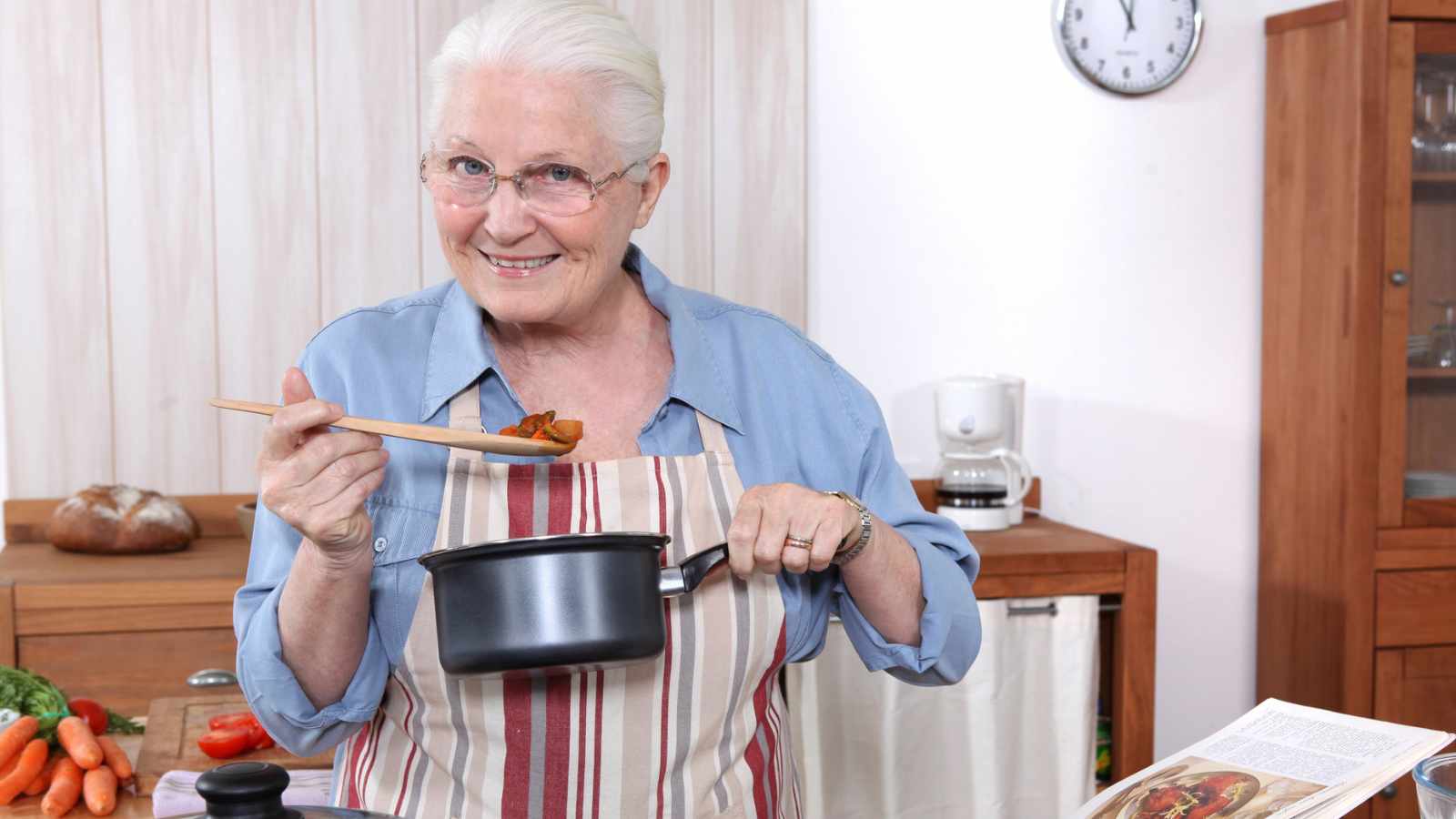
Dining out may be more convenient, but it’s also far more expensive. Boomers understood the importance of home-cooked meals long before meal delivery services and fast food chains became so prevalent. Their kitchen skills were an investment in both their health and their wallet.
Simple, hearty meals like casseroles and homemade soups not only saved money, but they also provided a more nutritious alternative to restaurant food. Cooking at home continues to be a cost-effective choice that offers greater control over the ingredients and portion sizes.
DIY Home Repairs

Boomers weren’t quick to call a plumber or hire a handyman; they preferred to handle home repairs themselves. With a little know-how and the right tools, they fixed leaky faucets, painted rooms, and even built furniture.
This hands-on approach not only saved them money but also provided a sense of accomplishment. With countless online resources available today, there’s never been a better time to adopt the DIY mentality and reduce the cost of home maintenance.
Air-Drying Clothes
Boomers often hung their clothes to dry, either on a clothesline outdoors or a drying rack indoors, instead of relying on energy-hungry dryers.
This simple habit saved money on utility bills and preserved the integrity of their clothing. Today, with increasing energy costs and a growing environmental movement, air-drying clothes is a practical and sustainable alternative.
Buying Quality Over Quantity
Boomers prioritized quality over quantity. Rather than chasing fleeting trends or purchasing cheap, disposable items, they invested in well-made products that would stand the test of time.
Whether it was a pair of durable shoes or a reliable appliance, their purchases were meant to last. While the upfront cost may have been higher, the long-term savings far outweighed the initial investment.
Vacationing Smart

Boomers were experts at finding affordable ways to travel. Instead of splurging on lavish vacations, they enjoyed road trips, camping, and exploring nearby destinations.
When they did travel farther, they looked for off-season deals to keep costs down. In today’s expensive travel landscape, this practical approach to vacationing offers a smart way to enjoy a getaway without breaking the bank.
Food Preservation
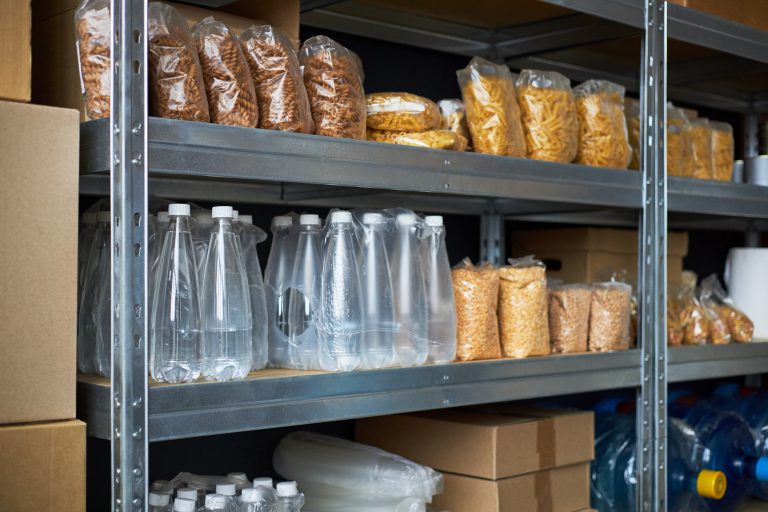
Boomers didn’t waste food. They preserved it. Canning, freezing, and pickling were common practices for keeping seasonal produce from spoiling. This not only saved money on groceries but also ensured that fresh fruits and vegetables were available year-round.
With rising food costs today, these time-honored preservation techniques are making a comeback as people seek more sustainable and affordable ways to feed themselves.
Conclusion
By integrating these practices, anyone can save money, live more sustainably, and build a stronger financial foundation. These time-tested habits are the perfect antidote to a world focused on instant gratification and disposable living.
Whether you’re saving for the future or simply seeking a more mindful way of living, these habits will continue to serve you well in any era.
Read the original article on crafting your home