5 humble items that unlock instant nostalgia for anyone who grew up poor

If you think a 5-pound block of cheese is a standard unit of measurement, we need to talk. We aren’t just reminiscing about food here; we are talking about survival artifacts that shaped our entire personalities. According to Dr. Krystine Batcho, a psychology professor at Le Moyne College, nostalgia isn’t just about missing the past; it serves a vital function by stabilizing our identity during stressful times. That explains why #strugglemeals has millions of views on TikTok right now. Let’s look at the hard stats and funny stories behind the stuff that raised us.
The orange block: government cheese
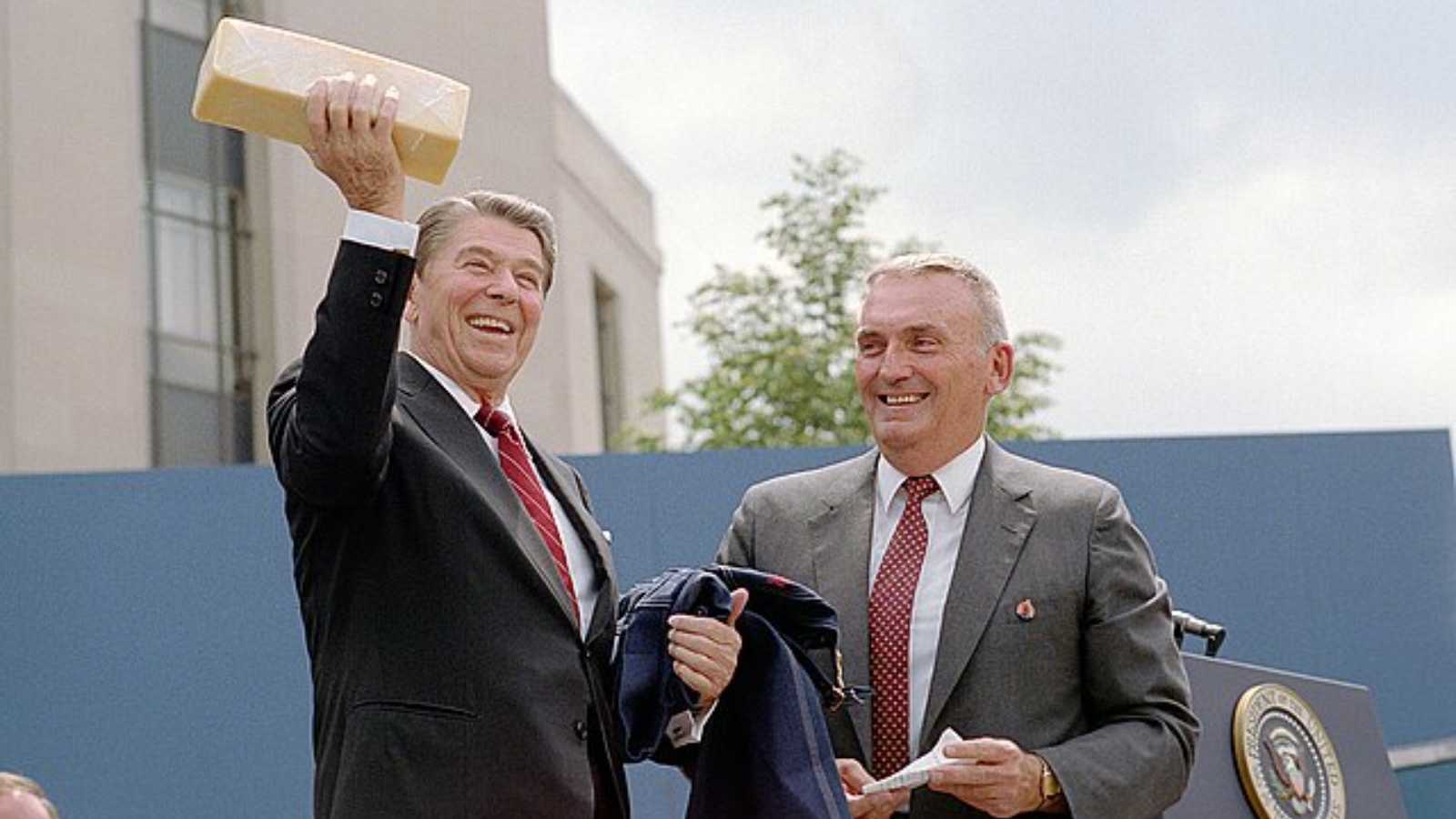
You didn’t slice this stuff; you carved it like a Thanksgiving turkey. Born from a massive dairy surplus in the 1970s, the U.S. government stockpiled over 500 million pounds of this “pasteurized processed cheese food” by 1981. President Reagan created the Temporary Emergency Food Assistance Program (TEFAP) to distribute it, saving it from rotting in Missouri caves.
Unlike regular cheddar, this brick melted into “hot lava” without separating, making it the undisputed king of grilled cheese. It was salty (nearly double the sodium of cheddar), rubbery, and absolutely essential for survival. If you stood in line for the “gubment” cheese, you know the specific struggle of trying to make that block last all month.
The great deception: Royal Dansk cookie tins
We have all been victimized by the blue tin. You spot that Royal Dansk container on grandma’s counter, pop the lid expecting buttery goodness, and find… sewing needles. This “betrayal” is a global phenomenon, with the sturdy tins serving as pest-proof storage in immigrant and working-class households from India to Mexico since 1966.
Why did everyone do this? Frugality and durability. The tin-plated steel was free with purchase and kept moisture out better than any cardboard box could. IMO, finding actual cookies in there now feels wrong, like the universe made a mistake.
The economic barometer: Hamburger Helper
Economists use complex charts to measure the economy, but real ones watch the “Hamburger Helper Index.” General Mills launched this skillet savior in 1971, specifically to help families stretch expensive beef during inflation. Sales actually spiked 14.5% in 2024 as grocery prices soared again, proving that when money gets tight, “Lefty” the glove comes out to play.
The genius was in the marketing; that four-fingered glove made a single pound of meat feed a family of five. Recently, folks have started “gourmet-ifying” the boxed mix with fresh veggies and fancy cheese, reclaiming their childhood dinners as culinary art. It’s not just dinner; it’s a recession-proof hug in a skillet.
Malt-O-Meal: bagging the box
While rich kids had cereal boxes with mazes on the back, we had the giant resealable bags on the bottom shelf. Malt-O-Meal disrupted the cereal aisle by cutting packaging waste by 75% and passing the savings directly to us. In 1995, a bag of “Coco-Roos” cost about $2.29 compared to nearly $4.00 for the name brand.
Blind taste tests consistently show people can’t tell the difference between “Marshmallow Mateys” and the guy with the green hat. The bag didn’t mean you were poor; it meant your mom knew math. Plus, that Ziploc seal kept the crunch alive way longer than a rolled-up box liner ever could.
Powdered milk: the lumpy reality
This one hits different, literally. Carnation, founded in 1899, marketed “contented cows,” but for us, powdered milk was about stretching the budget when the fridge was empty. The trick was mixing it 50/50 with regular milk so the kids wouldn’t notice (spoiler alert: we always knew).
The sensory memory of “drinking the lumps” because the water wasn’t warm enough is a shared trauma for many. Back in 1990, powdered milk cost roughly half as much as fresh milk, making it a non-negotiable staple for low-income pantries. Ever wondered why you have strong bones? It was probably the “chalk water.”
Key Takeaway
These items aren’t just clutter in our memory banks; they are badges of honor. Nostalgia functions as a “mental time machine,” allowing us to retrieve the feelings of security and love we had even when resources were scarce. Whether you are eating “gourmet” Hamburger Helper or sewing a button from a cookie tin, you are keeping that spirit of survival alive. Go ahead and buy the name-brand now if you want; you earned it.
Read the Original Article on Crafting Your Home