


This article was originally published on Crafting Your Home. A human contributor also wrote and edited the post.
Staying active after 60 does not necessarily mean joining a gym or buying expensive exercise equipment. In fact, many useful exercises you can do at home require little more than a sturdy chair, a wall, and enough space to move safely. Regular physical activity can help older adults maintain strength, mobility, balance and independence as they age.
For adults 65 and older, the CDC recommends a combination of aerobic activity, muscle-strengthening exercises and activities that improve balance. Its general guidelines call for at least 150 minutes of moderate-intensity aerobic activity each week, muscle-strengthening activities at least two days a week, and regular balance-focused activities. The right amount, however, can vary depending on a person’s health and physical abilities.
Chair Squats
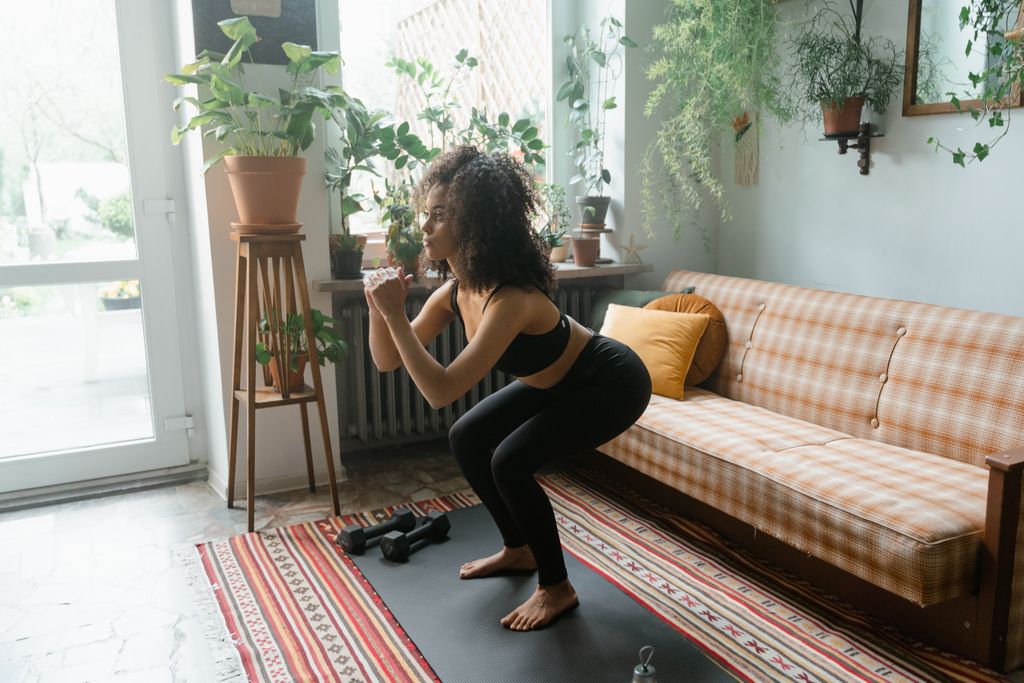
Chair squats are one of the simplest ways to strengthen the muscles involved in everyday movements. We sit down and stand up constantly, making this exercise especially practical for older adults. Chair squats primarily work the muscles in your legs and hips while also requiring control and stability.
To perform one, stand in front of a sturdy chair with your feet approximately hip-width apart. Slowly bend your knees and lower your hips toward the chair as though you are about to sit down. Lightly touch the chair, then push through your feet to stand up. If you need additional support, keep the chair against a wall or have a stable surface nearby.
You don’t need to do many repetitions at first. Start with a comfortable number and gradually increase the amount as your strength improves.
Wall Push-Ups
Traditional push-ups can be challenging, especially if you haven’t exercised regularly. Wall push-ups offer a gentler alternative while still working the chest, shoulders, and arms.
Begin by standing facing a wall with your hands placed around shoulder height. Take a small step backward while keeping your body relatively straight. Slowly bend your elbows and lean your upper body toward the wall, then push through your hands to return to your starting position.
Move slowly and with control rather than rushing. As it becomes easier, you can gradually increase the number of repetitions. Body-weight exercises like this can support the muscle-strengthening component of an older adult’s weekly activity.
Heel-to-Toe Walking
Strength matters as we age, but balance deserves attention too. Heel-to-toe walking is a simple balance exercise you can do at home when you have enough clear space and a sturdy surface nearby for support.
Stand near a countertop, wall, or another stable support. Place one foot directly in front of the other so that the heel of the front foot is close to the toes of the back foot. Then take slow, deliberate steps forward while maintaining your balance.
The CDC lists heel-to-toe walking as a balance activity for older adults. Because balance exercises can be challenging, safety should come first. If you feel unsteady, keep a stable support within reach rather than attempting the exercise without assistance.
Standing Calf Raises
Standing calf raises are another simple exercise you can do almost anywhere in the home. They target the calf muscles and require you to control your body while standing.
To perform the exercise, stand upright while lightly holding a sturdy chair or countertop. Slowly raise your heels so that you are standing on the balls of your feet. Pause briefly at the top, then lower your heels back toward the floor in a controlled movement.
The goal is not to move as quickly as possible. Slow, controlled repetitions can help you focus on the movement and maintain stability. If standing on your toes feels uncomfortable or unsafe, stop and consider discussing an appropriate alternative with a qualified professional.
Marching in Place

Marching in place can be a convenient way to add more movement to your day, particularly when weather, transportation, or other circumstances make outdoor walking difficult. It can raise your heart rate and provide a simple form of aerobic activity.
Stand in a clear area near a sturdy surface if you need support. Lift one knee, then the other, in a comfortable marching motion, keeping your movements controlled. You can swing your arms naturally if that feels comfortable.
The CDC recommends that adults 65 and older aim for at least 150 minutes of moderate-intensity aerobic activity each week when their health and abilities allow. Marching in place can count toward that total, though regular walking and other aerobic activities can also count.
How to Build a Simple Routine
You don’t have to do these five exercises as one long workout. Someone new to exercise might start with a short session and focus on performing each movement correctly rather than doing many repetitions.
For muscle-strengthening activities, the CDC notes that 8 to 12 repetitions can count as one set, with one set being a reasonable starting point. As strength and confidence improve, some people may progress to additional sets. The important thing is to increase activity gradually rather than trying to make dramatic changes overnight.
It can also help to combine strengthening exercises with regular walking or another form of aerobic activity. This approach addresses several different aspects of physical fitness rather than focusing exclusively on strength.
Other post you might like:
If you like what you just read, then subscribe to our newsletter and follow us on social media


