5 Amazing Things Your Brain Does Without You Realizing It

The human brain is a powerhouse that performs countless vital functions every second, many of which happen without our conscious awareness. From regulating basic bodily processes to interpreting complex sensory information, the brain is constantly working behind the scenes to ensure our survival and well-being.
But what about the things your brain does automatically, without you ever thinking about them? These fascinating tasks might surprise you.
Filtering Out Irrelevant Information

Every moment of the day, you’re bombarded with a vast amount of sensory input, from sounds to sights, to the feel of the air on your skin. Yet, you don’t consciously notice every single detail. Why? Because your brain is working tirelessly to filter out irrelevant or unnecessary information, so you can focus on what truly matters.
This process, called selective attention, allows your brain to prioritize what it considers most important. For example, when you’re watching a movie, you’re usually focused on the plot, not the background noise or the people walking around you. Your brain processes the scene, but it ignores less important information, such as chatter or peripheral movement.
Maintaining Your Balance
Walking, running, or even standing still requires constant attention to balance. Fortunately, you don’t have to consciously think about it every time you take a step. The brain takes care of the task without you having to give it a second thought.
Your brain relies on multiple systems to maintain balance: your eyes, muscles, joints, and the vestibular system located in your inner ear. These systems work together to give your brain feedback about your body’s position in space.
Regulating Your Body’s Temperature
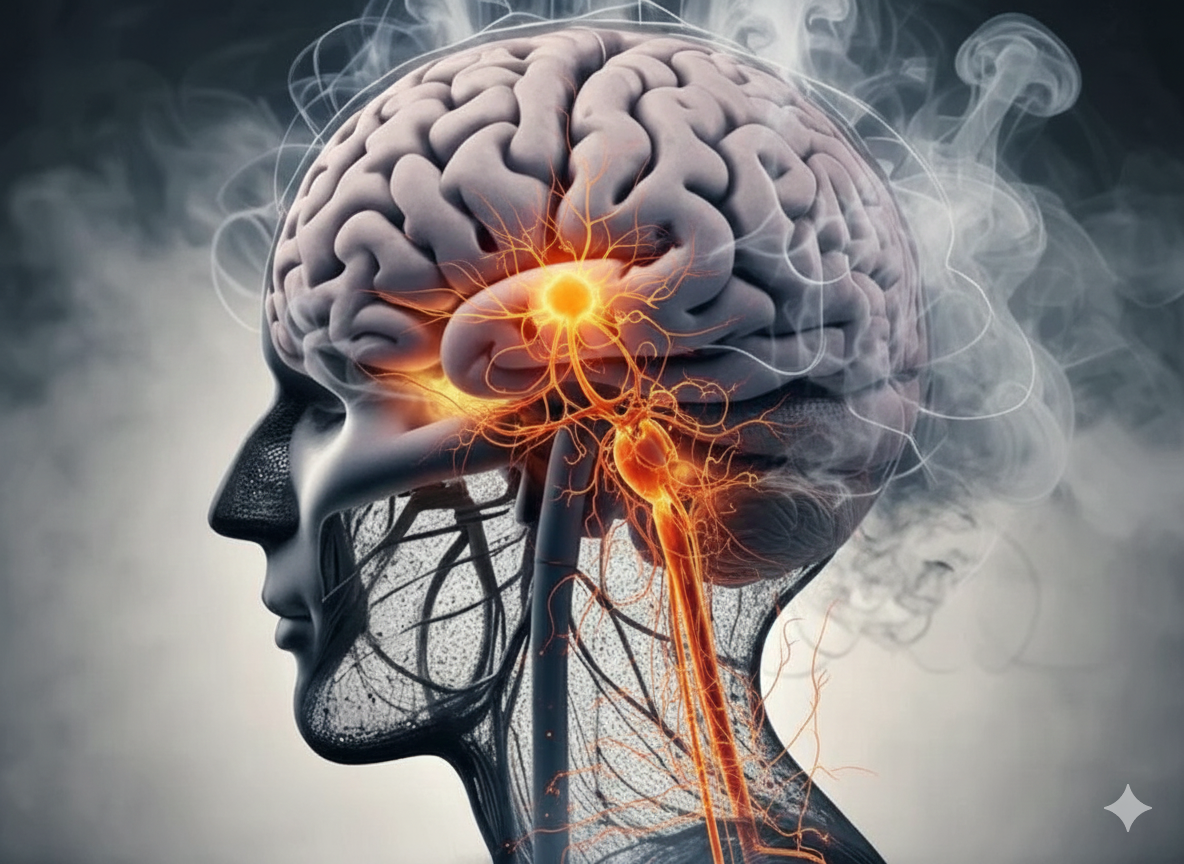
Your body’s temperature must stay within a narrow range to function properly. Too hot or too cold, and your organs start to struggle. Luckily, your brain is constantly monitoring your internal and external environments to maintain this delicate balance.
The hypothalamus, a small but vital part of the brain, regulates body temperature. It receives signals from sensory receptors in your skin that detect environmental temperature, as well as from internal receptors that monitor the temperature of your blood.
Managing Your Memory (and Sometimes Creating False Memories)
Many people assume that once they experience an event, the memory is fixed in their brain. However, research has shown that memory is a fluid process that can be altered by external factors. Your brain constantly updates and reshapes memories based on new information, and sometimes, these changes can lead to false memories.
For instance, in a famous experiment by psychologists Elizabeth Loftus and John Palmer, participants were shown a video of a car accident and then asked about the speed of the vehicles. Those who were asked to use the word “smashed” to describe the collision reported seeing broken glass, even though there was none.
This experiment demonstrated how your brain can modify memories based on the way questions are framed or the information you’re given afterward.
Laughing Without Thinking About It

Laughter is often considered a social tool, something we do when we find something amusing, to bond with others, or even as a nervous response in stressful situations. But what if we told you that laughter is also automatic, driven by your brain?
The brain’s reward system, which includes the release of dopamine and other “feel-good” chemicals, is activated when we laugh. The impulse to laugh can arise from external stimuli, like hearing a funny joke, but it can also occur when we’re under stress, nervous, or even in awkward situations. The brain processes these emotions and, without us thinking about it, triggers a reflexive laugh.
Conclusion
The brain is constantly performing extraordinary tasks without our conscious awareness. From filtering out irrelevant information to regulating body temperature and even altering our memories, the brain’s ability to function seamlessly is nothing short of impressive. Understanding the role these automatic processes play in our daily lives deepens our appreciation for the incredible complexity of the human brain.
Though many of these functions happen without us thinking about them, they are vital to our survival, well-being, and ability to navigate the world. By recognizing the brain’s silent work, we can begin to understand just how much it shapes our experience without us even realizing it. Next time you walk across the room or laugh at something unexpected, remember: your brain is hard at work, making it all happen without you lifting a finger.
Read the original article on Crafting Your Home