4 Ways Your “Food Storage Routine” Is Slowly Emptying Your Wallet
You think you’ve got the whole food storage thing down. You know where to keep your eggs, when to toss out leftovers, and how to refrigerate fresh produce. But if you’re like most people, you’re probably making a few costly mistakes.
The truth? You’re likely throwing away more money than you realize, and it might not even be your fault.
In fact, most people are guilty of a few sneaky food storage habits that slowly pile up, leading to expired groceries, spoiled produce, and wasted leftovers. But don’t worry, we’re going to fix that right here.
Food storage isn’t just about convenience; it’s a money-saving strategy that most people overlook. In fact, poor food storage practices are responsible for a shocking amount of food waste.
If you want to prevent your groceries from going bad prematurely and save money (and time), this ultimate guide to food storage is for you. Let’s dive into how you can finally master food storage and avoid the costly traps most people fall into.
The 4 Common Mistakes Wrecking Your Food Storage Routine
You might not think twice about the way you store your groceries. After all, if something looks fine, it must be fine, right? Wrong. A few key mistakes are quietly sabotaging your efforts to keep food fresh, and they all add up.
Ignoring Temperature Control
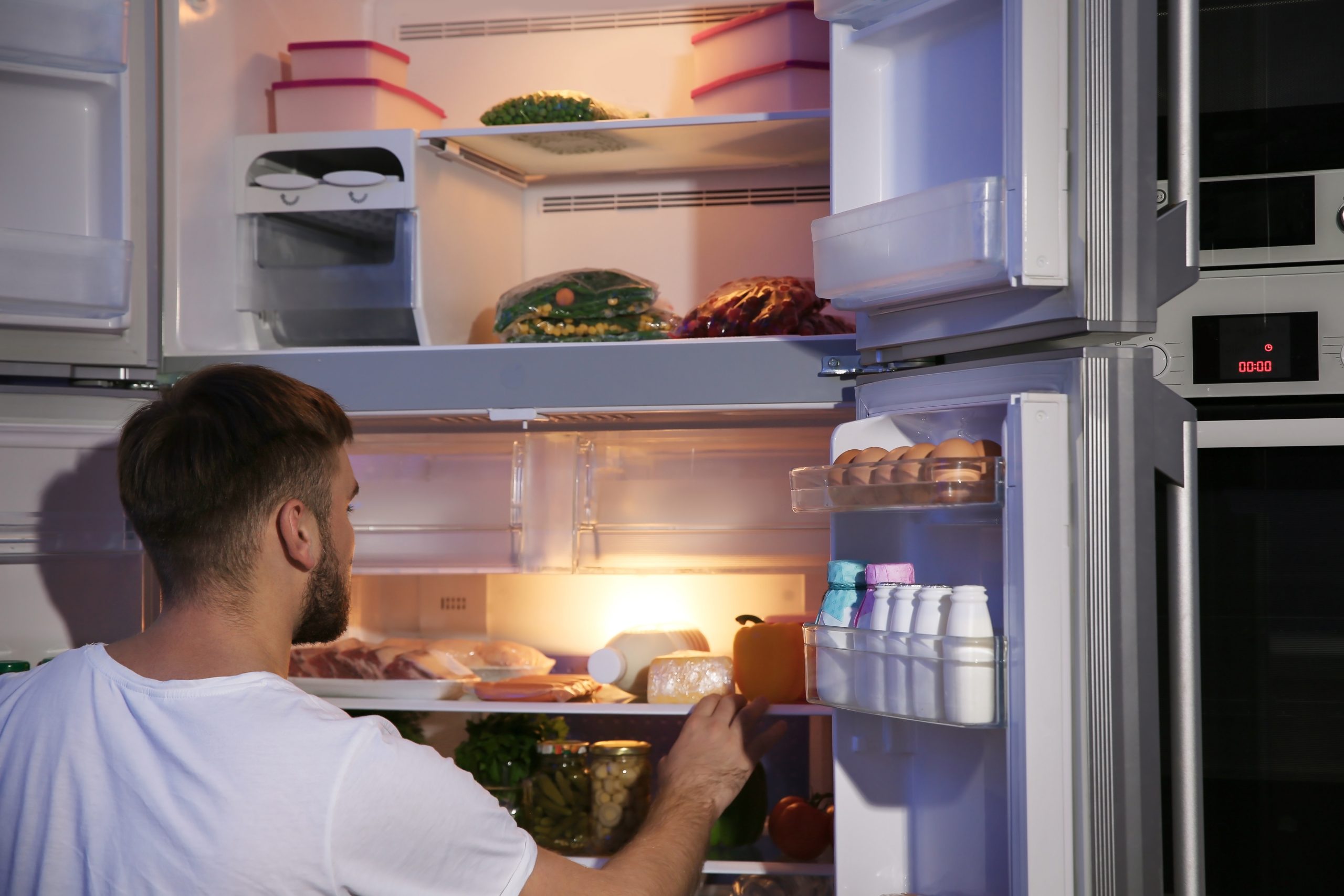
This one is a biggie. It’s easy to think that as long as you stick your food in the fridge, it’ll stay safe and fresh.
But did you know that most refrigerators aren’t as cold as they should be? If your fridge isn’t consistently running at 40°F or lower, your food isn’t being stored at optimal safety.
This tiny difference can cause a massive increase in bacteria growth, making your food spoil faster. Even a slight temperature change can turn your fridge into a breeding ground for foodborne illnesses.
Not Understanding Produce Storage
Here’s a fun fact: not all fruits and veggies are meant to be kept in the fridge. Sure, tomatoes and cucumbers might look fresh after a few days in the fridge, but the truth is, they’re likely losing flavor and texture.
Some fruits produce a gas called ethylene, which speeds up ripening. That means if you store your avocados next to your apples, you’re accelerating their inevitable demise. Organizing your produce based on temperature and airflow can drastically extend its shelf life. If you’re still treating your fruits and veggies as a one-size-fits-all category, it’s time to rethink your strategy.
Overestimating How Long Food Lasts
Many of us hold onto food well past its prime. While some food labels give “sell by” or “use by” dates, the reality is that food can spoil much sooner than expected if it’s not stored correctly.
For instance, while you might think those leftovers are good for a week, most meals only last about 3 to 4 days in the fridge before they go bad. The same goes for meats, dairy, and even eggs.
Your sense of smell isn’t a reliable way to tell whether food has gone bad, either, as harmful bacteria can grow before you can even detect a foul odor. Sticking to strict timelines based on proper storage is crucial for safety and waste reduction.
Treating the Freezer Like a Magic Preservation Box
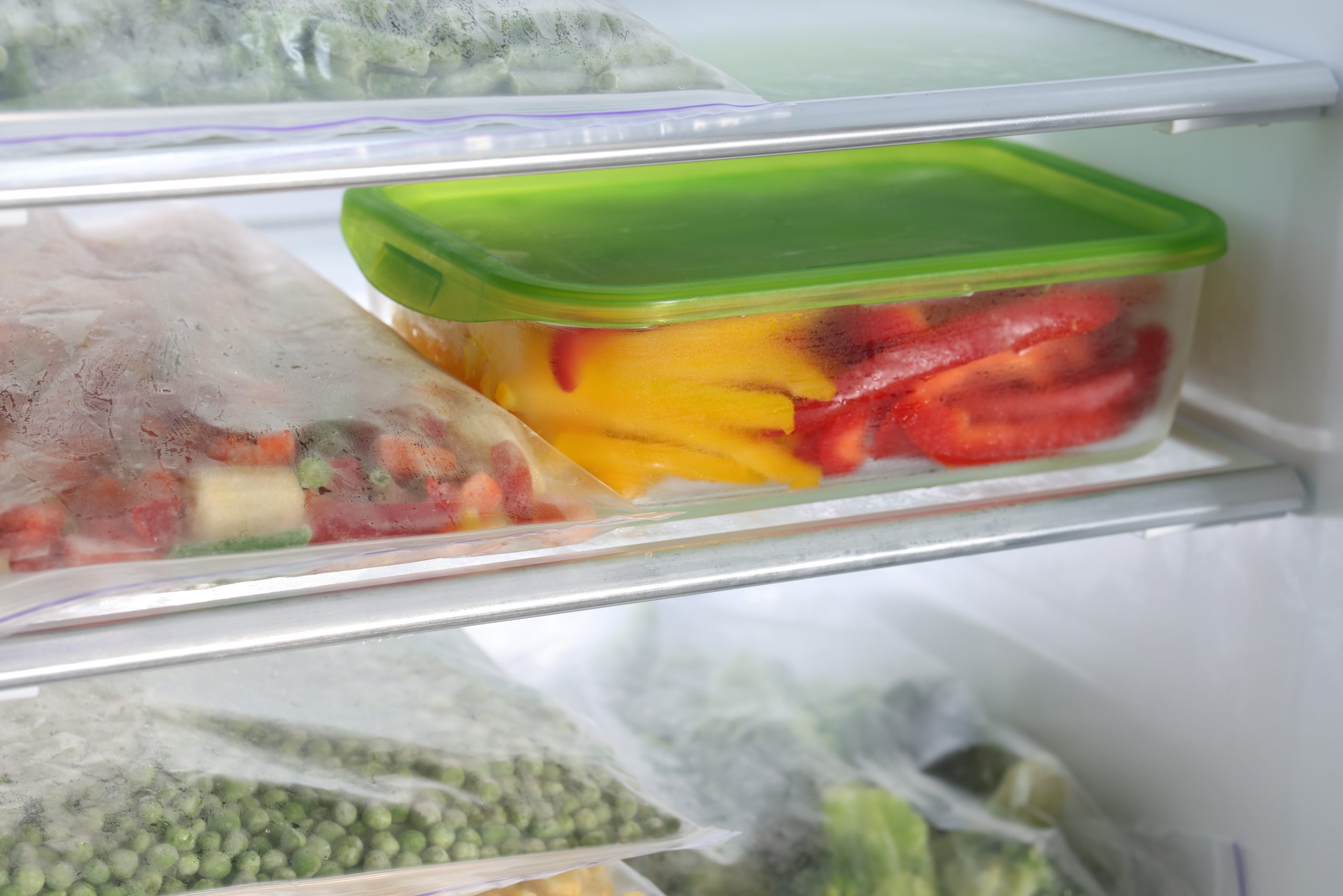
We’ve all heard the saying, “Just throw it in the freezer, it’ll be fine!” Unfortunately, it’s not that simple. Sure, freezing food can preserve it, but freezer burn is a real problem.
When food is improperly sealed or stored for too long, it loses texture, flavor, and moisture. Even if food is technically safe to eat, it might be unappetizing or dry.
Freezing is not a cure-all, it needs to be done right. Using proper airtight packaging and knowing when to freeze versus refrigerate is the key to avoiding freezer pitfalls.
How to Store Your Food Like a Pro
Now that you’re aware of some of the most common mistakes, let’s explore how to fix them. Here’s your foolproof guide to keeping food fresh longer and reducing food waste.
Organize Your Fridge for Maximum Efficiency
The first step to better food storage is a little organization. It might seem trivial, but your fridge’s layout actually plays a huge role in food preservation.
Raw meats and seafood should be stored at the bottom to prevent juices from contaminating other foods.
Dairy, condiments, and ready-to-eat items should be placed on the upper shelves where the temperature is more consistent. Vegetables? They should go in the crisper drawers, which are designed to keep them cool and moist without drying out.
Temperature Check
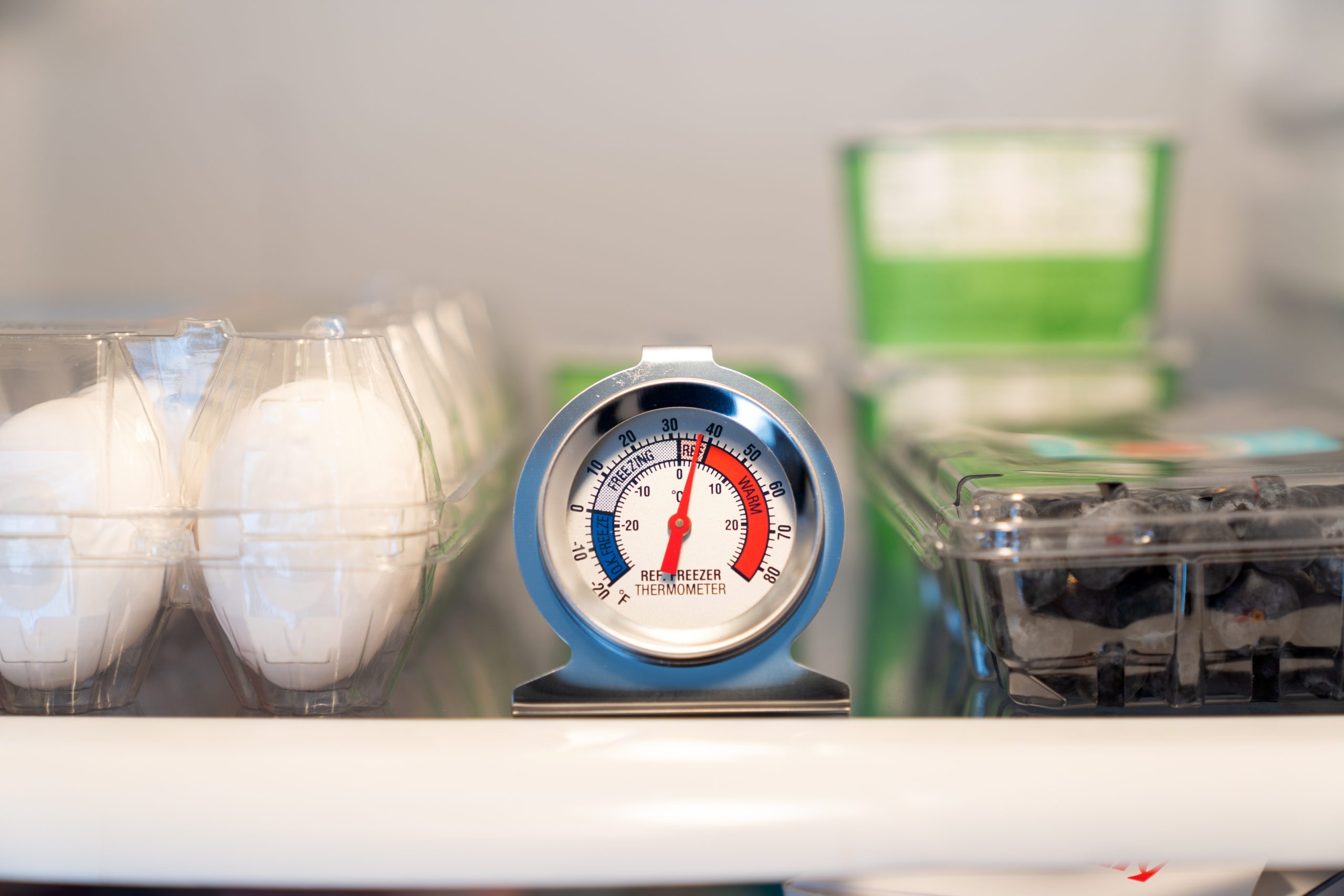
Invest in a refrigerator thermometer. It’s an easy, cost-effective tool that can save you significant frustration. As mentioned earlier, your fridge should be at 40°F, and your freezer should sit at 0°F.
A thermometer ensures that your appliances are operating at peak performance. If your fridge is on the warmer side, bacteria could grow faster than you expect, making your food spoil prematurely. Likewise, a freezer that fluctuates too much will affect the texture and quality of your frozen goods.
Produce
Different fruits and vegetables require different storage techniques. For example, bananas, apples, and avocados release ethylene gas, which can speed up the ripening of other produce around them.
So, keep your bananas and apples in a separate basket, away from delicate greens like lettuce and spinach.
On the flip side, potatoes, onions, and garlic should be stored in a cool, dark place — not the fridge.
Here’s a helpful tip: Keep your berries in a container lined with paper towels to absorb moisture. If you’re storing leafy greens, use a breathable bag to keep them crisp. For fruit that’s not quite ripe, leave it out on the counter at room temperature until it’s ready to go.
Properly Label Leftovers and Plan Ahead
A key component to better food storage? Labeling. It’s not glamorous, but it works. Write the date on leftovers, frozen foods, and prepared meals. This helps you avoid the dreaded mystery leftovers that lurk at the back of your fridge.
Stick to the 3-4 day rule for refrigerated leftovers, and don’t let them linger in your fridge longer than necessary. If you can’t eat them in time, freeze them.
Freezing
When it comes to the freezer, it’s important to freeze food at its peak freshness. Don’t just toss that leftover chicken or loaf of bread into a bag and hope for the best.
Invest in airtight containers or freezer bags to prevent freezer burn. For fruits and vegetables, blanching them before freezing can preserve flavor and texture.
Don’t forget to portion your frozen goods into meal-sized servings; this makes thawing quicker and more efficient.
How to Reduce Food Waste Without Stress
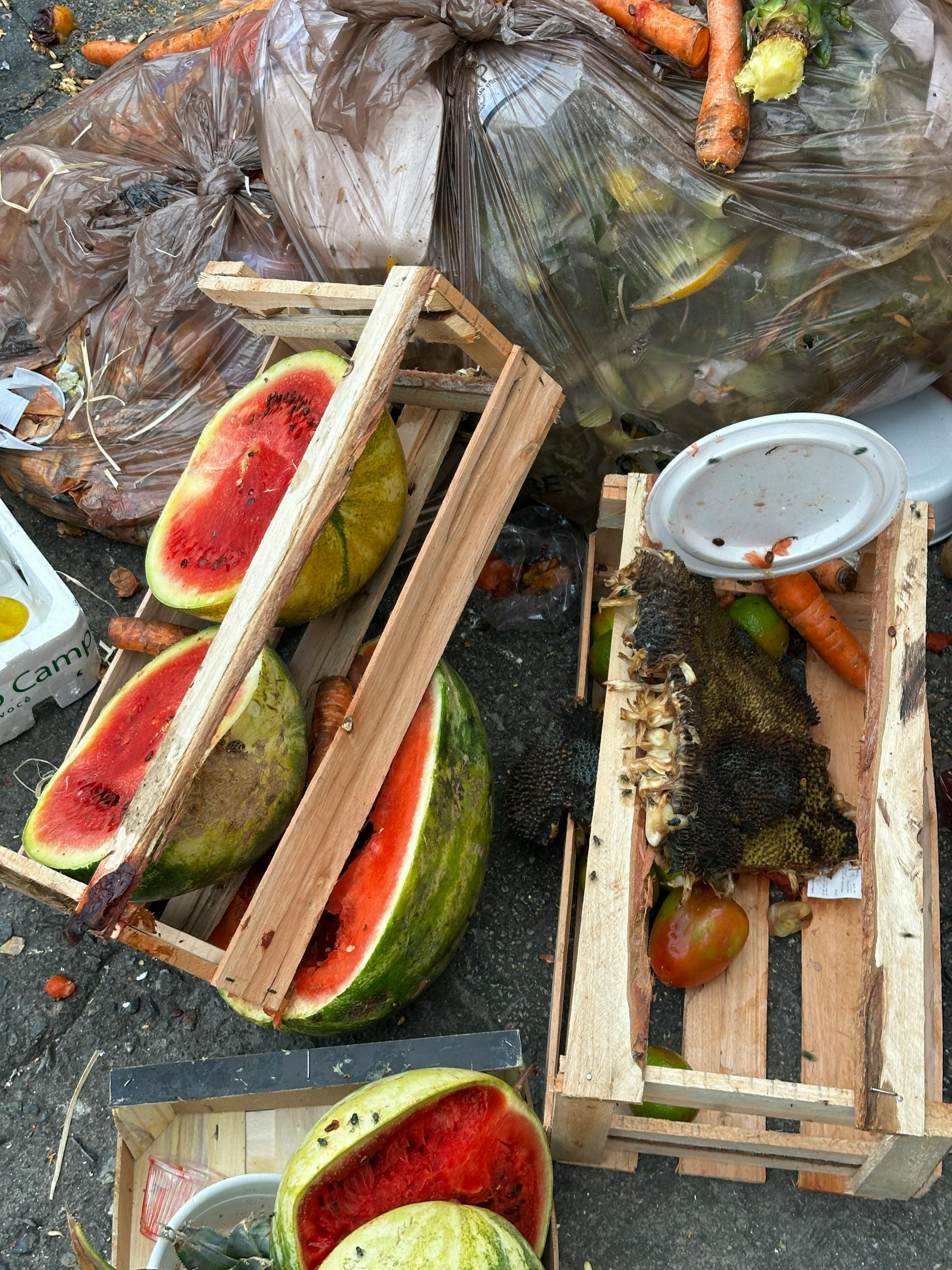
Storing food properly is only one part of the equation. You also need to be strategic about what you buy. Here’s how to stop food waste before it even starts:
Don’t Buy What You Won’t Use: If you tend to over-purchase, start small. Stick to your shopping list and only buy what you can reasonably consume within the week.
Use Your Freezer Wisely: Freeze leftovers, overripe fruit, or bread before they go to waste. It’s a great way to save money and time.
Repurpose Ingredients: If you have leftover vegetables, think soups, stews, and stir-fries. Don’t let those extras sit idle in the fridge.
Conclusion
Proper food storage goes beyond just keeping your fridge neat. It’s about learning to respect the food you’ve bought, and the money you’ve spent.
When you take a few minutes to organize your kitchen, check temperatures, and keep track of your leftovers, you’ll see real savings. And more importantly, you’ll be eating healthier and reducing waste.
Start small. Make one change to your storage habits each week. You’ll be amazed at how quickly it adds up — in both your wallet and your peace of mind.