4 things you must keep when a loved one passes away

You are standing in front of a mountain of stuff, and statistically speaking, you’re about to throw away the wrong things. We are currently living through the “Great Wealth Transfer,” where Baby Boomers are handing down an estimated $84 trillion to younger generations.
We are drowning in “brown furniture” nobody has room for, yet in the panic of clearing a house, we often toss the tiny, weird items that actually matter. Experts call this “decision regret,” and it hits 70% of bereaved families who later wish they hadn’t been so ruthless with the trash bags. So, grab a coffee (and maybe a tissue), and let’s figure out what is actually worth saving.
Keep the handwritten notes (even the grocery lists)
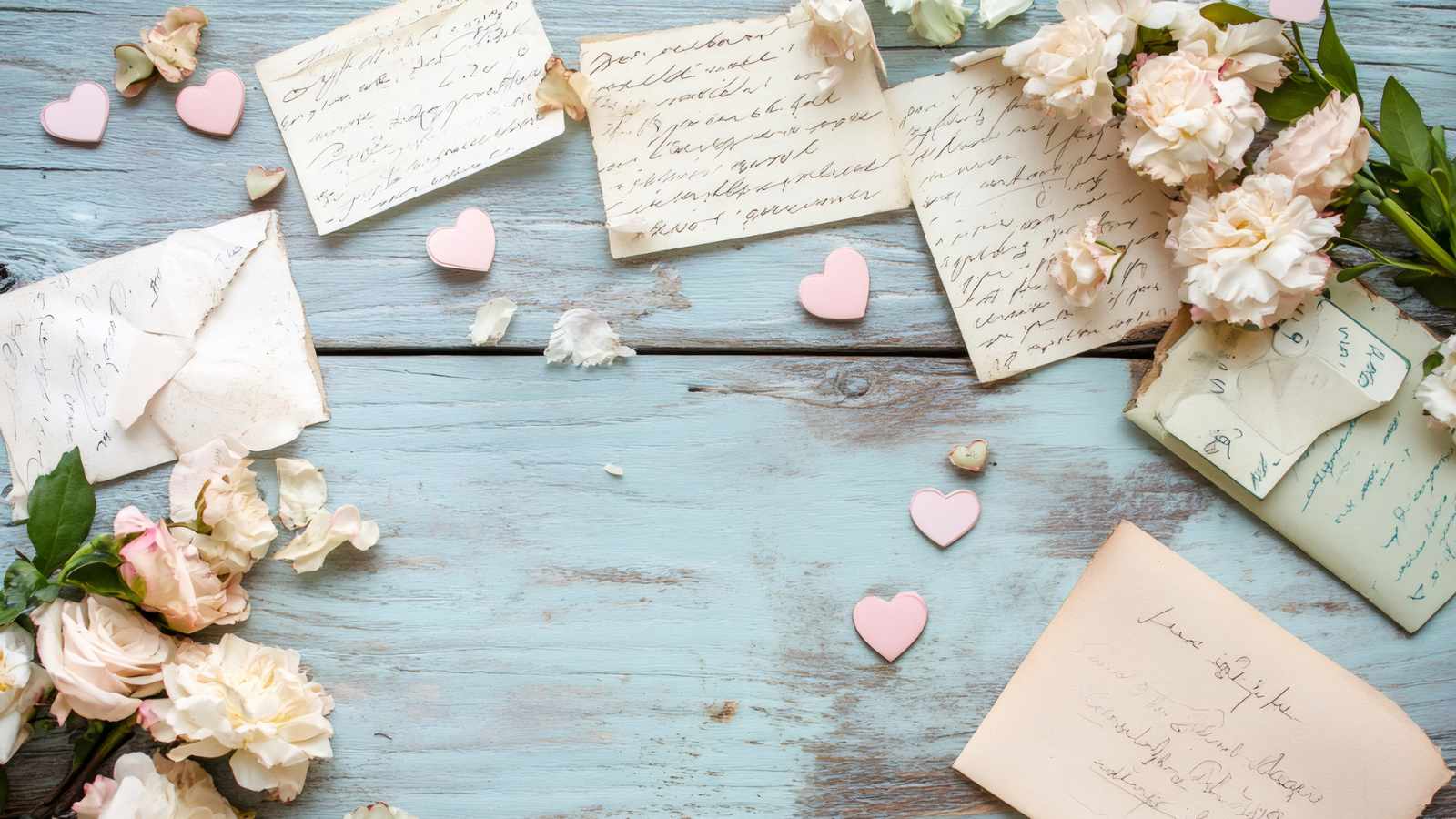
Ever tried to hug a text message? It doesn’t work. In our digital age, handwriting is one of the few biological “traces” left of a person. Unlike a standardized font, handwriting is a direct product of your loved one’s physical body, a “frozen gesture” that lights up the brain’s recognition centers. Neurobiological research suggests that seeing a loved one’s script activates deep autobiographical memories that a typed email cannot.
Don’t just keep the formal letters; keep the scraps. I once almost threw away a sticky note with a scribbled pie recipe, and now it’s my most prized possession. Handwriting is a one-of-a-kind artifact. Scan these immediately to create a digital backup, but keep the originals in a safe, dry place. IMO, a “crumpled up sticky note” beats a Hallmark card any day because it captures them in their natural, unposed element.
Seal the unwashed fabrics immediately
Okay, this might sound a little creepy, but science backs me up here. 75% of women and 66% of men admit to sleeping with or snuggling a loved one’s clothing to feel closer to them. Scent is the only sense that bypasses the brain’s logic centers and goes straight to the amygdala and hippocampus, which control emotion and memory. It is a powerful, visceral “hit” of presence that photos just can’t replicate.
Here is the problem: scent is volatile and fades quickly (it’s a total time famine situation). Do not wash their favorite pillowcase or flannel shirt. Instead, grab a Ziploc bag or a vacuum-seal bag and lock that scent in ASAP. Grief experts note that the “unlaundered shirt” is a nearly universal tool for grounding yourself during those first chaotic months. You can always wash it later, but you can’t put the smell back in.
Secure the digital master key
We need to have a serious talk about your loved one’s digital ghost. The average person now manages around 168 passwords, a number that has jumped nearly 70% in just a few years. If you don’t secure their master password or device passcode, you aren’t just losing access to their Netflix; you’re risking the loss of thousands of photos and videos stored in the cloud.
- The Crypto Risk: Without the private key, crypto assets are mathematically unrecoverable. It’s estimated that 90% of crypto holders risk accidentally disinheriting their families because no one knows their passcodes, according to Carolina Estate Planning.
- The Legacy Contact: Check if they set up a “Legacy Contact” on Apple or Facebook. If not, you might need a court order just to see their vacation photos.
FYI: The most valuable inheritance in 2026 isn’t the china; it’s the password manager master key.
The mundane coffee mug over the mahogany dining set
Let’s be real for a second: you do not want the giant mahogany dining table. The market for heavy, dark antique furniture (dubbed the “Brown Furniture Crisis”) has crashed because nobody in my generation has the space or the patience to polish it. Instead of guilt-tripping yourself into keeping a 300-pound cabinet, focus on the “Mundane Totems”, the chipped mug they used every morning or their reading glasses.
These small, everyday items are “emotional anchors.” They represent the daily routine you actually miss, not the formalized version presented at holidays.
- Space Savers: They fit in a shoebox, not a storage unit.
- High Sentiment: They trigger memories of shared life, not just shared wealth.
- Low Guilt: You can keep the mug and donate the dining set without feeling like you’re erasing their legacy.
Key Takeaway
When the dust settles, the things that matter aren’t the things that cost the most money. Value the trace over the trophy. Keep the jagged handwriting, the unwashed shirt, the digital keys, and that ugly coffee mug. These are the anchors that will help you navigate the waves of grief long after the estate is settled. Now, go find that sticky note before it ends up in the recycling!
Read the Original Article on CraftingYourHome.