4 Junk Foods We Can’t Resist, Despite Knowing They’re Bad for Our Health

Data from USA Today shows an analysis of 281 studies across 36 countries: about 14% of adults and 12% of kids show addiction‑like symptoms to ultra‑processed foods, especially chips, ice cream, pizza, and sugary snacks.
Some foods taste so good that we ignore every warning label and nutrition article telling us to stay away. Even when we know they’re high in sugar, sodium, or artificial additives, cravings tend to win the battle. These comfort staples stick around because they’re engineered to hit the brain’s reward system fast.
What makes them so hard to quit is how quickly they give us pleasure compared to healthier alternatives. Many are packed with fats and sugars that create the same dopamine response seen with other addictive behaviors. Here are four junk foods that America keeps eating, even with the health risks right on the label.
Potato Chips
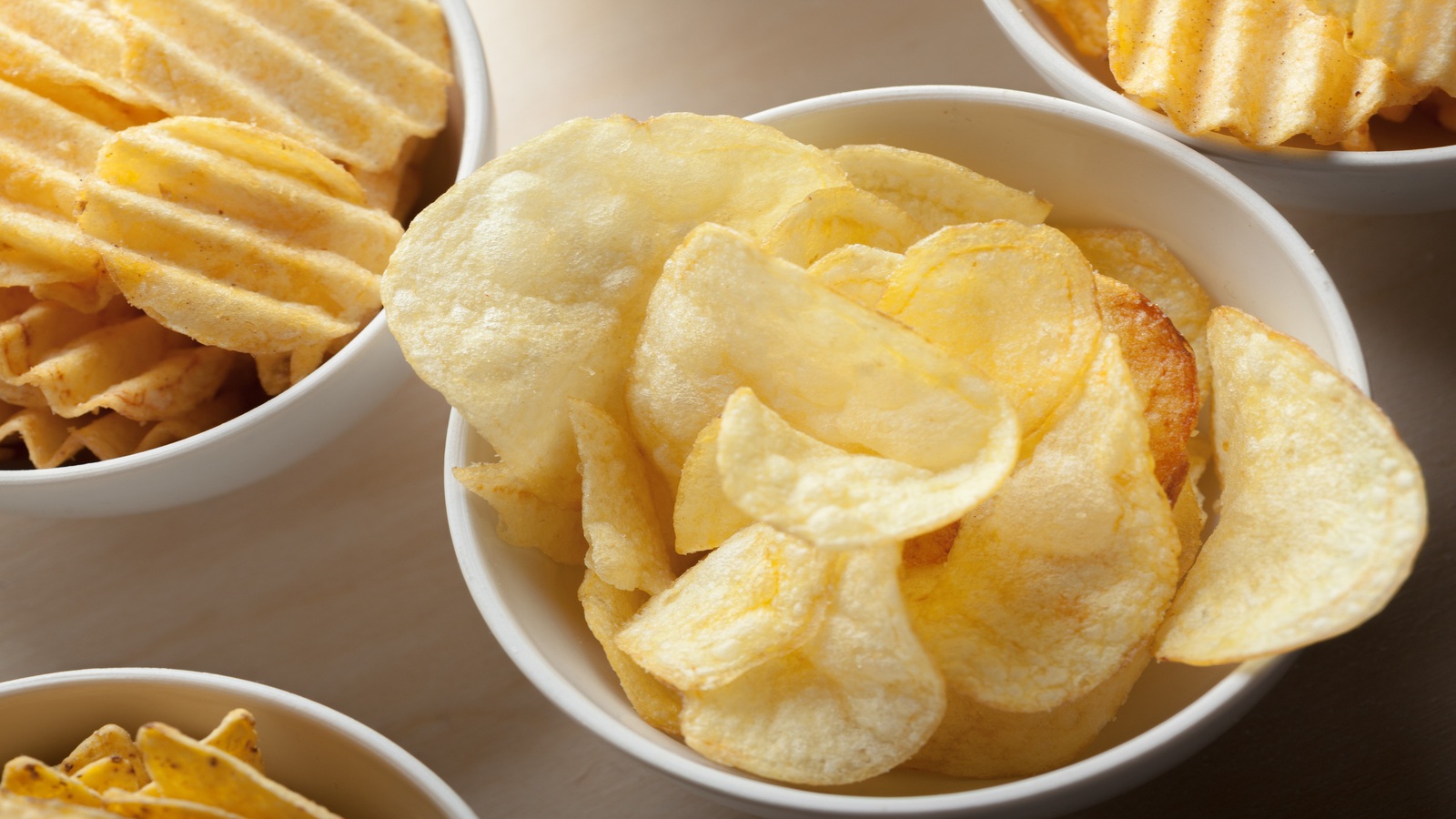
Data from America Huge Potato Chips Consumption Potential shows Americans eat about six and a half pounds of potato chips per person every year, making chips the country’s favorite salty snack with annual sales exceeding $6 billion.
A single serving can contain nearly 10% of your daily sodium intake, which adds up fast for frequent snackers. Many brands also contain additives that enhance flavor and shelf life. Even with the risks, chips remain among the most purchased snack foods in U.S. grocery stores.
Sugary Breakfast Cereals
Many popular breakfast cereals really do rival candy bars: some kid favorites pack 12 to 18 grams of sugar per cup, and one widely sold brand clocks in at 21 grams of added sugar in a single serving—nearly half an adult’s daily limit.
Millions of households rely on cereal because it’s fast and convenient, especially during busy mornings. The problem is that the quick energy rush often leads to a crash within hours. Even with healthier options available, sugary cereals remain a $10 billion industry in the U.S.
Fast-Food Burgers
Americans eat an estimated 50 billion burgers a year, averaging about 3 per person per week. Roughly one‑third of U.S. adults eat fast food on any given day, so that salty‑meat, melted‑cheese, soft‑bun combo is never far out of reach.
Many of these burgers contain well over 800 calories and high levels of saturated fat. Add fries and a soda, and the meal can easily top 1,200 calories in one sitting. Still, the speed and price keep millions coming back for more.
Ice Cream

Americans eat roughly 20 pounds of ice cream per person each year, or about four gallons, keeping it among the country’s favorite comfort foods. That sugar‑and‑fat combo delivers a strong hit of sweetness and creaminess, making it very easy to overdo.
One cup can have over 250 calories and as much sugar as two chocolate bars. The creamy texture makes portion control difficult, especially with flavors that feel impossible to put down. Knowing all this rarely stops us from grabbing the spoon anyway.
Key Takeaway

These foods don’t just taste good—they’re designed to be irresistible. Understanding how they affect cravings and health can help us build better habits, even if we still enjoy them once in a while. Awareness is the first step toward eating them on our terms, not theirs.
Read the Original Article On Crafting Your Home.