

The post 11 Things Baristas Say Customers Do That Drive Them Crazy first appeared on Crafting Your Home.
Nearly 195 million American adults drink coffee every week, according to the National Coffee Association’s Spring 2026 report, and 66% had a cup in the past day.
A big share of those cups changes hands across a counter where one person works at speed while ten more wait. The habits below keep surfacing when baristas and the researchers who study service work describe what wears people down. Some will sting. A couple are not the customer’s fault at all.
Taking a phone call at the register turns the barista into scenery
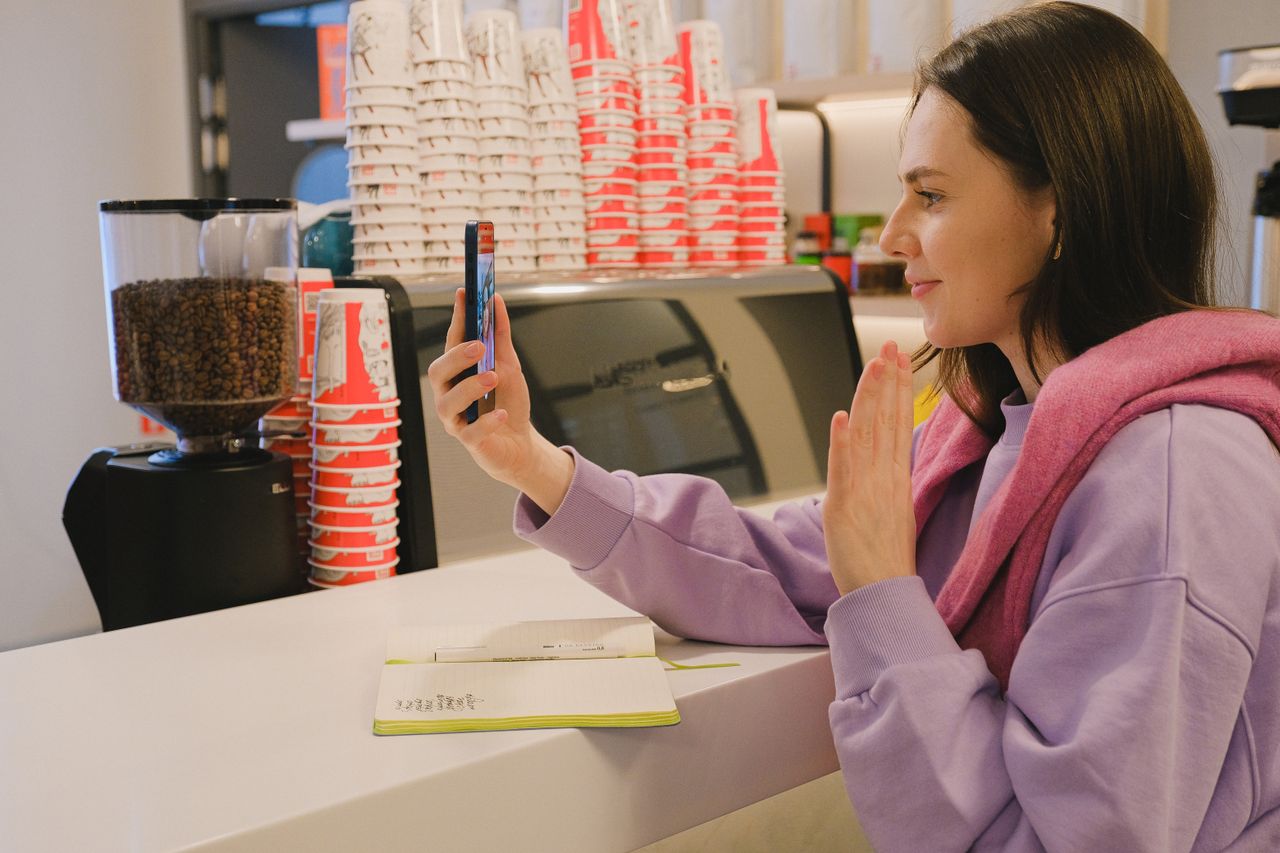
A survey of 2,940 frontline employees in Swedish retail stores found that being ignored for a screen is common and that many workers react badly to it. Researchers Markus Fellesson and Nicklas Salomonson, writing out of Karlstad University, call the habit phubbing.
Politeness carried a price: the most service-minded workers were the most forgiving of it and the least likely to interrupt, and the researchers pointed to earlier work tying that kind of forgiveness to burnout. The friendliest person behind your counter may be absorbing the most.
Ordering from another chain’s menu at an independent shop
Four years behind the counter in Chicago have given a barista named Catherine, who asked HuffPost contributor Julie Kendrick to withhold her real name, a standing list of customers who step up and request a venti caramel macchiato with extra whip.
She skips the retort and describes what her shop actually makes: a traditional macchiato with two shots of espresso and a bit of foam. Plenty of customers snap out of it and finally read the menu. The line behind them is relieved.
Related Post: The World’s Coffee-Loving Countries: Ten Places Where Coffee Runs the Show
Treating the person behind the counter as temporary help
“Some customers will walk right past you like you’re invisible,” Everyman Coffee owner Sam Penix told Today. Baristas interviewed for the same feature objected to a second assumption, that the job belongs to college kids passing through.
Many describe it as a profession and take pride in serving their neighborhood. Eye contact costs nothing, and skipping it tells the person making your drink exactly where you rank them.
Piling modifiers onto an already complicated drink
Cold drinks now make up nearly three-quarters of beverage sales at Starbucks, then-CEO Kevin Johnson told investors, according to Restaurant Business.
Customers keep layering on cold foam or an extra espresso shot. One custom build is easy to forgive.
Multiply it across a morning rush and it becomes the reason the next person in line waits.
Firing off app orders, then crowding the pickup counter
Mobile orders account for more than 30% of Starbucks’ U.S. transactions, CEO Brian Niccol told CNBC, and he singled out the app’s customization options as really wide and unnecessary, per NBC News.
He added that baristas take longer on unfamiliar drinks. Customers get the eye-rolls, yet the menu of possibilities came from headquarters.
Habits are spreading well beyond one chain: the NCA’s fall survey, reported by Beverage Industry, found a record 40% of past-week out-of-home coffee buyers ordering on an app, while 55% used a drive-thru.
Talking over the person asking about your milk
Interrupt a service worker and the reaction runs hotter than most customers assume. A team led by David Walker at the University of British Columbia’s Okanagan campus analyzed customer service calls.
Co-author Danielle van Jaarsveld said employees reacted far more negatively to being cut off, while mild positive words such as great and fine improved the response.
Phone support is not an espresso bar. Still, few exchanges are shorter or more rushed than a barista asking which milk you want.
Coming back hours later to say the drink was wrong
A seven-year employee of a corporate coffee chain described a repeat customer to the San Antonio Current. She visits the same location twice a night, collects her drink and returns hours later claiming it was made incorrectly.
Company policy, ‘Just say yes’, obliges him to remake it every time. One worker’s account is anecdote rather than data, and a rule that always says yes deserves some of the blame for inviting the pattern.