


The post The World’s Coffee-Loving Countries: Ten Places Where Coffee Runs the Show first appeared on Crafting Your Home.
Coffee is more than a morning rescue drink. In many places, it is a daily ritual, a social event, a business conversation starter, and sometimes even a national personality trait. But when people ask, “Which country drinks the most coffee?” the answer depends on what you mean.
Are we talking about the biggest coffee market overall, or the country where the average person drinks the most? Those are two very different competitions. A huge country can dominate total consumption simply because millions of people enjoy coffee every day, while a smaller country can lead the world in coffee intensity because each person drinks a lot.
The latest comparable global figures from the USDA Foreign Agricultural Service measure coffee consumption in green-coffee equivalent using 60-kilogram bags. These numbers forecast the 2026/27 marketing year, not simple calendar-year totals.
So grab your favorite cup and let’s explore ten countries where coffee culture is especially interesting.
United States , The Coffee Giant
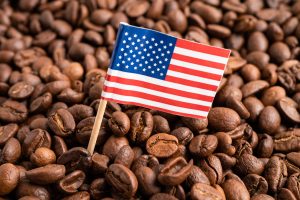
The United States is the world’s largest individual-country coffee market in the USDA’s 2026/27 forecast, with about 26.95 million 60-kilogram bags of domestic consumption, equal to roughly 1.617 million tonnes of green-coffee equivalent.
American coffee culture is wonderfully chaotic. There is no single “American coffee.”
One person may start the day with a home-brewed filter coffee, another with an espresso drink, and another with an iced coffee picked up through a drive-through. Specialty coffee, cold drinks, and café experiences have become major parts of the market.
Brazil , Where Coffee Is Both Crop and Culture
Brazil is not only a coffee-producing powerhouse; it is also one of the biggest coffee-drinking countries. The country ranks second in total consumption, with a forecast of 22.39 million bags, or about 1.343 million tonnes.
The famous Brazilian cafézinho captures the country’s coffee personality: small, strong, often sweetened coffee shared at homes, workplaces, and social gatherings. Brazil’s coffee story is unique because it combines farming, exporting, and a huge domestic coffee habit.
Japan , Tradition Meets Technology
Japan’s coffee culture mixes old and new beautifully. With around 6.9 million bags forecast for 2026/27, Japan remains one of the world’s major coffee markets.
Here, coffee can mean a carefully prepared pour-over in a quiet café, a canned coffee from a vending machine, or a quick convenience-store drink before work. Traditional kissaten coffeehouses sit comfortably alongside modern coffee chains.
China , A Fast-Growing Coffee Market
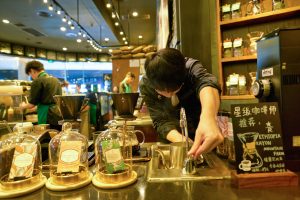
China may be famous globally for tea, but coffee consumption has been rising. USDA forecasts China’s 2026/27 consumption at 6.75 million bags, around 405,000 tonnes. The growth is especially visible in cities, where cafés, delivery apps, espresso drinks, and ready-to-drink coffee have become increasingly common.
China shows how a large population can create a massive coffee market even when average consumption per person remains lower than in traditional coffee countries.
Philippines, The Home of Convenience Coffee
The Philippines ranks among the world’s biggest coffee markets, with a forecast of 6.725 million bags in 2026/27.
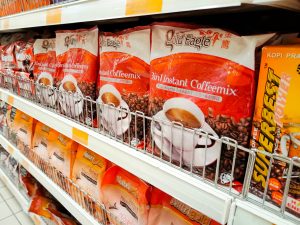
A big part of the country’s coffee identity comes from instant coffee, especially sweetened “3-in-1” mixes.
Coffee is often part of everyday home routines, although café culture is also expanding in cities.
Ethiopia , Coffee’s Cultural Heart
Ethiopia’s relationship with coffee goes far beyond drinking a beverage. The country is forecast to consume about 5 million bags in 2026/27.
Coffee ceremonies are an important social tradition that involves roasting, brewing, serving, and conversation.
Coffee is tied to hospitality and community, making Ethiopia one of the world’s most culturally fascinating coffee countries.
Vietnam , Strong Coffee With a Local Twist
Vietnam’s coffee culture has its own personality. The country’s 2026/27 consumption is forecast at 5 million bags.
Think slow-dripped phin coffee, strong robusta beans, sweetened condensed milk, and the famous iced cà phê sữa đá.
Coffee shops, sidewalk cafés, and social coffee gatherings are all part of daily life.
Canada , Big Coffee Habits in a Smaller Market
Canada consumes less coffee overall than its southern neighbor, but it remains a serious coffee country. USDA forecasts 5.1 million bags for 2026/27. Canadian coffee culture includes classic drip coffee, café drinks, workplace coffee, and the famous sweetened “double-double” style.
Coffee is a companion for cold mornings, road trips, and everyday routines.
United Kingdom , From Instant Coffee to Café Culture
The UK’s coffee scene has changed dramatically. While instant coffee remains important, espresso drinks, flat whites, and café culture have grown. USDA forecasts 4.85 million bags of consumption in 2026/27.
The UK shows how coffee habits can evolve: a country once strongly associated with tea now has a thriving coffee shop culture alongside traditional home drinking.
Finland , The Per-Person Coffee Champion
When it comes to coffee intensity, smaller countries often shine. Finland ranks among the highest in reported per-capita coffee consumption, with a 2024 ICO-derived figure of about 12 kilograms per person per year.
Finnish coffee culture centers on simple pleasures: light-roast filter coffee, workplace coffee breaks, visits with friends, and coffee served with pastries. Finland proves a country doesn’t need the biggest population to have one of the strongest coffee identities.
Coffee Has Many Winners
There is no single answer to “the world’s biggest coffee country.” The United States wins on total volume, while Finland and other Nordic countries stand out for coffee consumed per person. Brazil combines production and consumption, Ethiopia celebrates coffee tradition, and countries like China and Vietnam show how quickly coffee habits can grow.
Whether it comes from a tiny espresso cup, a giant iced drink, a family ceremony, or a quiet morning mug, coffee reflects something bigger: how people around the world create moments to pause, connect, and enjoy the day.
Other posts you might like
- health-benefits-of-coffee-5-ways-your-daily-cup-may-do-more-than-boost-energy
- how-to-clean-a-keurig-coffee-maker
If you like what you just read, then subscribe to our newsletter and follow us on social media.


