

The post 11 of the World’s Freakiest Places That Look Almost Unreal first appeared on Crafting Your Home.
Some places look so strange that a photograph can make you wonder whether they are real. From islands covered in venomous snakes to underground chambers decorated with human bones, some destinations seem to have come straight out of a horror movie.
Yet many of these places have fascinating explanations rooted in nature, history, or local traditions. Some are dangerous, others are
deeply meaningful to the communities connected to them, and a few are unsettling to look at.
If you enjoy unusual travel destinations, you’ll want to learn about these 11 places around the world.
Snake Island, Brazil
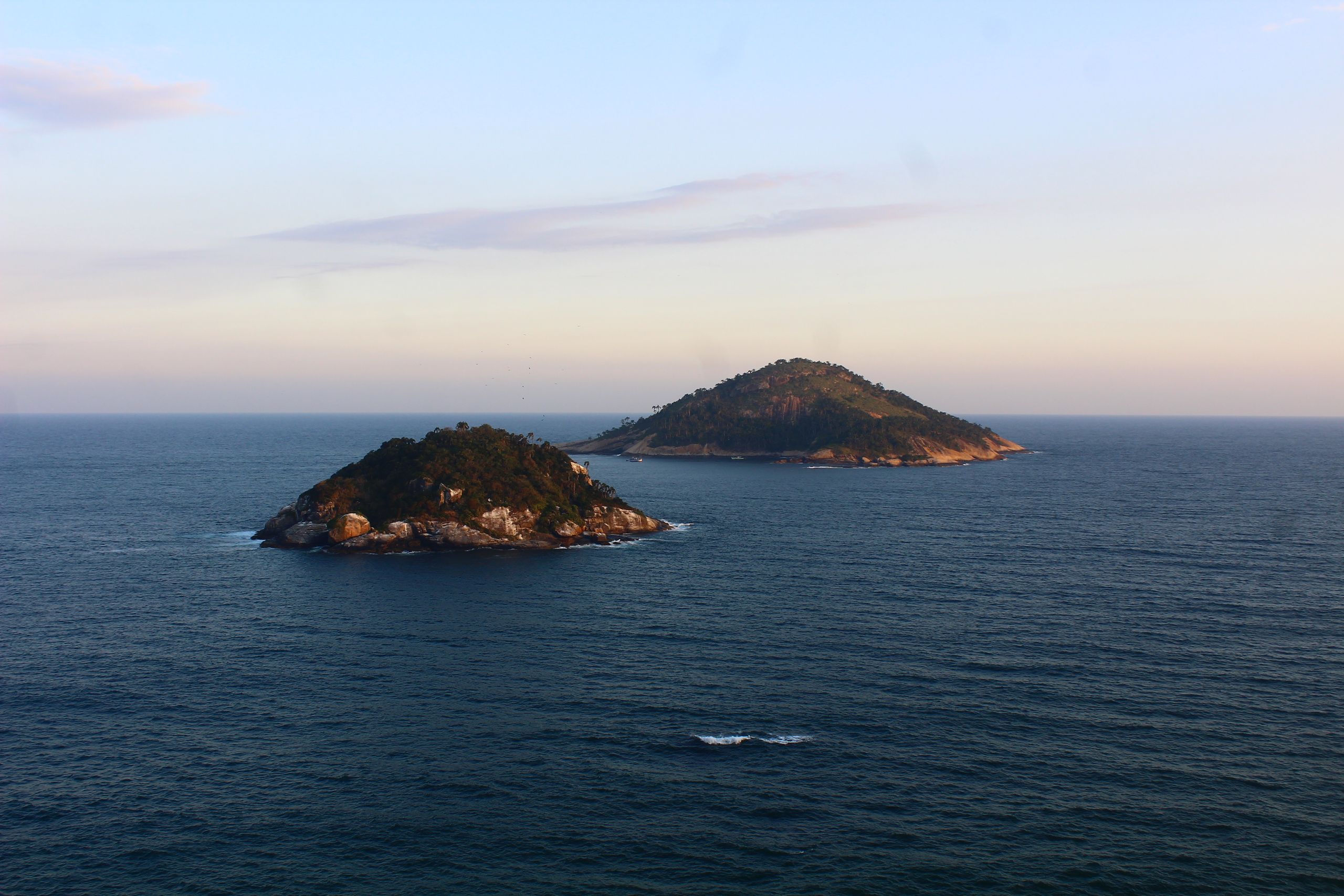
Ilha da Queimada Grande, commonly called Snake Island, lies off Brazil’s coast. It is famous for its population of golden lancehead pit vipers, a venomous snake species found naturally on the island.
The snakes became isolated there as sea levels rose, allowing the population to evolve separately from mainland snakes. They primarily hunt birds, which visit the island during migration.
The island’s reputation has inspired many frightening stories, including exaggerated claims about how many snakes live there.
Nevertheless, the presence of a venomous species found nowhere else makes it extraordinary.
Access is restricted, and visitors should never try to explore it on their own.
The Capuchin Catacombs, Italy
Beneath Palermo, Sicily, lies a burial site that visitors may find hard to forget. The Capuchin Catacombs contain thousands of preserved human remains displayed along corridors and inside niches.
The practice developed centuries ago, when Capuchin friars began preserving bodies in underground spaces. Over time, the catacombs also became a burial place for other community members.
Some of the remains are dressed in clothing, while others stand or lie in arrangements that resemble scenes from another era.
Although the sight may seem frightening, the catacombs also serve as a historical record of changing burial customs, religious beliefs, and social distinctions in Palermo.
Nagoro Doll Village, Japan
In Japan’s remote Iya Valley, the village of Nagoro is known for its life-sized dolls placed throughout the community.
Artist Tsukimi Ayano began creating the figures partly to remember people who had left the village or passed away. She positioned them at bus stops, in fields, inside buildings, and around the local school.
The result is unusual: visitors may encounter a doll sitting on a bench or appearing to wait for a bus. From a distance, some figures can easily be mistaken for real people.
Nagoro’s dolls also reflect a serious issue affecting many rural communities: population decline. What initially appears creepy is, in part, an artistic response to changing village life.
Sedlec Ossuary, Czech Republic
The Sedlec Ossuary, located in Kutná Hora, is a small chapel decorated with human bones. The remains of thousands of people are incorporated into its unusual interior design.
Among its best-known features is a chandelier made using bones from different parts of the human body. Other bone arrangements
include decorative structures and a coat of arms associated with the Schwarzenberg family.
The chapel’s appearance may shock first-time visitors, but it was not created to frighten people. Its religious setting and decorations
reflect historical ideas about death, mortality, and the afterlife.
It is a remarkable example of how a burial site can become both a place of remembrance and a destination that attracts visitors from around the world.
The Hanging Coffins of Sagada, Philippines
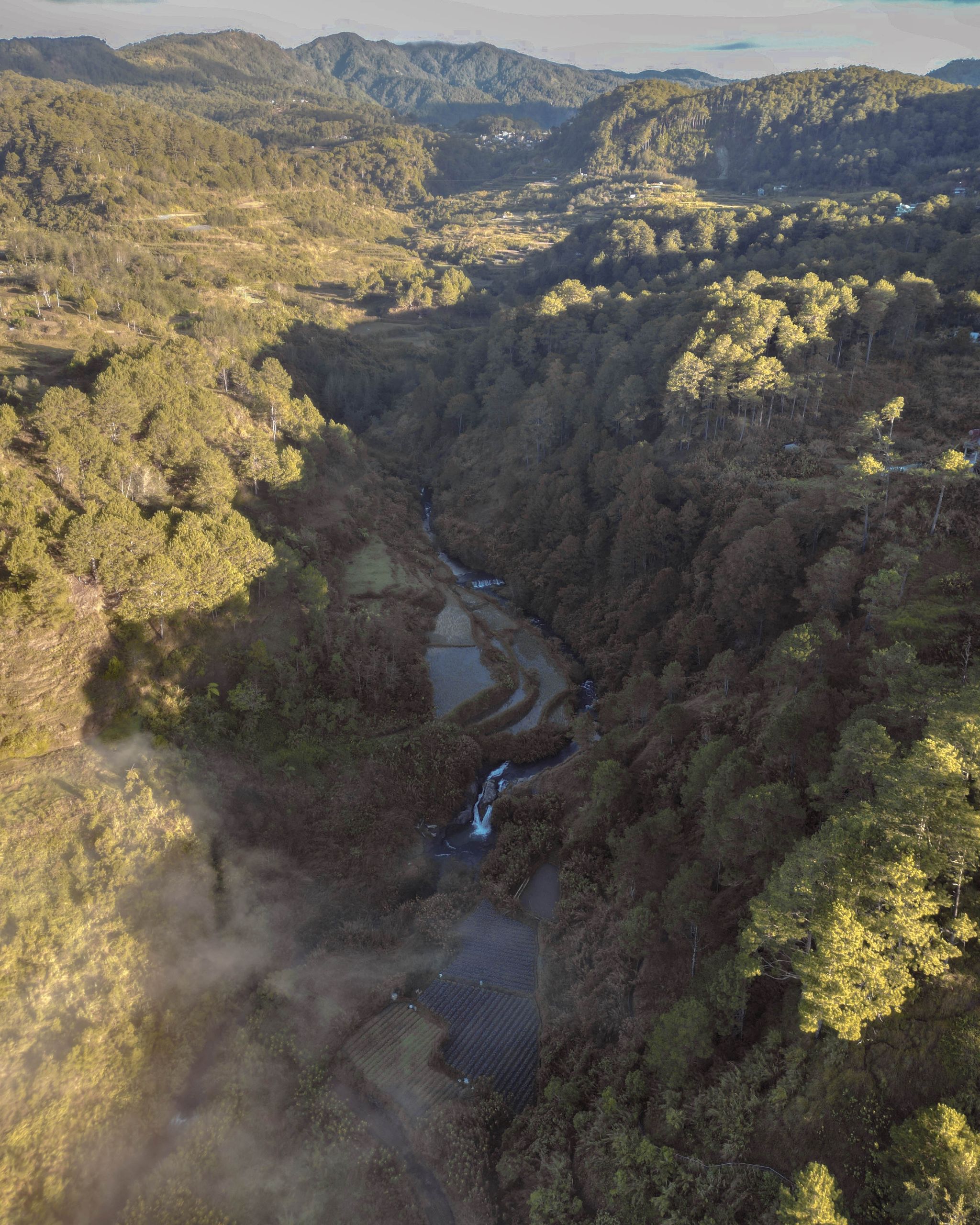
In Sagada, a mountain town in the Philippines, traditional burial practices have included placing coffins on cliffsides rather than burying them in the ground.
The practice is associated with the local Kankanaey people and their historical beliefs surrounding death and the relationship between the living and their ancestors.
Wooden coffins attached to steep limestone cliffs create a striking sight for visitors unfamiliar with the tradition.
However, these are not simply spooky decorations. They represent cultural practices passed down through generations, and understanding their significance requires respect for the people whose traditions they preserve.
The Door to Hell, Turkmenistan
In Turkmenistan’s Karakum Desert, a large gas crater known as the Door to Hell has become famous for its flames.
The crater is commonly linked to a 1971 drilling accident, when the ground collapsed during Soviet-era geological exploration. Gas
escaping from the site was reportedly ignited to reduce the release of gas, but the flames continued burning.
The crater’s glowing interior is particularly striking after dark, when the fire illuminates the surrounding desert.
Despite its dramatic nickname, this is a geological and industrial site, not a supernatural phenomenon. The combination of darkness, fire, and isolation simply makes it look otherworldly.
The Island of the Dolls, Mexico
South of Mexico City, in the canals of Xochimilco, lies an island known for dolls hanging from trees and buildings.
The collection is associated with Julián Santana Barrera, who reportedly began placing dolls around the island after a young girl
drowned nearby. He continued adding dolls over many years.