11 foods that many adults still absolutely refuse to eat
You know that feeling when you scan a menu, and your stomach does a backflip at the sight of one specific ingredient? We all have culinary lines we won’t cross. I’ve spent years chatting with fellow food lovers, and it turns out we aren’t just “picky eaters”—we navigate a minefield of biology, genetics, and texture nightmares.
Recent YouGov data confirms that American adults hold onto serious food grudges, and frankly, science backs us up. I dug into the numbers and weird chemistry to find out why we hate what we hate.
Anchovies

If you want to ruin a pizza for 56% of the population, just toss on a few of these salty fish. Anchovies statistically rank as the most disliked food in America. It’s a battle between umami and the scent of decay. Anchovies contain intense amines that mimic the smell of decomposition, triggering a biological “danger” alarm in your brain.
However, Gen Z is rebranding them. Have you seen the “Tinned Fish Date Night” trend on TikTok? Suddenly, eating conservas is cool. While influencers plate artisan anchovies for clout, most of us still pick the hairy little strips off our pizza.
Liver
Liver reigns as the heavyweight champion of “ick,” with 54% of Americans rejecting it, according to YouGov data. The aversion roots deeply in texture, and that metallic, blood-like taste caused by high iron content. I still remember my grandmother trying to pass it off as steak—the betrayal stings to this day.
Despite the hate, the “carnivore diet” crowd is trying to make liver happen. Influencers now tout raw liver as a superfood for energy. But experts warn against the risks of Vitamin A toxicity, so proceed with caution before joining the organ meat bandwagon.
Tofu
Tofu is the texture void that 46% of adults just cannot handle. The complaint I hear most? “It’s like eating a wet sponge.” If you expect the chew of chicken, a block of soft soy curd delivers a massive shock.
This aversion is largely generational. Older adults dislike tofu significantly more (57%) than younger adults (32%). While younger generations embrace plant-based proteins, Boomers often view it as weird, processed “hippie food.”
Black Licorice
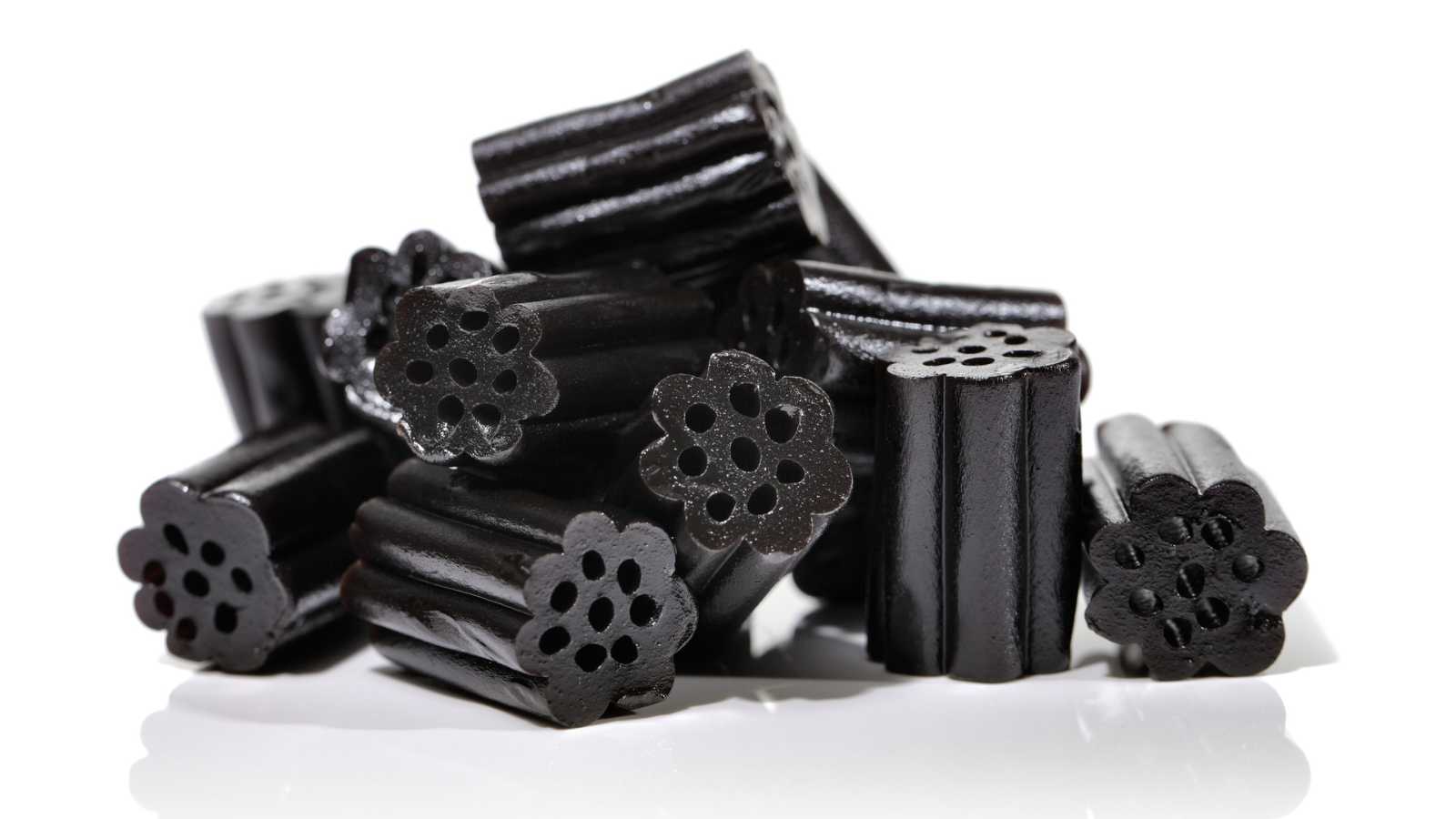
You either love black licorice or you think it tastes like literal poison. About 45% of Americans stand firmly in the “hate” camp. The culprit is glycyrrhizin, a compound in licorice root that tastes medicinal to many of us.
This hatred actually protects you. Overeating real black licorice can mess with your potassium levels and cause heart arrhythmias. So, if you hate black jellybeans, your body might just be looking out for you. IMO, that’s a win.
Blue Cheese
Mold. It’s literally mold. How do we get past that? Blue cheese holds a rejection rate of roughly 39%, according to YouGov, and the science explains why. The fungus Penicillium creates that signature blue vein, but the smell comes from Brevibacterium—the same bacteria responsible for foot odor.
You aren’t imagining things; it chemically smells like dirty socks. Yet, it remains a staple on wedge salads. We often drown it in dressing to mask the funk, but for nearly 40% of us, the barnyard aroma is a dealbreaker.
Okra
Okra is the vegetable that nightmares are made of. Roughly 29-35% of Americans refuse to eat it, largely due to “mucilage”—the scientific term for slime. One chef even told The Guardian, “Okra is the most foul thing ever grown.”
But 2025 brings us the weirdest trend yet: Okra Water. People now soak pods overnight and drink the slime for blood sugar benefits. It blows my mind that we hate eating the slime but will happily chug it.
Beets
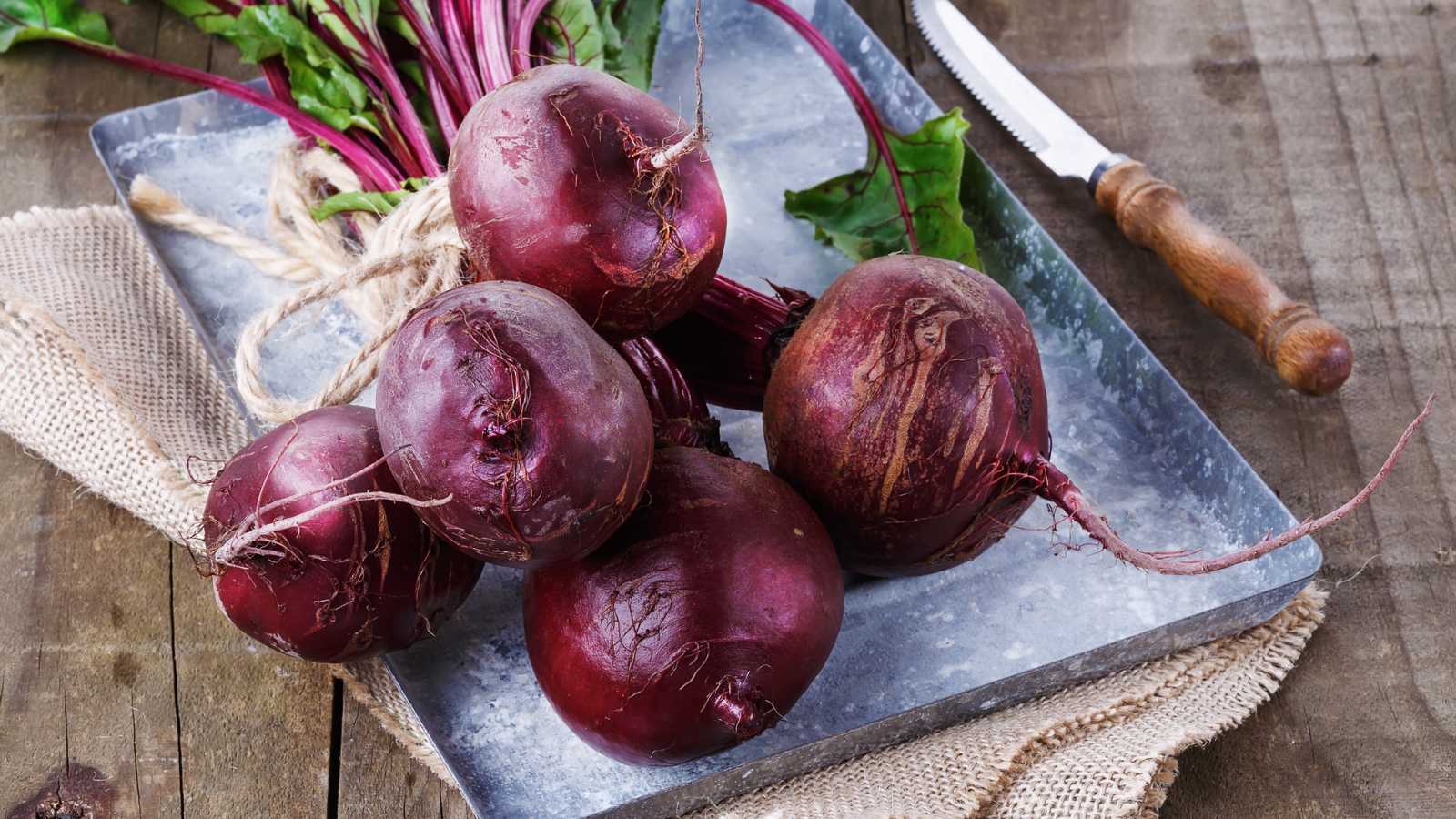
“It tastes like dirt.” If I had a dollar for every time I heard this, I’d be rich. Most adults dislike beets because they contain geosmin, a compound literally produced by soil bacteria.
Humans are susceptible to geosmin, so eating a beet salad feels like face-planting in the garden. While beet powder is trending for workout recovery, the raw root remains a hard pass for a third of the country.
Brussels Sprouts
Remember when these were the boogeyman of dinner time? Aversion to sprouts is often genetic. They contain glucosinolates, which taste intensely bitter to people with the TAS2R38 gene.
Here is the twist: scientists actually bred the bitterness out of modern sprouts. So, if you haven’t tried them since the 90s, you should reconsider. They aren’t the sulfur bombs you remember—unless you boil them to death.
Cilantro
Does your salsa taste like a bar of Ivory soap? If so, you aren’t crazy—you have a genetic variation in the OR6A2 gene. This makes you hyper-sensitive to aldehydes, the chemicals found in both cilantro and soap.
It affects about 4-14% of the population, making taco Tuesday a risky endeavor. You can’t just “learn to like it” when your brain screams “detergent!” every time you take a bite.
Olives
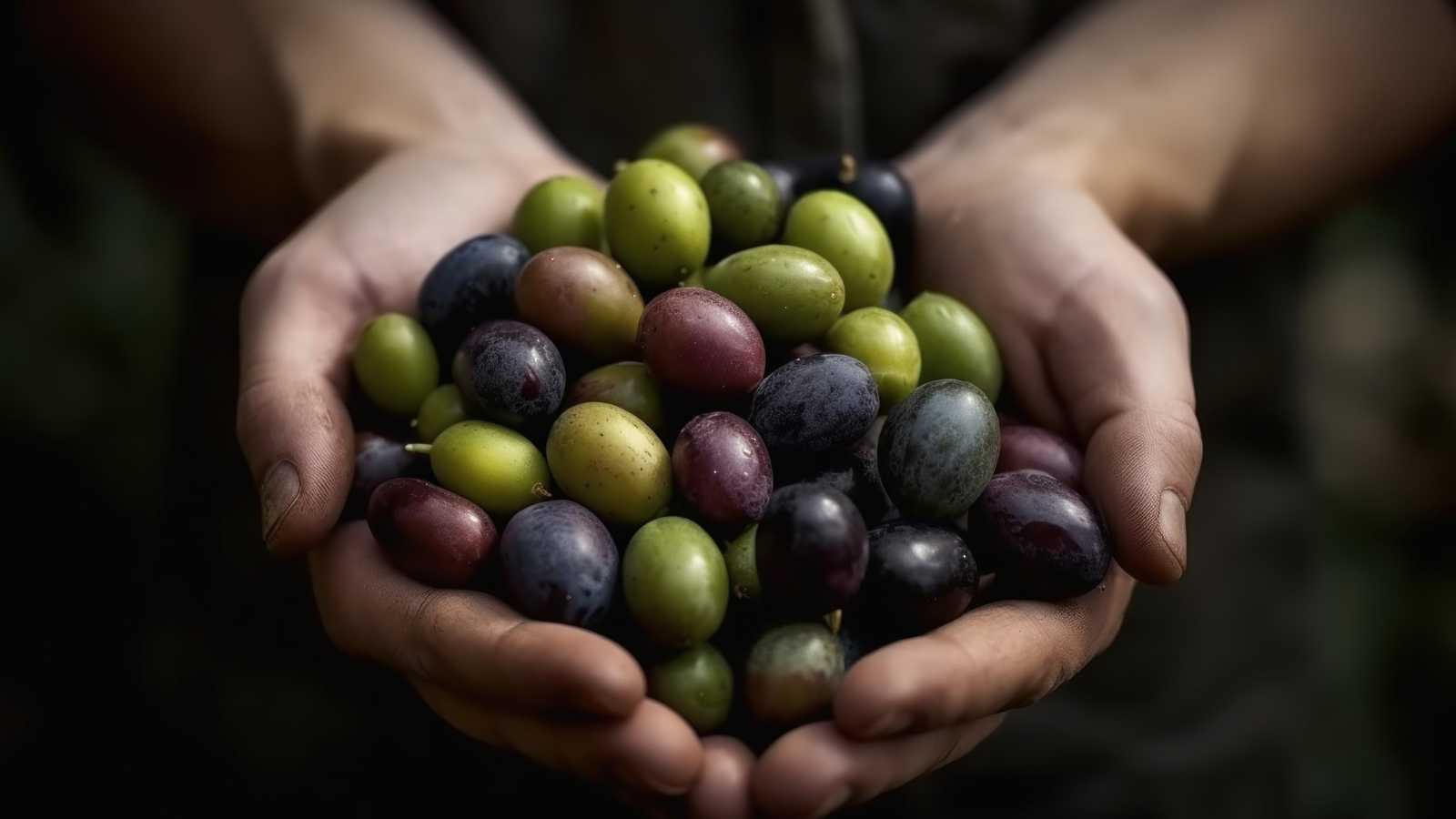
Olives are the salt bombs of the fruit world. About 15% of Americans hate them, usually due to the bitter compound oleuropein. Fresh olives are actually inedible until cured in lye or brine.
Despite the hate, the “Dirty Martini” is having a massive moment in 2025. People who won’t eat an olive happily sip the brine in their vodka. It’s the ultimate loophole: we want the salt, just not the fruit.
Mushrooms
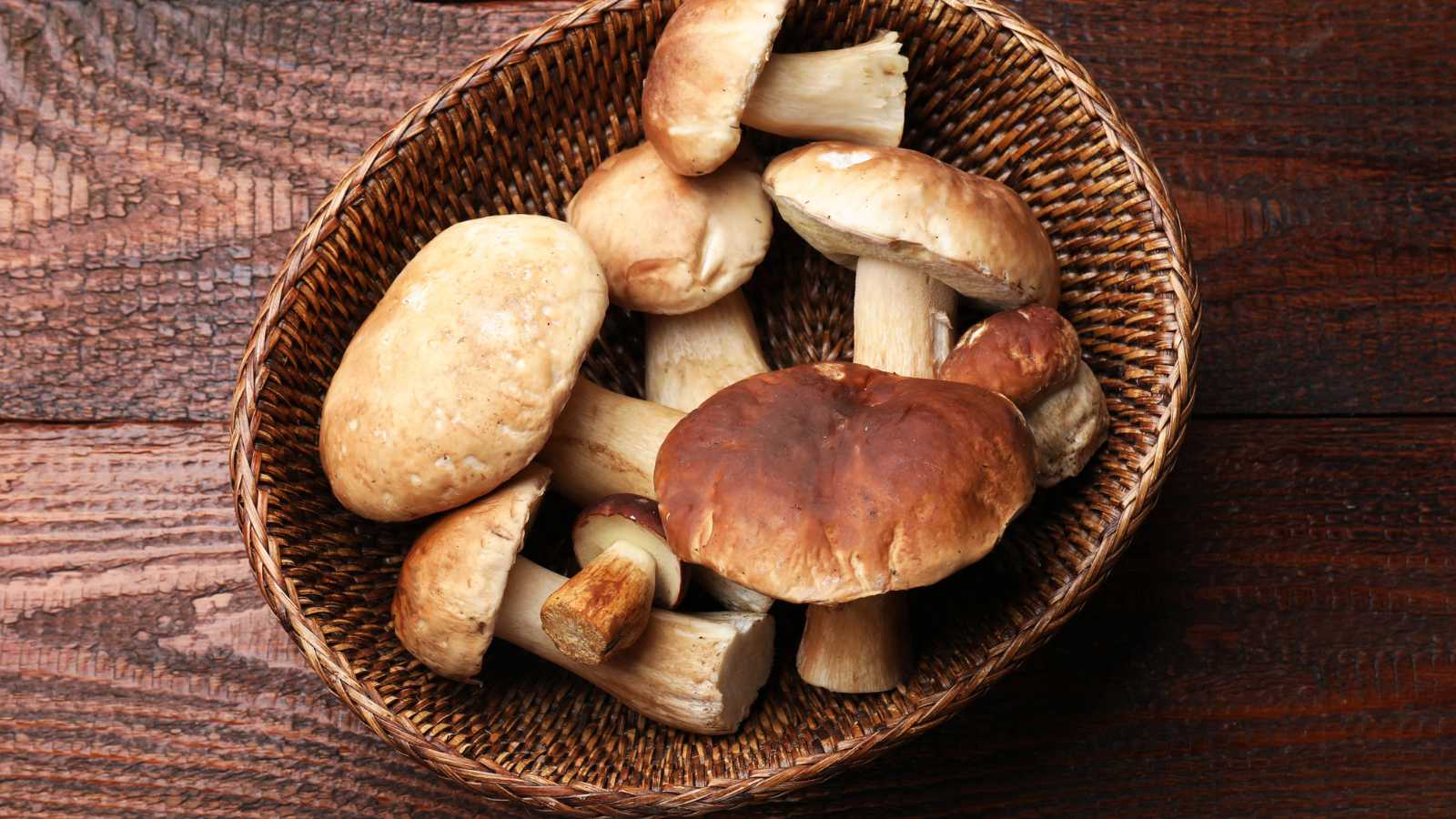
Fungi are fantastic… unless you have “Mycophobia.” Fear of mushrooms affects some adults, primarily due to their “slug-like” texture. Chewing on a sautéed mushroom feels like a sensory error for many.
However, mushrooms are exploding in the wellness space. FYI, mushroom coffee is a top trend for 2025, offering focus without the jitters. We seem happy to consume the fungi for health, as long as we don’t have to chew them.
Key Takeaway

So, what’s the verdict? We aren’t just being difficult. Whether it’s the OR6A2 gene making cilantro taste like soap or the evolutionary fear of slimy okra, our food aversions are wired into our biology. The trend for 2025? Masking the texture.
We drink our okra and powder our mushrooms to get the nutrients without the “ick.” Life is too short to eat food that makes you gag, so don’t feel bad about passing on the liver!
Read the Original Article on Crafting Your Home.