


Technology has a habit of making yesterday’s essentials feel surprisingly outdated. Items that once seemed impossible to live without can quickly become unnecessary when faster, smarter, and more convenient alternatives enter the market.
Think about how quickly smartphones replaced flip phones, streaming services replaced DVD collections, and digital payments changed the way people handle money. Many objects that filled homes, offices, and cars for decades are now quietly losing their place in everyday life.
By 2030, many familiar items may become rare, replaced by digital tools, smarter devices, and more sustainable alternatives that better match modern habits.
Some of these changes represent progress. Others may leave people feeling nostalgic for simpler times. The transition is not always about a product becoming useless. Often, it is about consumers choosing something that combines multiple functions into one convenient solution.
From communication tools and entertainment products to household items and workplace essentials, these are some of the everyday things that could soon become relics of the past.
Plastic Shopping Bags
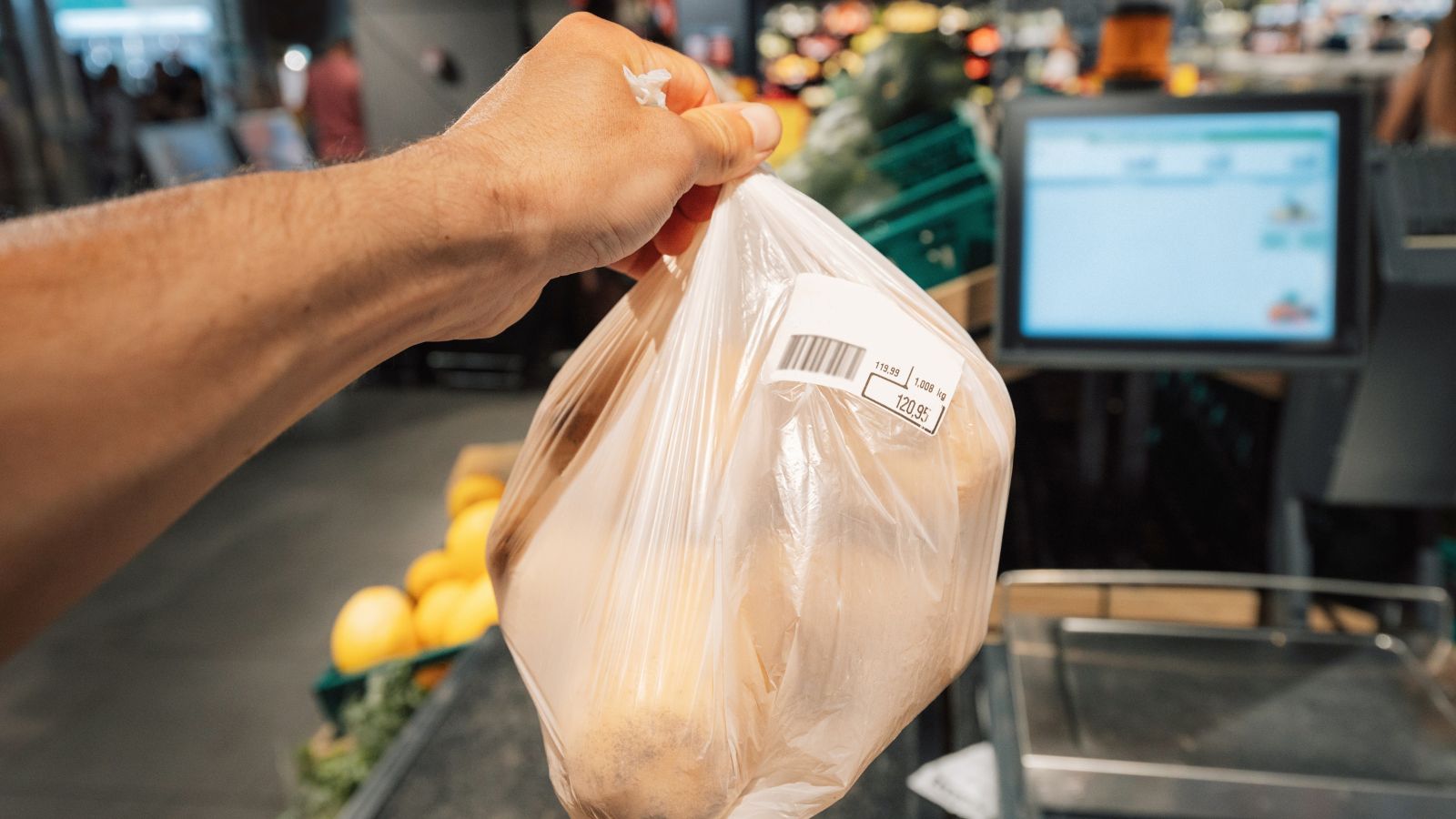
Single-use plastic bags have faced growing criticism because of environmental concerns.
Many communities have introduced restrictions, fees, or bans to encourage reusable alternatives.
Reusable shopping bags have become more common because they are durable, practical, and better aligned with sustainability goals.
As consumers and businesses continue moving toward environmentally friendly practices, traditional plastic shopping bags may become increasingly uncommon.
Cash Registers
Traditional cash registers are gradually being replaced by modern point-of-sale systems.
Digital systems allow businesses to process payments, manage inventory, analyze sales, and connect with customers.
Touchscreens and mobile payment options have transformed retail operations.
The old-fashioned register is becoming a symbol of a previous retail era.
Printed Greeting Cards
Greeting cards have long represented personal connections and thoughtful gestures.
However, digital messages, social media posts, and electronic cards have changed how people celebrate birthdays and holidays.
Digital communication offers speed and customization, reducing reliance on traditional paper cards.
While many people still appreciate handwritten cards, the habit is becoming less common.
Related: 10 American Traditions That Are Slowly Disappearing
Landline Telephones

For generations, the landline telephone was the center of household communication. Families gathered around a single phone, memorized numbers, and waited for important calls to arrive at home.
Today, smartphones have completely changed how people communicate. Calls, messages, video chats, banking, navigation, and countless other functions now exist inside one portable device.
Younger generations especially have little connection to traditional home phones. Many households no longer install landlines at all, and telecommunications companies are shifting resources toward mobile and internet-based services.
While some businesses and older households still rely on them, traditional landline phones are becoming increasingly rare.
Non-Professional Digital Cameras
Digital cameras changed photography before smartphones eventually transformed it again.
Today, most people use their phones to capture everyday moments. Modern smartphones offer impressive cameras, editing tools, filters, and instant sharing through social media.
For casual photography, carrying a separate camera often feels unnecessary.
Professional photographers and enthusiasts will continue using specialized equipment, but compact digital cameras are becoming increasingly uncommon among everyday consumers.
Cash Registers
Traditional cash registers are gradually being replaced by modern point-of-sale systems.
Digital systems allow businesses to process payments, manage inventory, analyze sales, and connect with customers.
Touchscreens and mobile payment options have transformed retail operations.
The old-fashioned register is becoming a symbol of a previous retail era.
Standalone GPS Devices
Dedicated GPS devices once transformed road trips by helping drivers navigate unfamiliar places.
Today, smartphones have absorbed that role.
Navigation apps provide real-time traffic updates, accident alerts, alternative routes, and location-based recommendations. Many modern vehicles also include built-in navigation systems.
The convenience of having one device perform multiple tasks has made standalone GPS units much less appealing.
Related: 6 Reasons Why Boomers Still Prefer Cash
Wired Earphones

Wired earphones were once everywhere.
Today, wireless earbuds and Bluetooth headphones dominate the market.
Consumers appreciate the convenience of fewer cables, easier movement, and compatibility with modern devices.
As more smartphones remove headphone ports, wired earphones are becoming less practical for everyday users.
Checkbooks
Writing checks was once a normal part of managing household finances.
People used checkbooks to pay bills, make purchases, and keep track of spending.
Today, digital banking, electronic transfers, mobile payment apps, and online bill payments have dramatically reduced the need for paper checks.
Some people and organizations still use them, but checkbooks no longer play the central role they once did.
Gasoline-Powered Cars
The automotive industry is undergoing one of its biggest transformations in history.
Electric vehicles are becoming more common as manufacturers invest in battery technology, charging infrastructure, and cleaner transportation options.
Many consumers are attracted to EVs because of lower operating costs, fewer emissions, and advanced technology features.
Gas-powered vehicles will not disappear overnight, but their dominance may continue declining as electric alternatives improve.
DVDs and Blu-ray Discs
Physical movie collections once filled shelves across America. Families built libraries of favorite films, rented DVDs for weekend entertainment, and collected special editions.
Streaming services changed that relationship with entertainment.
Today, viewers can instantly access thousands of movies and shows without storing physical discs. Subscription platforms offer convenience, portability, and constant updates that traditional media cannot match.
DVDs and Blu-rays may continue to exist among collectors and movie enthusiasts, but for most households, physical media has become a reminder of an earlier entertainment era.
How Technology Is Changing Everyday Life
Everyday items disappear not because people suddenly stop valuing them. It happens because new solutions offer greater convenience, speed, or efficiency.
Many replaced items once represented major innovations. Landline phones, DVDs, calculators, and paper maps were once cutting-edge tools.
The next decade will likely bring even more change as artificial intelligence, automation, and smart technology continue to influence daily life.
Other Posts You Might Like:
- 9 Essential Things Every Wife Over 60 Should Learn Before Losing Her Husband
- 5 bills you should never put on autopay if you want to save money
- 9 Things Boomers Cherish That Gen Z Is Phasing Out
The post 11 Everyday Items That Could Be Useless by 2030
If you like what you just read, then subscribe to our newsletter and follow us on social media.


