10 Ways Your Faith is Tested in the Modern World

Have you ever felt like keeping your faith today is like trying to hold onto a slippery fish while riding a unicycle? Between the relentless ping of notifications and the cultural pressure to treat your soul like a self-improvement project, maintaining a spiritual center feels more complex than ever. We aren’t just battling doubts anymore; we are fighting a “total environment” designed to flatten our spiritual lives into productivity and entertainment.
Recent data paints a wild picture: while 29% of U.S. adults now identify as religiously “unaffiliated,” according to Pew Research Center, a surprising “remnant” dynamic is emerging in which Gen Z is actually returning to Bible reading in droves. It’s a messy, confusing time to be a believer. So, grab a coffee (or your beverage of choice), and let’s look at the ten specific ways the modern world tries to squeeze the faith right out of you—and how you can push back.
The attention economy vs. prayer
You sit down to pray or meditate, and bzzzt—your phone lights up with a meme from your cousin. The average American adult now spends 7 hours and 2 minutes on a screen every day. This constant fragmentation of our focus is the primary enemy of spiritual depth. French philosopher Simone Weil once said, “Absolutely unmixed attention is prayer”. If that’s true, our twitchy, notification-addicted brains are barely praying at all.
IMO, this is the most challenging test because it rewires our neurology. Research shows a concept called “continuous partial attention” degrades our ability to sit with silence, which is precisely where God usually speaks. We trade deep communion for dopamine hits, leaving us spiritually malnourished but digitally stuffed.
The “hustle culture” that killed the sabbath
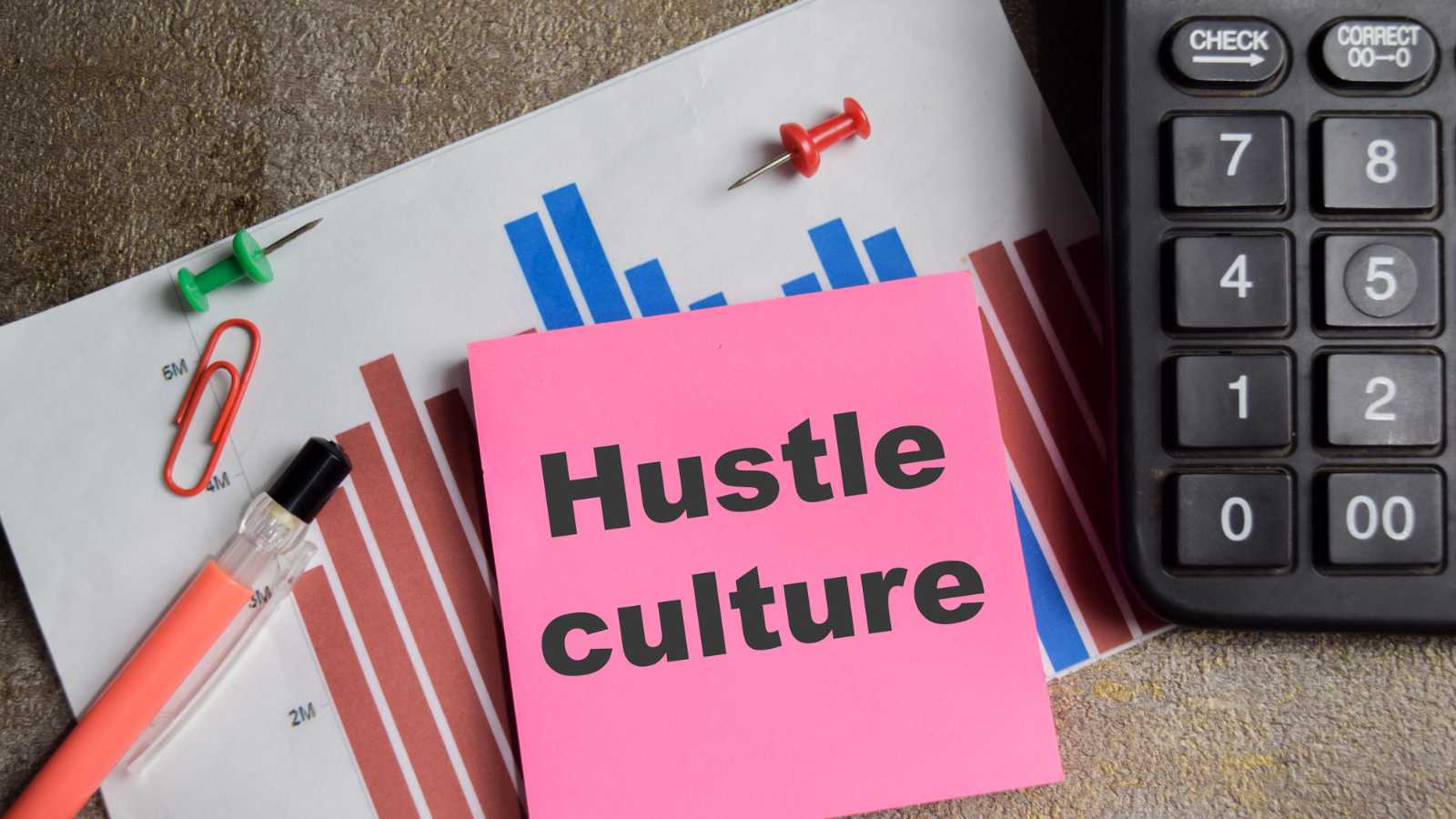
Remember when Sundays were actually for rest? Only 50% of Americans now view the Sabbath as religiously significant, a massive drop from 74% in 1978. We have swapped holy rest for the “grind,” believing that our value comes from what we produce rather than who we are.
I used to treat rest like a weakness until I hit a wall of exhaustion that no amount of coffee could fix. “Hustle culture” is a rival religion that demands 24/7 devotion. It blurs the lines between work and home so thoroughly that we feel guilty for stopping, effectively rejecting the divine gift of rest in favor of the idol of productivity.
The loneliness epidemic in a connected world
We have never been more “connected,” yet we are starving for real community. The U.S. Surgeon General recently declared loneliness an epidemic, noting it carries the same mortality risk as smoking 15 cigarettes a day. This hits Gen Z the hardest, with 29% reporting they frequently feel lonely, compared to single-digit figures among Boomers.
Faith requires a “we,” not just a “me,” but the modern world pushes us toward isolation. Real community is messy, awkward, and requires showing up in person, while the internet offers a sanitized, low-stakes alternative. We often choose the safety of the screen over the vulnerability of the pew, missing out on the “communion of saints” that actually heals us.
The “build-a-god” workshop
Why follow a tradition when you can just invent your own? We live in the age of the “Spiritual But Not Religious” (SBNR), where 55% of Americans say morality depends on the situation rather than absolute standards. It is tempting to treat faith like a buffet—taking the comfort of heaven without the challenge of repentance.
However, this “DIY theology” often leads to anxiety rather than freedom. Studies show that SBNR individuals suffer from higher rates of anxiety and depression compared to those grounded in a religious community. Without a solid framework (or “container”) for our beliefs, we end up carrying the exhausting burden of inventing our own meaning every morning.
The political tribalism trap
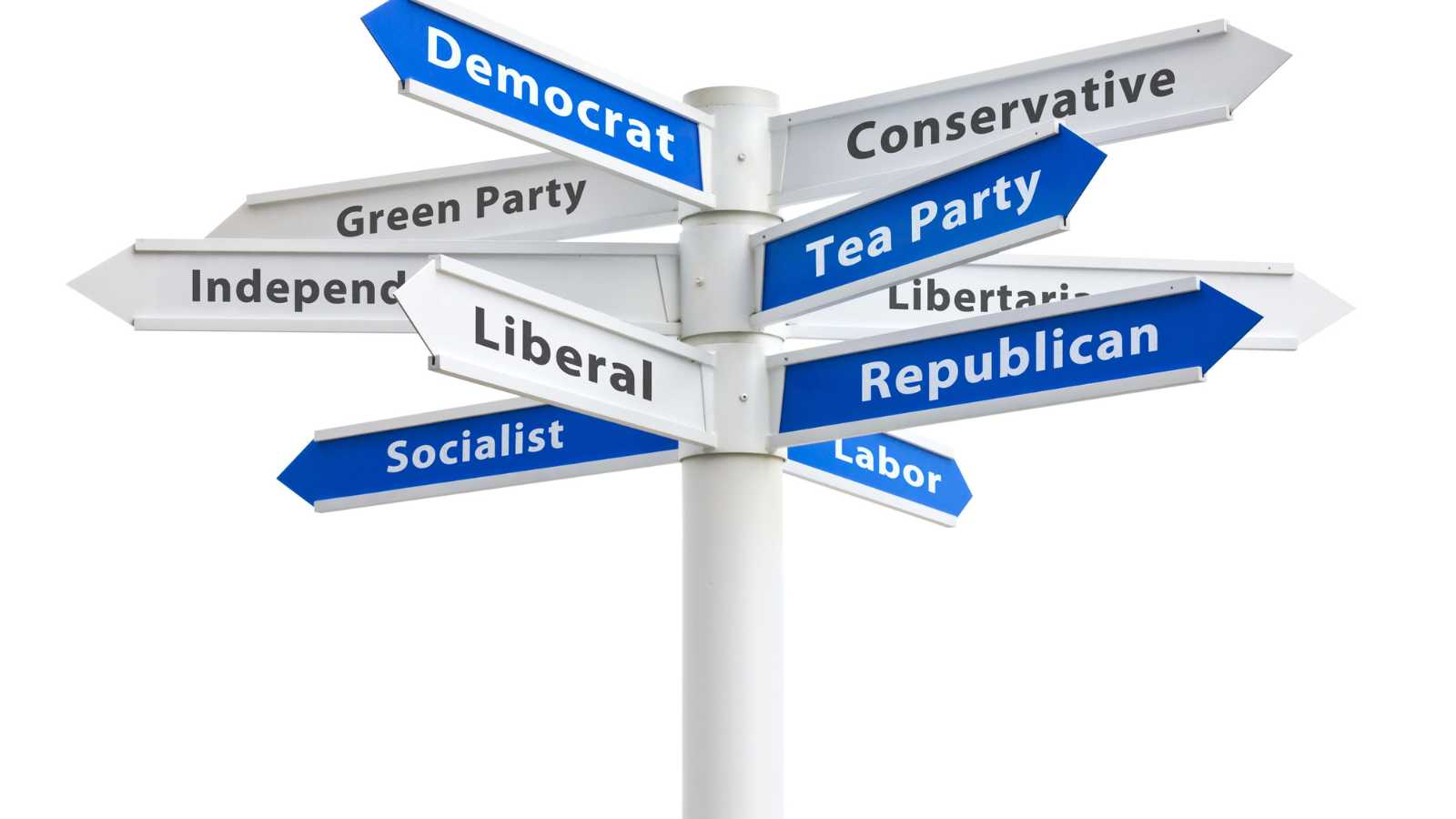
Here is a fun rhetorical question: Do you check your political party’s platform before you check your Bible? Political identity has increasingly replaced religious identity, with many people leaving churches simply because the politics there became toxic. We are pressured to view our spiritual brothers and sisters as political enemies first.
The data is stark: 92% of White Evangelicals view religion’s role in public life positively, compared to only 11% of agnostics. This polarization demands we pledge allegiance to a donkey or an elephant rather than the Lamb. The test here is loyalty—can you prioritize the Kingdom of God over the idols of Washington?
The “cancel culture” silence at work
Ever feel like you have to check your faith at the door when you clock in? You aren’t imagining the pressure. EEOC charges regarding religious discrimination spiked to over 13,000 in 2022, primarily driven by conflicts over mandates and expression. In corporate environments, sharing a traditional religious view can sometimes get you labeled as “intolerant” or “unsafe.”
This leads to massive self-censorship. The latest Cato National Survey shows that over 60% of conservatives say they are afraid to share their religious views, fearing professional backlash. The modern workplace tests our courage, tempting us to live a fractured life in which we act secular 9-to-5 and let our faith breathe only on the weekends.
The dating app burnout
If you are single, you know the struggle is real. A new study from Forbes Health shows that 78% of users report “dating app burnout,” and 91% of men say dating is more complicated now than ever before. The commodification of people—swiping left or right on human beings made in the image of God—can corrode your sense of dignity and hope.
This digital meat market tests your belief in your own worth. It treats romance like a shopping experience, encouraging us to dispose of people for the slightest inconvenience. Keeping your heart soft and your standards holy in a “swipe culture” takes serious spiritual grit.
The bioethics blur
Science is moving fast, and it is asking questions our ancestors never had to answer. With technologies like CRISPR gene editing and AI, we are dangerously close to “playing God.” Americans are closely divided on editing baby genes, with religious people significantly more skeptical of crossing that line.
At a recent summit, Cardinal Christophe Pierre warned that we must ensure “technology does not enslave but serves the common good”. The test here is recognizing the Imago Dei (Image of God) in a world that increasingly views human beings as data sets to be optimized or hardware to be upgraded.
The “retail therapy” mirage
Feeling sad? Buy something! Our economy is built on the lie that the next purchase will finally make you happy. This “success materialism” is a powerful rival to faith. While spending $394 billion on “wellness” and energy healing, we often ignore the free peace offered by faith.
Research consistently links high materialism with lower well-being and higher anxiety. I’ve definitely fallen for this—thinking a new gadget would solve my inner restlessness. Spoiler alert: it didn’t. The modern world tests our contentment, constantly whispering that God isn’t enough unless He comes with 2-day shipping.
The apathy drift
Finally, the biggest test isn’t atheism; it’s a shrug. The fastest-growing religious group isn’t a cult; it’s the “Nothing in Particulars,” who now make up 19% of the population. This “soft secularism” doesn’t yell at you; it just lulls you to sleep, suggesting that faith is a nice hobby but totally optional.
This apathy is contagious. It tests our endurance. But here is the good news: Bible reading among Gen Z actually jumped from 30% to 49% in 2025. Even in the drift, people are waking up and grabbing hold of something solid. FYI, that could be you, too.
Key Takeaway

The modern world doesn’t just offer different ideas; it provides a different habitat—one built on distraction, isolation, and consumption—that suffocates faith. The “crisis of faith” is actually a crisis of attention and community. To pass these tests, we don’t need to be smarter; we need to be more intentional. We have to unplug, slow down, and find real people to walk with. The current is strong, but the Rock is stronger.
Read the Original Story on Crafting Your Home.