10 Ways Fungi Are Shaping the Future of Technology
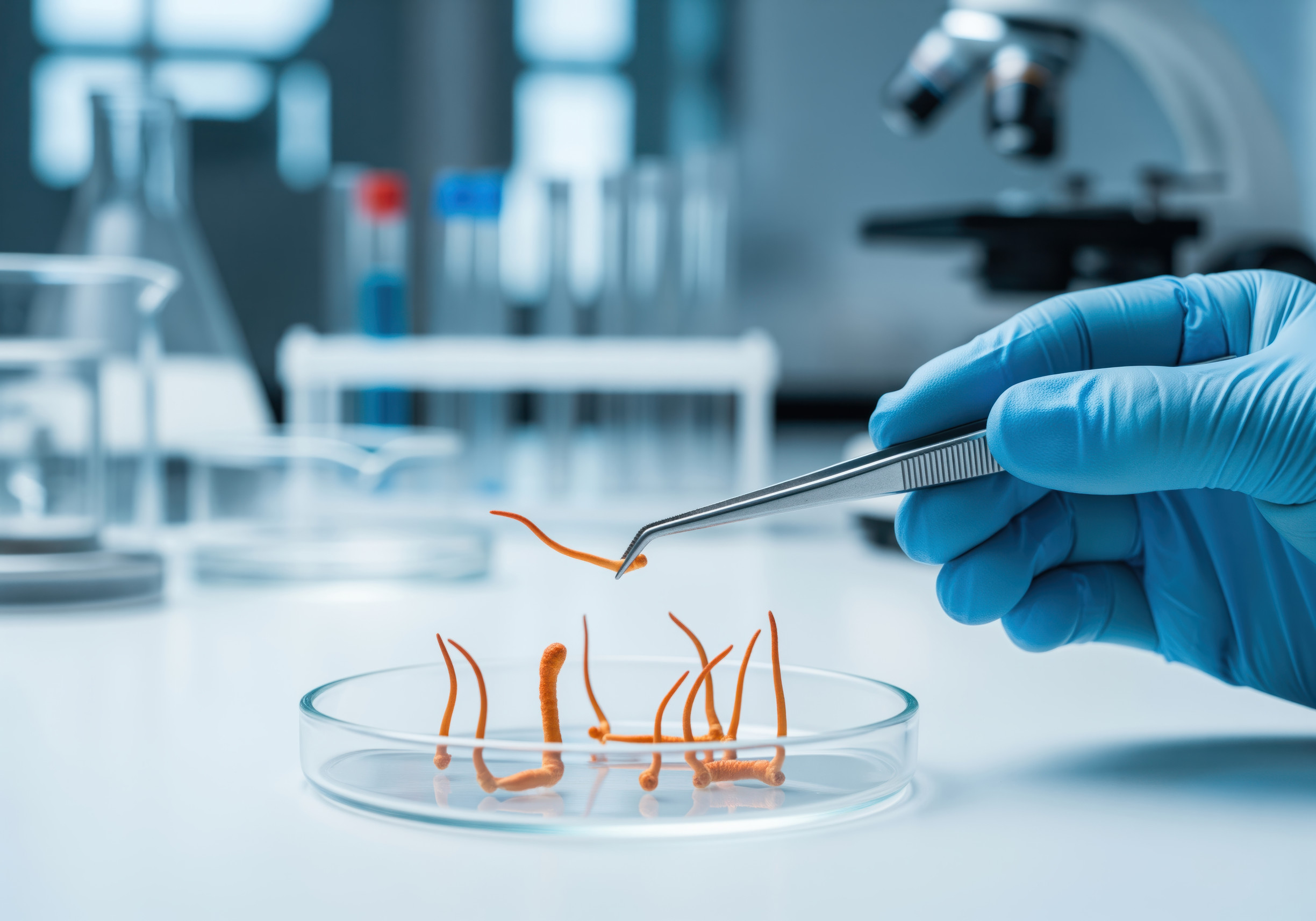
Fungi, often overlooked in the world of cutting-edge technology, are making their mark in some of the most innovative and surprising ways. From revolutionizing medicine to transforming waste management, fungi are proving powerful allies in our quest for sustainable, advanced solutions.
Here are 10 exciting ways fungi are shaping the future of technology:
Biodegradable Packaging Solutions
Plastic pollution is one of the most pressing environmental issues of our time. Fungi are stepping in with a sustainable solution: mycelium-based packaging. By cultivating fungal root systems, companies can create fully biodegradable materials that replace traditional plastics. (Mycelium-based Materials Company, 2025)
These mushroom-based products break down naturally, leaving behind no harmful residue, and they’re already being used for packaging everything from electronics to food.
Fungal-Based Building Materials

Fungi are transforming the construction industry. Mycelium, the root-like structure of fungi, can be grown into lightweight yet durable building materials that rival traditional concrete. (Substrate-based mycelium materials for applications in building insulation: Investigation of mechanical properties, 2025) These eco-friendly materials are not only sustainable but also provide excellent insulation, thereby reducing buildings’ carbon footprint.
(Reducing the carbon footprint of buildings using biochar-based bricks and insulating materials: a review, 2023) The potential of fungi in green architecture is immense, with fungal bricks and insulation offering a pathway toward more energy-efficient, environmentally conscious buildings.
Advanced Medicine and Pharmaceuticals
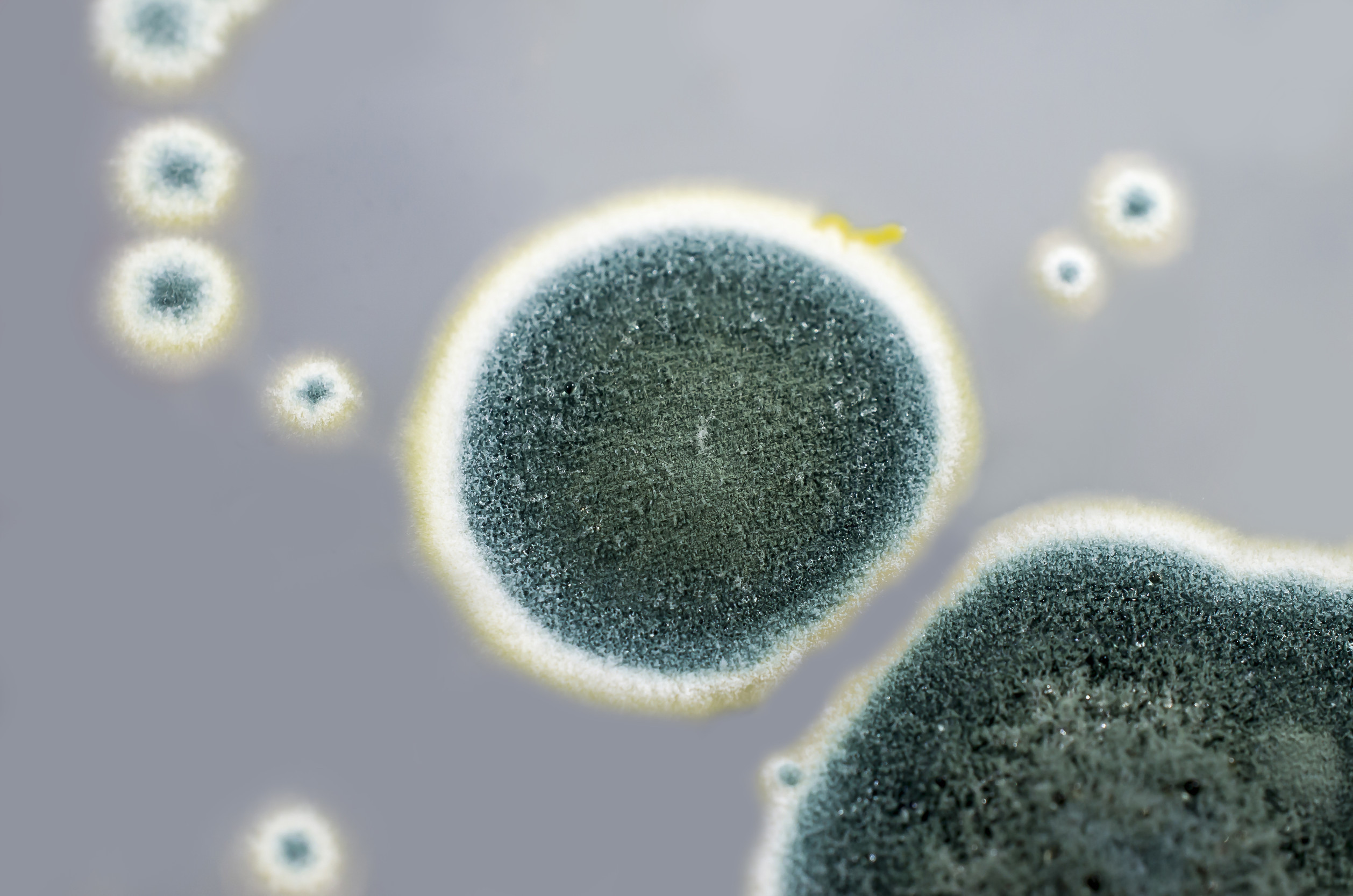
Fungi have long been celebrated for their medicinal properties, but their role in the future of medicine is expanding rapidly. Penicillin, the world’s first antibiotic, is derived from fungi, and today, researchers are exploring fungi’s potential in treating everything from cancer to Alzheimer’s disease.
The unique compounds produced by fungi are being harnessed to create groundbreaking drugs, with some fungi showing promise in combating antibiotic and other superbugs.
Mycelium-Based Electronics
Believe it or not, fungi are entering the realm of electronics. Mycelium can conduct electricity, making it a potential candidate for creating sustainable and biodegradable electronic circuits. Researchers are experimenting with integrating mycelium into microchips and electronic components, creating eco-friendly alternatives to the metal and plastic-based systems that dominate our devices today.
This innovation could lead to the development of fully recyclable electronics, reducing the environmental impact of electronic waste.
Fungi as Environmental Cleaners
Fungi are natural clean-up agents. Their ability to break down organic matter and absorb harmful pollutants makes them invaluable for environmental remediation. Fungi are being used to decompose toxic waste, including oil spills and plastic waste, effectively “eating” pollutants and neutralizing them.
This natural process, called mycoremediation, is revolutionizing how we approach environmental clean-up and provides a more eco-friendly solution to the growing waste crisis.
Bioluminescent Fungi for Lighting
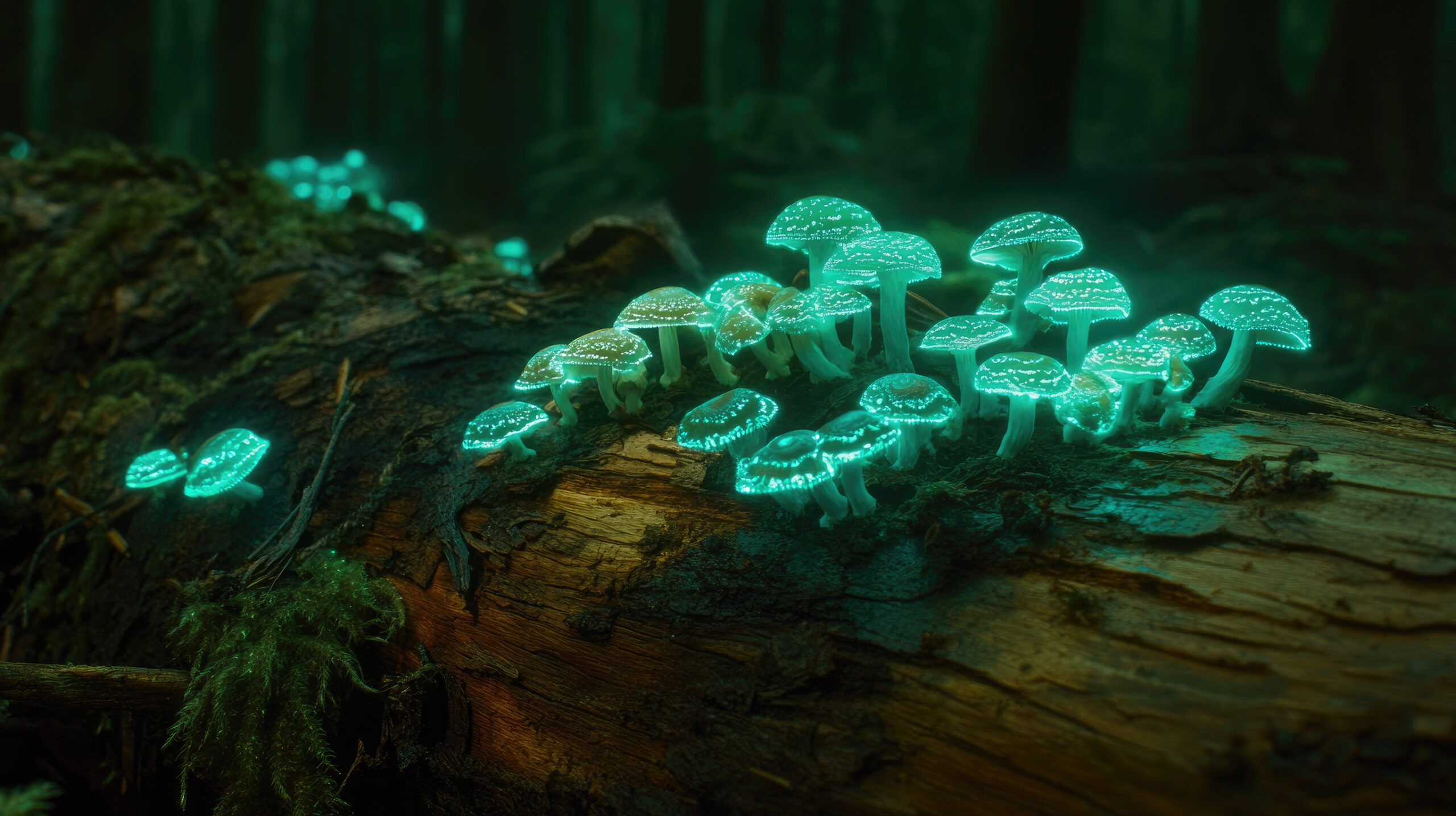
Imagine a world where streetlights are powered by natural, glowing organisms. Bioluminescent fungi, which emit light in the dark, are being explored as a potential source of sustainable lighting. By harnessing fungi’s bioluminescent properties, researchers are developing eco-friendly lighting systems for everything from outdoor spaces to emergency lighting.
The glow of fungi could replace energy-intensive lighting, offering a unique, renewable light source.
Fungi in Food Innovation
Fungi are already a staple in the culinary world, but they’re poised to play an even more significant role in future food technologies. Mycoprotein, derived from fungi, is a sustainable, protein-rich alternative to meat. As the world moves toward more plant-based diets, mycoprotein is being used in meat substitutes, offering a nutritious, eco-friendly alternative to traditional animal farming.
Fungi’s versatility also extends to other food innovations, including fermentation processes that enhance flavors and nutrition.
Fungi in Biofuel Production
As the world searches for renewable energy sources, fungi are offering a solution. Certain types of fungi can be used to produce biofuels by breaking down organic matter and converting it into energy-rich compounds. This process is not only renewable but can also help reduce carbon emissions, as fungi-based biofuels could replace fossil fuels in power generation and transportation.
The potential for fungi to fuel the future of energy is vast, providing a cleaner, greener alternative to traditional energy sources.
Fungi for Personalized Medicine
The future of medicine is personalized, and fungi could play a crucial role in this shift. Fungi-based compounds are being explored for their ability to interact with human biology in unique ways, potentially offering tailored treatments for individuals based on their genetic makeup.
This precision medicine approach could lead to more effective, targeted therapies, enhancing how we treat diseases and improving overall health outcomes.
Fungal Mycelium in Space Exploration
Space exploration requires innovative solutions to tackle the challenges of living in space. Fungi could play a key role in sustaining life beyond Earth. Mycelium can be grown in space to create lightweight, durable materials for spacecraft or even for building structures on other planets.
Moreover, fungi have the potential to be used in space agriculture, providing astronauts with a renewable food source during long-duration missions. The possibilities are endless as we look to fungi as a vital resource for our journeys into the cosmos.
Conclusion
Fungi are no longer just part of nature’s background; they are at the forefront of technological innovation. From revolutionizing materials science to contributing to sustainability efforts, fungi are proving to be the unsung heroes of the tech world.
As we continue to explore their untapped potential, it’s clear that fungi will play a critical role in shaping a more sustainable and technologically advanced future.
Read the original Crafting Your Home