

The post 10 Vegetables With More Fiber Than Brussels Sprouts first appeared on Crafting Your Home.
Brussels sprouts have earned a reputation as one of the more fiber-rich vegetables, but they are far from the only option when you want to put more fiber on your plate.
A cup of cooked Brussels sprouts contains about 4 grams of dietary fiber, according to a USDA MyPlate recipe. But several other vegetables, including some familiar staples and a few less obvious choices, can provide more fiber in comparable servings.
The exact amount varies by vegetable, preparation method, and serving size. USDA’s MyPlate classification includes everything from leafy greens and sweet potatoes to beans and peas in the Vegetable Group.
Here are 10 vegetables worth knowing about.
Artichokes
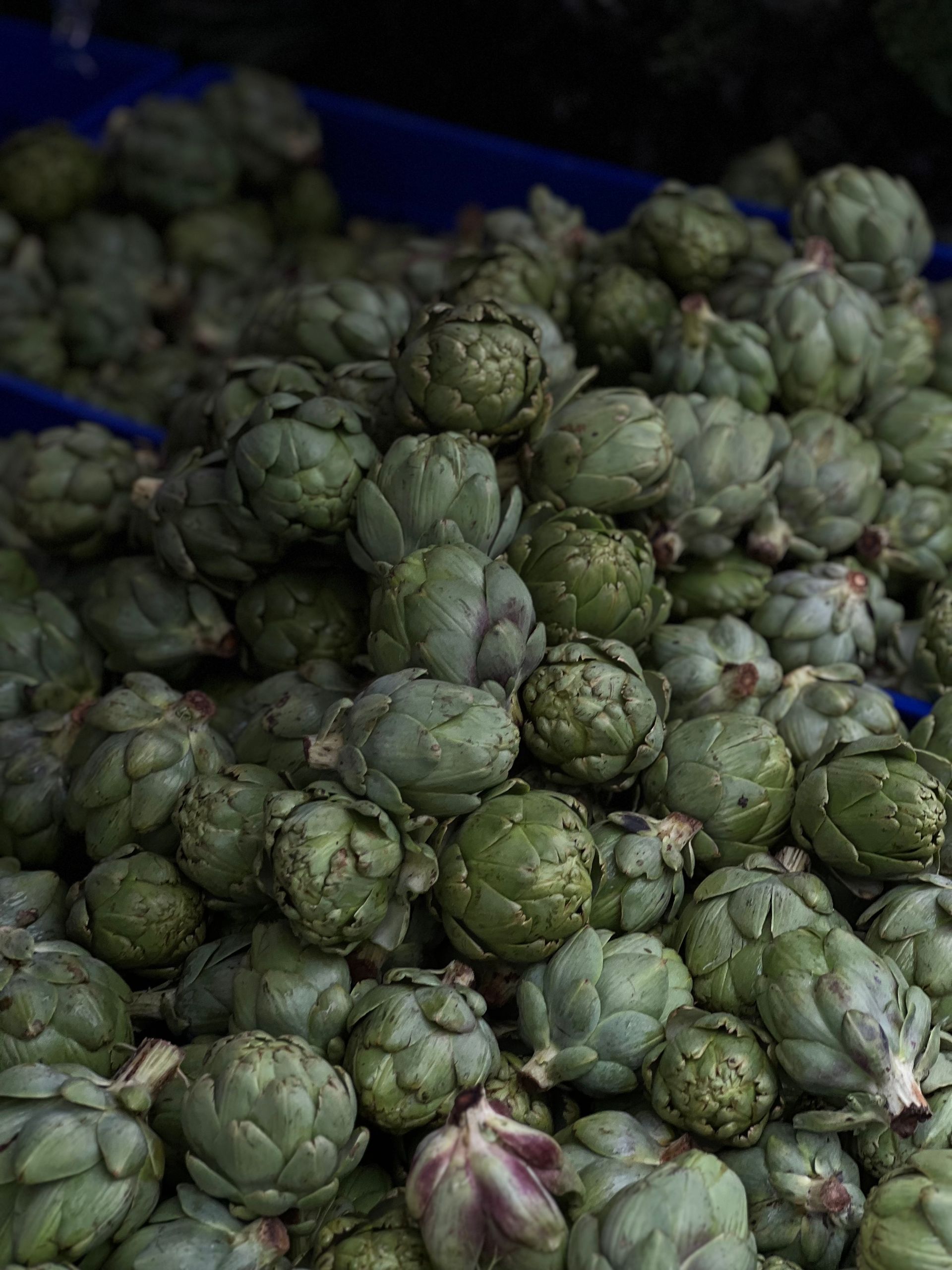
Artichokes are a standout choice for dietary fiber. The edible flower bud contains substantially more fiber than a typical serving of Brussels sprouts.
You can steam, boil, roast, or add artichokes to dishes like salads, pasta, and dips. USDA also specifically identifies artichokes as vegetables and notes that their flower buds contain fiber.
Lima Beans
Lima beans may not be the first food that comes to mind when thinking about vegetables, but USDA places lima beans within the Vegetable Group’s beans, peas and lentils subgroup.
Cooked lima beans are particularly notable for their fiber content. You can serve them as a side dish, add them to soups, or combine them with other vegetables.
Their classification also highlights an important point: vegetables don’t have to be leafy or green to contribute meaningful amounts of fiber.
Green Peas
Green peas are another member of the Vegetable Group that can provide more fiber than Brussels sprouts.
USDA lists green peas among the starchy vegetables and counts a cup of fresh or frozen green peas as a vegetable serving.
They’re easy to add to soups, rice dishes, salads, and pasta, making them a relatively simple way to vary the vegetables in a meal.
Sweet Potatoes
Sweet potatoes are another fiber-rich option, especially when you keep the edible skin.
USDA’s MyPlate lists a large baked sweet potato as a vegetable serving and also recognizes one cup of cooked, sliced, or mashed sweet potato as a serving.
Its naturally sweet flavor also makes it useful in both savory meals and dishes that call for a sweeter vegetable.
Broccoli
Broccoli belongs on the list too. USDA’s dietary-fiber data lists cooked broccoli among vegetables containing dietary fiber, while MyPlate identifies one cup of chopped broccoli as a vegetable serving.
Roasting, steaming, and stir-frying are common ways to prepare it. You can also combine broccoli with other vegetables instead of serving it on its own.
Collard Greens
Collard greens are another leafy vegetable that can deliver more fiber than a comparable serving of Brussels sprouts.
USDA’s MyPlate guidance counts one cup of cooked collard greens as a vegetable serving.
You can cook them as a side dish or incorporate them into soups and other meals. Because leafy greens can change considerably in volume during cooking, comparing them by serving size is important when looking at nutrition figures.
Turnip Greens
Turnip greens are sometimes overlooked in favor of more familiar leafy vegetables, but they also belong to the dark-green vegetable category in USDA’s MyPlate system.
Cooked turnip greens can be served alongside other vegetables or incorporated into mixed dishes. They offer another way to diversify the leafy greens appearing on the dinner table.
Kale
Kale is another dark-green vegetable included in USDA’s Vegetable Group. MyPlate lists cooked kale among the leafy greens that count toward vegetable intake.
You can sauté, steam, or incorporate kale into soups and salads. Because raw leafy vegetables occupy considerably more volume than cooked greens, it’s useful to pay attention to whether nutrition information refers to raw or cooked kale.
White Potatoes
White potatoes are sometimes left out of conversations about fiber-rich vegetables, but the edible skin and flesh contain dietary fiber.
USDA’s MyPlate guidance recognizes white potatoes as a starchy vegetable and counts one medium boiled or baked potato as a vegetable serving.
Preparation changes what ends up on the plate, so a baked or boiled potato with its skin is a different nutritional comparison from a peeled potato prepared another way.
Split Peas
Split peas may look more like a soup ingredient than a vegetable, but USDA includes dry peas and legumes such as split peas in the Vegetable Group’s beans, peas and lentils subgroup.
They’re commonly used in soups and stews and can provide considerably more fiber than many familiar vegetable sides.
The Bigger Picture
Brussels sprouts are a useful reference point, but they don’t have a monopoly on fiber. Artichokes, beans, peas, sweet potatoes and several leafy vegetables can all contribute significant amounts.
It’s also worth remembering that nutrition comparisons aren’t always as simple as putting vegetables in a fixed ranking. Fiber values can change depending on whether a food is raw, cooked, canned, or frozen, as well as the amount being measured. USDA notes that vegetables can be counted in the Vegetable Group whether fresh, frozen, canned, dried, raw, or cooked.
For anyone looking to add variety to meals, there are plenty of options beyond Brussels sprouts. A rotation that includes leafy greens, peas, beans, potatoes, sweet potatoes, and other vegetables can keep meals from becoming repetitive while bringing different textures and flavors to the table.
The next time Brussels sprouts aren’t on the menu, there are plenty of other vegetables to choose from.
Other Posts You Might Like
- How to Plant and Grow Spider Plant
- 7 Garden Pests That Are Eating Your Plants—and How to Stop Them
- How to Use Eggshells in the Garden
If you like what you just read, then subscribe to our newsletter and follow us on social media.


