10 Unexpected Ways Boiling Water Makes Cleaning Easier
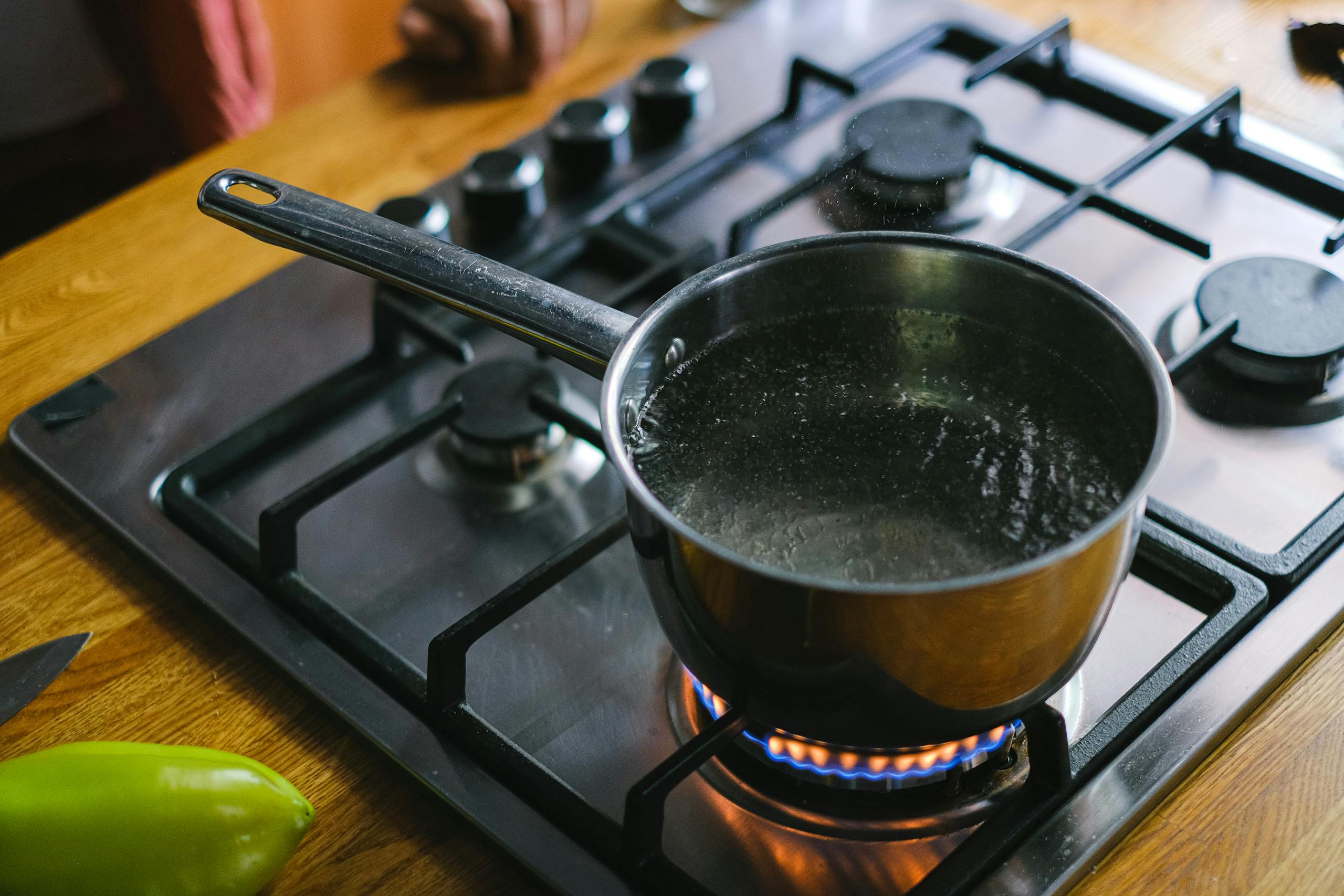
Boiling water, an everyday necessity in kitchens across the globe, holds a multitude of unexpected uses beyond cooking.
Its versatility can significantly simplify and improve various household tasks, offering practical solutions that save time, energy, and effort.
In this article, we explore ten clever ways that boiling water can revolutionize your household chores and maintenance routines. From cleaning stubborn stains to enhancing garden care, the power of boiling water is not to be underestimated.
Eliminate Stubborn Kitchen Grease
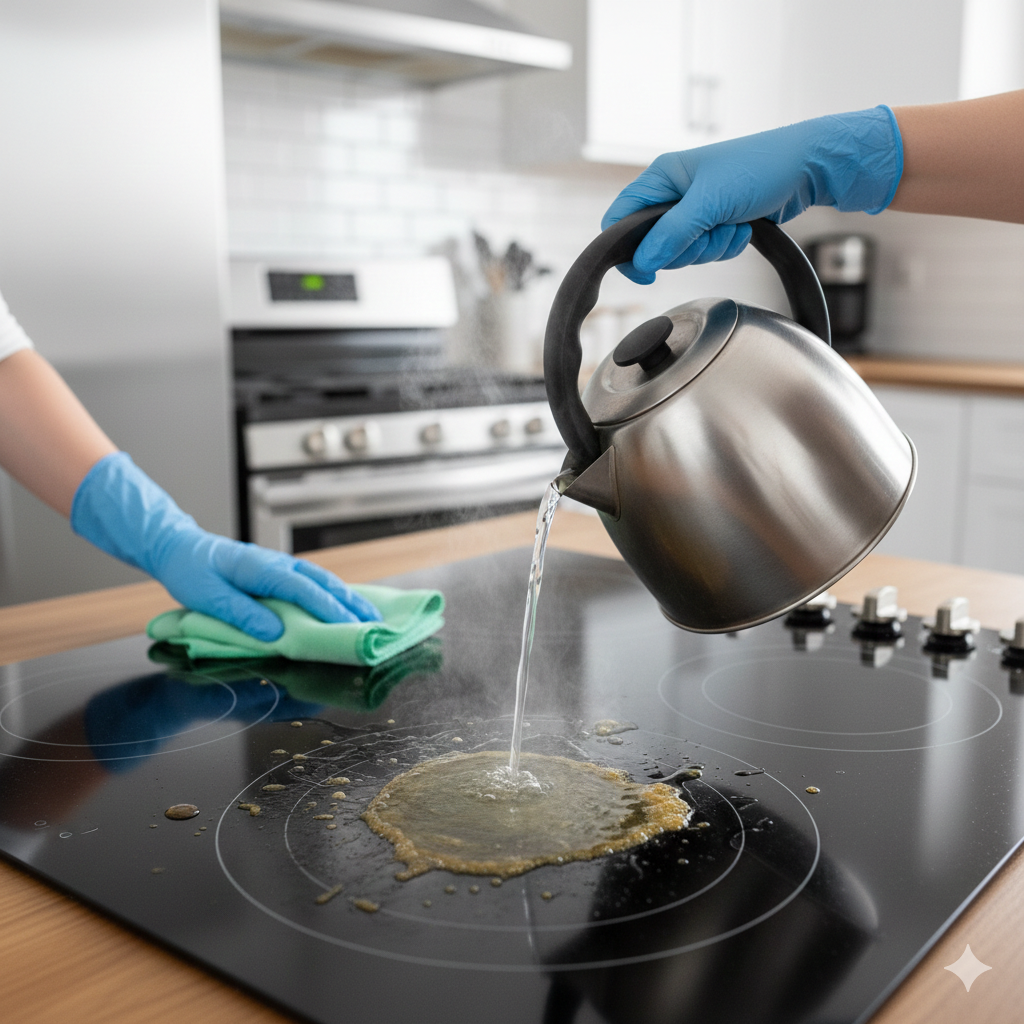
Boiling water is a potent ally when it comes to tackling kitchen grease. Over time, grease can accumulate on stovetops, kitchen countertops, and even inside your oven.
The high temperature of boiling water helps break down the oil and grease molecules, making them easier to wipe away.
How to Use:
- Boil a pot of water and carefully pour it over greasy surfaces.
- Let the water sit for a few minutes to loosen the grease.
- Wipe the surface with a sponge or cloth. For tougher grease, use a bit of dish soap.
This simple method works wonders on appliances like blenders, air fryers, and even the bottom of your microwave.
Clean Bathroom Drains and Pipes
Blocked drains in the bathroom are a common nuisance, caused by hair, soap scum, and other debris. Boiling water can help clear these blockages without the need for harsh chemicals, which can be harmful to both your pipes and the environment.
How to Use:
- Boil a large pot of water.
- Slowly pour the boiling water down the drain in two to three stages.
- Allow the water to work for a few minutes, and then run cold water to flush out any remaining residue.
Regularly using this method helps prevent clogs and keeps your plumbing system in top condition.
Remove Stubborn Carpet Stains
Carpets are prone to dirt, spills, and stains that can be difficult to remove. Boiling water, when applied properly, can help lift many of these stains, especially those from wine, coffee, and food.
How to Use:
- Boil water and pour a small amount directly onto the stained area.
- Use a clean cloth to blot the stain. Be sure to work from the outside inward to prevent spreading.
- Repeat the process as needed. For more persistent stains, combine boiling water with a mild detergent.
Boiling water helps loosen the stain particles, making them easier to absorb into the cloth.
Sanitize Kitchen Sponges and Cloths
Kitchen sponges and cloths are breeding grounds for bacteria due to their constant exposure to food particles and moisture. Boiling water can be an effective method to sanitize them without the use of chemicals.
How to Use:
- Place the dirty sponges or cloths into a heatproof container.
- Pour boiling water over them, ensuring they are fully submerged.
- Let the items soak for about 5-10 minutes.
- Rinse with clean water and allow them to dry.
This technique ensures that your cleaning materials are free from harmful bacteria and odors.
Soften Stubborn Food Residue
If you’ve ever struggled with cleaning baked-on food from dishes, you know how challenging it can be. Boiling water provides an effortless way to loosen stubborn food residue, especially on pots, pans, and baking trays.
How to Use:
- Fill the dish or pan with boiling water, ensuring the food residue is fully submerged.
- Let it sit for about 15-20 minutes to allow the water to break down the food particles.
- Use a sponge or scrub brush to wipe away the loosened debris.
This method is particularly effective for removing burnt-on food and sticky oils.
Kill Weeds in Your Garden

Gardeners can find themselves constantly battling unwanted weeds in their flower beds and vegetable gardens. Boiling water is an excellent natural herbicide that eliminates weeds quickly and efficiently.
How to Use:
- Boil a large pot of water.
- Pour the boiling water directly onto the weeds, making sure to cover the roots thoroughly.
- Be cautious to avoid spilling on plants you want to keep, as the water will kill any vegetation it touches.
Boiling water is especially effective for weeds in cracks in driveways or garden pathways.
Disinfect Cutting Boards
Wooden and plastic cutting boards can harbor bacteria and germs, especially after cutting raw meat or poultry. Boiling water offers an easy way to sanitize them and eliminate any lingering odors.
How to Use:
- Boil water and pour it over the cutting board, ensuring it covers the surface evenly.
- Allow the water to sit for a few minutes.
- Wipe the board with a clean cloth and allow it to dry.
For extra sanitization, you can add a small amount of vinegar to the water to enhance its disinfecting power.
Loosen Paint and Stickers
Removing old stickers, paint, and adhesive can be a frustrating task. Boiling water can help soften the adhesive, making it easier to peel off without damaging the surface beneath.
How to Use:
- Boil a pot of water and carefully pour it over the sticker or painted area.
- Let the water sit for several minutes to allow the adhesive to loosen.
- Use a scraper or your hands to peel off the sticker or paint. For tough spots, use a cleaning solution after applying the boiling water.
This method is ideal for removing price tags, bumper stickers, or old paint from furniture.
Speed Up Food Preparation
When cooking certain foods, such as pasta or rice, boiling water plays a crucial role. However, it can also be used to speed up other food prep processes, such as peeling tomatoes, skinning almonds, or blanching vegetables.
How to Use:
- For tomatoes, score a small “X” at the bottom and pour boiling water over them.
- Let them sit for a minute before peeling the skin off easily.
- For blanching vegetables, simply immerse them in boiling water for a few seconds before transferring them to an ice bath.
This technique cuts down on prep time while ensuring your ingredients are perfectly cooked.
Revitalize Your Clothes
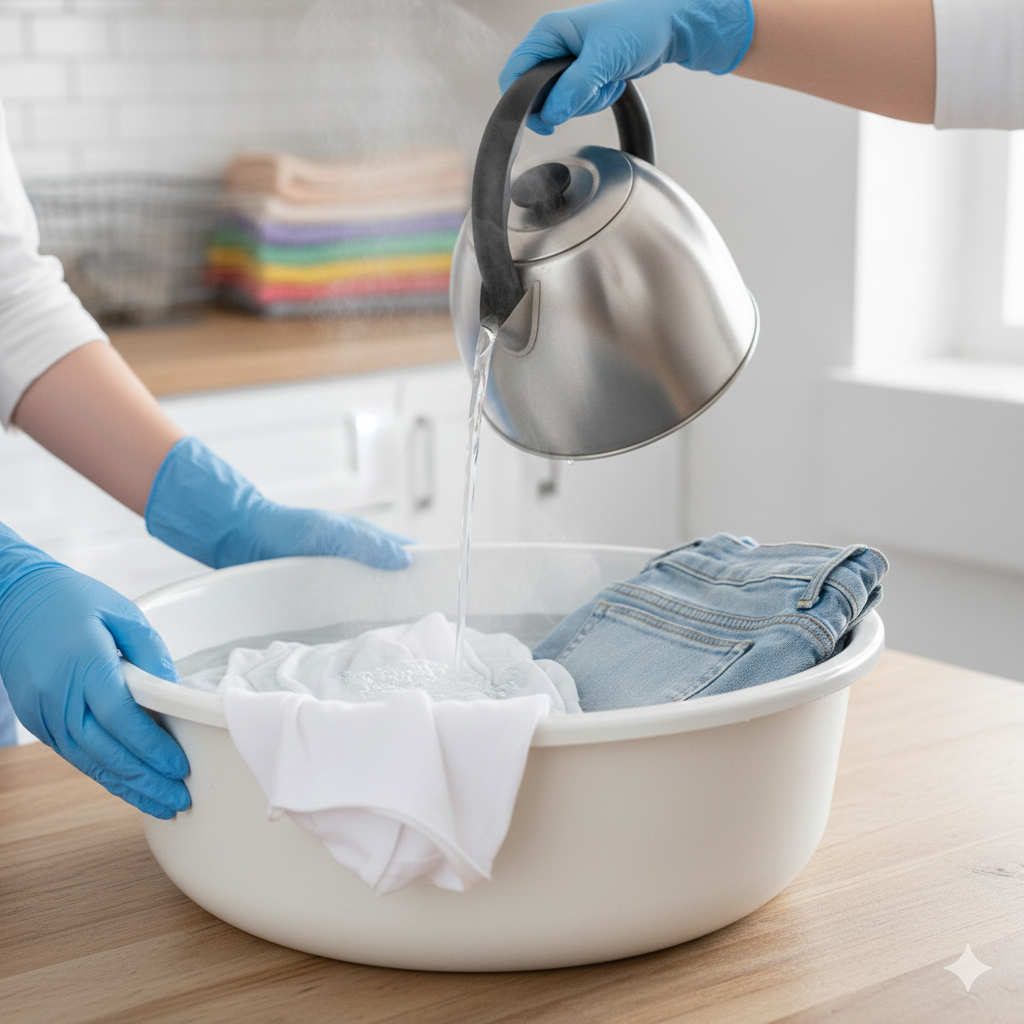
Clothes that have lost their luster can benefit from a quick revitalizing treatment using boiling water. Certain fabrics can become refreshed, and stains can be diminished with this simple method.
How to Use:
- Fill a basin with boiling water.
- Add a small amount of laundry detergent or baking soda.
- Submerge the clothes and allow them to soak for 15-20 minutes.
- Rinse with cold water and let them air dry.
This trick works particularly well for white linens and faded clothes, returning them to their original brightness.
Conclusion
Boiling water is a humble yet powerful tool in the home, with uses that extend far beyond the kitchen. From cleaning stubborn stains to maintaining your garden, the possibilities are endless.
By incorporating these methods into your regular household routine, you can save time, reduce the need for chemical cleaners, and create a healthier living environment.
Read the original article in Crafting Your Home.