10 Thrilling Lesser-Known Olympic Sports You Didn’t Know Existed
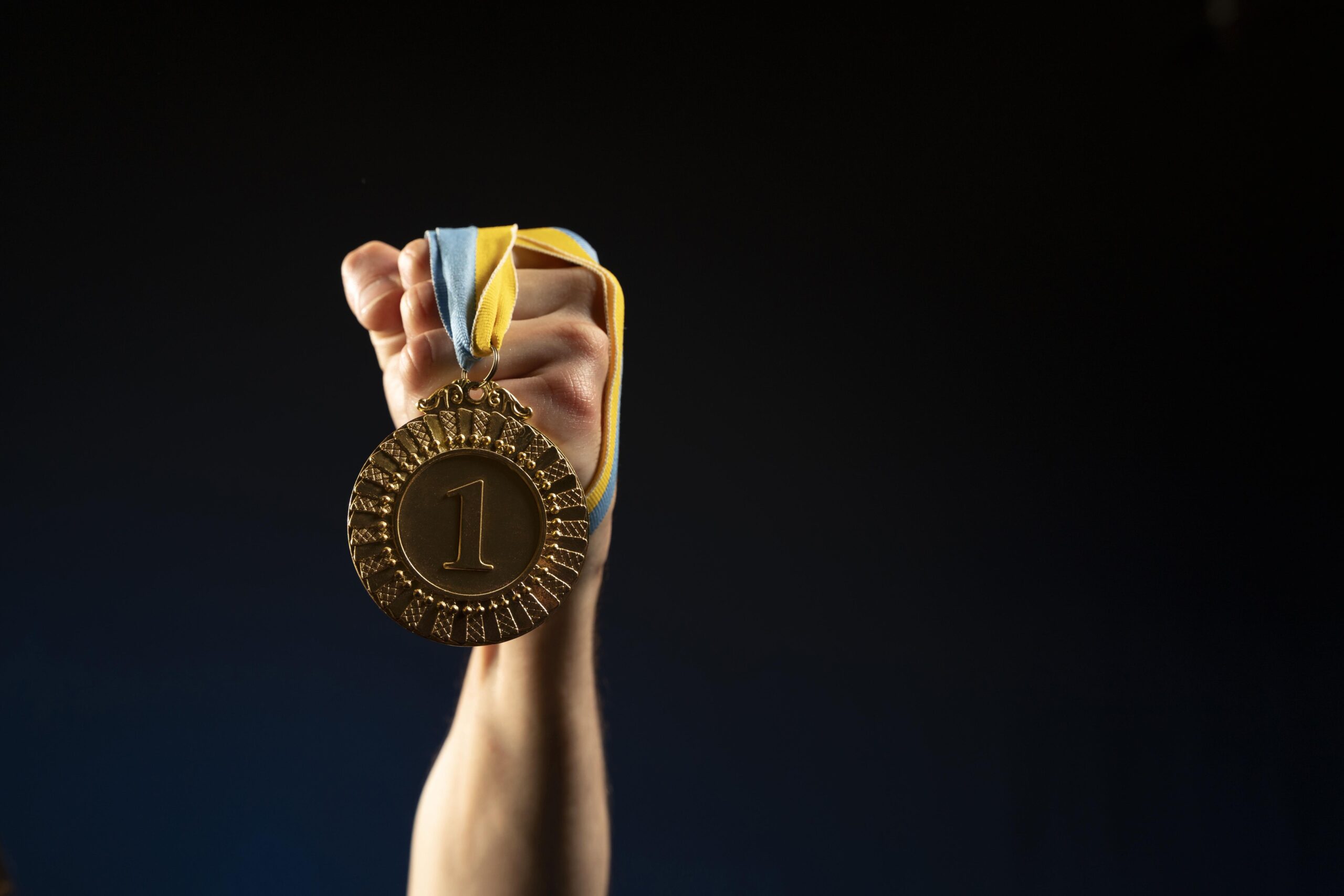
The Olympics are often synonymous with mainstream sports like gymnastics, swimming, and athletics. However, beyond the well-known events, a wide array of obscure and thrilling sports also take center stage, offering new and exciting experiences for both athletes and viewers alike.
These sports, while not always in the global limelight, have a unique charm and passionate followings.
Skateboarding
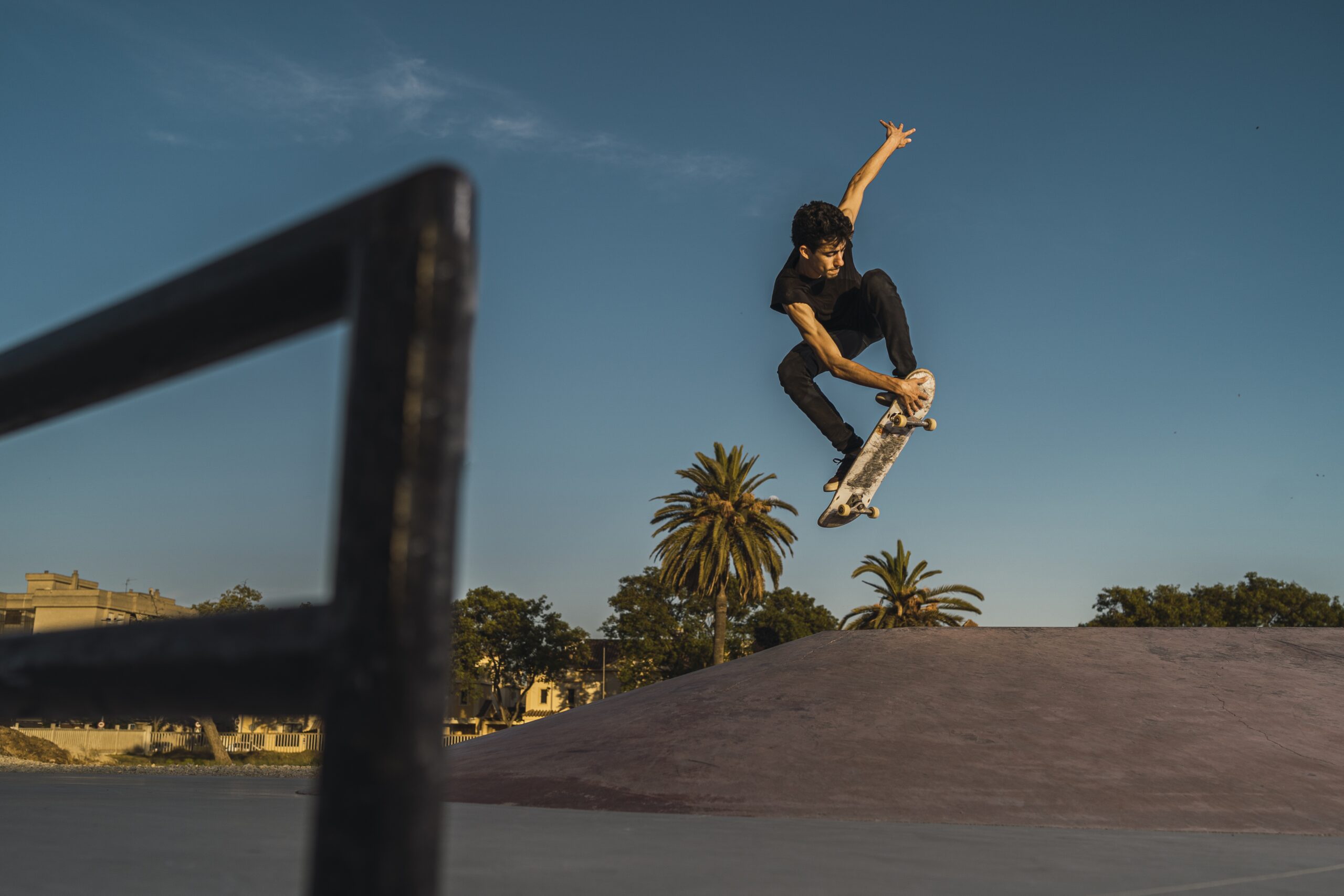
Skateboarding made its debut in the Olympics at the Tokyo 2020 Games, and it was nothing short of revolutionary.
Initially born in California in the 1950s, skateboarding has grown from a subculture of surfers to a mainstream sport with a worldwide fanbase. In the Olympic setting, skateboarders perform incredible tricks across two main disciplines: street and park.
- Street involves navigating urban-like obstacles such as stairs, rails, and curbs, mimicking real-world street environments.
- Park features athletes flying through a bowl-shaped course, showcasing aerial tricks that defy gravity.
Badminton
Badminton is often seen as a recreational backyard sport, but it’s far more intricate at the Olympic level. With origins in ancient Asia, badminton became a formal competitive sport in Europe during the 19th century.
The game involves two players (singles) or two teams (doubles) who battle it out to land a shuttlecock across a net.
Marathon Swimming
Marathon swimming is an Olympic sport that tests endurance and mental toughness. Athletes compete in a grueling 10-kilometer open-water race, often in unpredictable environments such as oceans, lakes, or rivers.
This sport has been part of the Olympic program since 2008 and has become one of the most exciting and unpredictable events.
The most fascinating aspect of marathon swimming is the need to navigate natural water conditions. Athletes must contend with waves, currents, and even weather fluctuations while maintaining a consistent pace.
Sport Climbing
Sport climbing made its Olympic debut in Tokyo 2020, capturing the imagination of sports fans worldwide. Derived from traditional rock climbing, sport climbing tests an athlete’s speed, strength, and problem-solving abilities on artificial climbing walls.
The competition format at the Olympics combines three disciplines: bouldering, lead climbing, and speed climbing. Competitors earn points for each event, with the overall champion being the athlete with the lowest combined score.
Handball

Handball is a dynamic, fast-paced sport that blends soccer and basketball on a smaller court. It was introduced to the Olympic Games in 1936 for men, and later added for women in 1976. Today, it is a thrilling event with high-scoring matches and intense team play.
Teams of seven players compete to score by throwing a ball into the opposing team’s net, much like soccer.
Roller Speed Skating
Roller speed skating, often overlooked in mainstream discussions, brings high-speed excitement to the Olympic Games.
Athletes reach speeds of up to 31 miles per hour as they race on a variety of surfaces, including indoor rinks and closed outdoor circuits.
The sport’s Olympic journey began with roller hockey demonstrations in 1992, and skateboarding’s success at the Tokyo Games has fueled further interest in bringing roller skating to the international stage.
Ski Mountaineering
Ski mountaineering (often referred to as skimo) is an Olympic sport making its comeback in the Milano Cortina 2026 Winter Games.
This discipline challenges athletes to ascend snow-covered mountains before skiing back down, combining both uphill and downhill skills.
Ski mountaineering originated in the 19th century, gaining recognition as athletes used skis to navigate difficult alpine terrain. The sport made its Olympic debut in the early 20th century but was removed after 1948.
Surfing
Surfing, a sport synonymous with the beaches of Hawaii, made its Olympic debut at the Tokyo 2020 Games. Surfers compete in shortboard events, where they perform tricks and maneuvers on waves.
The sport’s inclusion in the Olympics reflects its widespread global popularity, with over 25 million enthusiasts worldwide.
Tsurigasaki Beach in Japan played host to the Olympic surfing competition, where surfers showcased their ability to ride the natural waves.
Breakdancing
Breakdancing, or “breaking,” is set to debut as an official Olympic sport at the Paris 2024 Olympics.
Born in the streets of New York City during the 1970s, breaking has become a global phenomenon, with dancers showcasing incredible agility, balance, and creativity.
The Olympic format will see 16 male and 16 female dancers compete in solo battles, judged on criteria such as technique, creativity, and performance.
Futsal
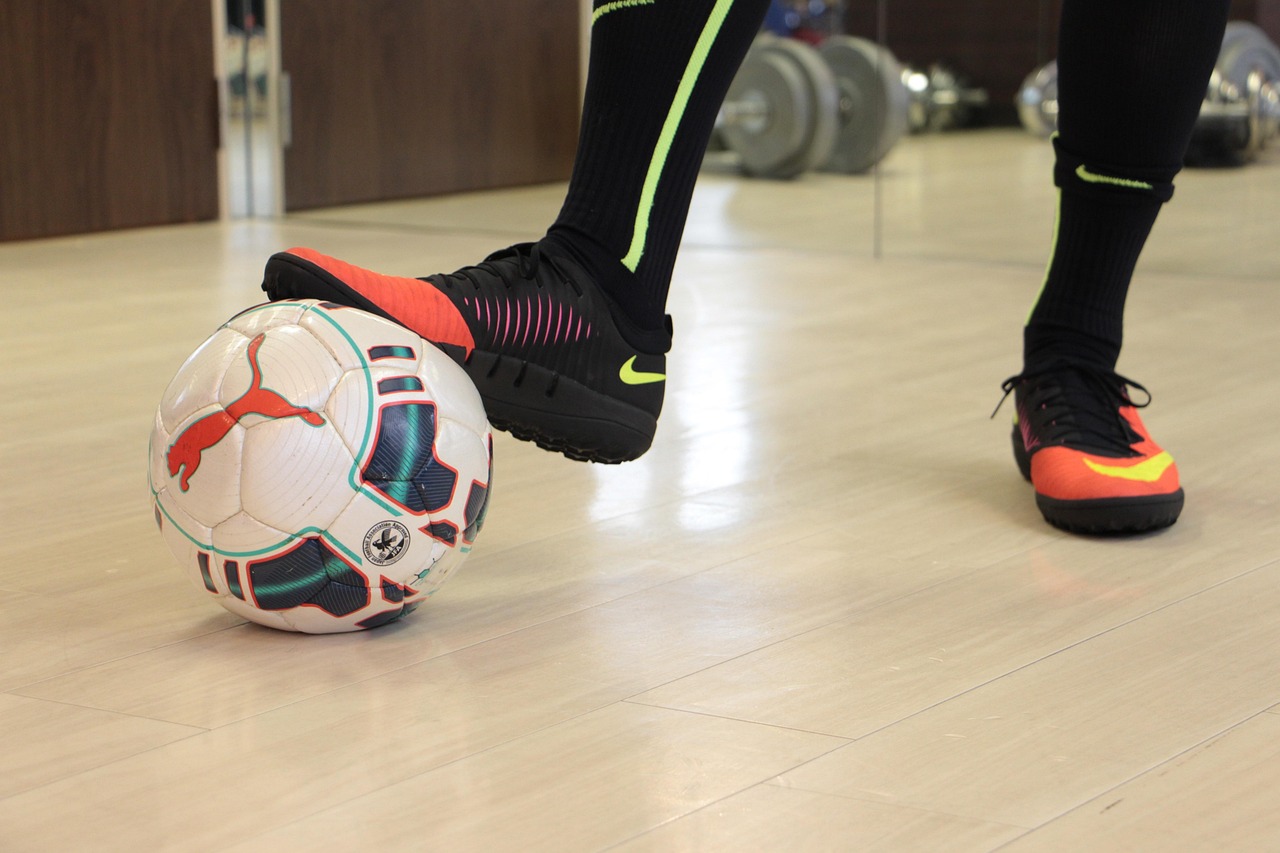
Futsal, a variation of soccer played indoors on a basketball-sized court, has seen significant growth in popularity.
Developed in Uruguay during the 1930s, futsal was designed to keep players in shape during the off-season. Its fast-paced nature and emphasis on skill development make it a breeding ground for talent in traditional soccer.
Despite its widespread popularity, futsal has not yet made it to the Olympic Games. However, its presence at events like the 2018 Youth Olympics has sparked discussion about its potential inclusion in the Olympics.
Conclusion
These 10 lesser-known Olympic sports are shining examples of athletic excellence that often go unnoticed by the casual fan. From the precision of badminton to the exhilarating speed of roller speed skating, each sport offers a unique and captivating experience.
As the Olympics continue to evolve, these sports are expected to gain even more attention, showcasing the diverse talents and abilities of athletes from around the world.
Whether you’re a seasoned fan or a newcomer to the Games, these sports are worth watching and celebrating at every Olympic Games.