10 Surprising Superpowers of Women Revealed by Science

Women have long been admired for their strength, resilience, and unique abilities. However, many of the superpowers women possess are only now being fully understood by science.
From a sharper sense of danger to unparalleled multitasking abilities, women’s physiological and psychological traits set them apart in fascinating ways. In this article, we delve deep into the incredible, science-backed capabilities that define women as extraordinary beings.
Superior Multitasking Abilities

One of the most remarkable abilities women exhibit is their aptitude for multitasking. Numerous studies have shown that women excel in managing multiple tasks simultaneously. Research conducted by UK psychologists in 2013 found that women perform better on tasks that require rapid switching between activities. In a series of experiments, women consistently outperformed men when required to juggle multiple activities, such as solving math problems while navigating a map or answering phone calls.
This multitasking skill can be traced back to evolutionary factors. Women, especially those in ancient times, were often responsible for managing household tasks, nurturing children, and maintaining social connections simultaneously. This evolved ability to process multiple streams of information efficiently continues to serve them well today, whether at home, in the workplace, or in social situations.
Enhanced Sense of Danger
Women’s heightened sensitivity to potential threats is another evolutionary trait. A 2012 study published by Kyoto University explored how women were better at detecting dangerous animals, particularly snakes, during the luteal phase of their menstrual cycle (the phase following ovulation). Researchers found that women were quicker to identify these threats than men, possibly because of higher progesterone levels.
This heightened sense of danger is not just a coincidence—it may have developed as a protective mechanism. In ancient times, women needed to be especially aware of potential threats, especially during pregnancy, when their vulnerability was higher. This trait continues to benefit women, helping them protect themselves and their offspring in today’s world.
The Power of Empathy Under Stress
When faced with stressful situations, women exhibit a unique form of empathy. Research published in Psychoneuroendocrinology in 2014 found that, rather than becoming isolated under stress, women tend to seek social support and connect more deeply with others. This is in stark contrast to men, who often withdraw or become more self-focused when stressed.
The key to this response lies in hormonal differences. High levels of oxytocin, a hormone linked to bonding and social interaction, are present in women when under stress, promoting empathy and helping them reach out for support. This heightened emotional awareness may have evolved to help women in nurturing roles and strengthen social bonds, ensuring the survival of families and communities.
Incredible Color Perception
Women are often better at distinguishing colors than men. According to a study by Israel Abramov, a researcher in human vision, women can discern a wider range of hues and subtle color differences. While men are typically better at detecting motion, women excel in perceiving color variations, a trait that may have evolved to help them identify edible plants and safe food sources while men were hunting.
Even more fascinating is the phenomenon of “tetrachromacy.”
This rare condition allows some women to see up to 100 million different colors, compared to the standard 1 million hues most people can perceive. This extraordinary ability stems from the presence of four types of cone cells in the retina, rather than the typical three. The first documented tetrachromat was discovered in 2007, but scientists believe many more women may possess this remarkable trait.
Enhanced Immune Systems

Women’s immune systems are biologically stronger than men’s, a fact confirmed by several studies. Women’s dual X chromosomes contribute to their ability to fight off infections more efficiently. The presence of microRNA, a molecule that regulates gene expression, is higher in women, boosting their immune response.
A study from Ghent University also showed that women’s immune systems age more slowly, which could explain their longer life expectancy compared to men. Additionally, estrogen has been shown to prevent the production of certain enzymes that hinder the body’s immune response, making women better equipped to fend off diseases.
The Ability to Detect Cheaters
Women possess an uncanny ability to detect infidelity. A study conducted by Australian researchers revealed that women were able to identify cheating men with an accuracy rate of 62%, simply by looking at their photographs. This skill is believed to be rooted in evolutionary biology, as women may be more sensitive to potential threats to their relationships and offspring, particularly in the context of resource-sharing.
Interestingly, men in the same study performed poorly, mistakenly identifying women as unfaithful 77% of the time. This discrepancy highlights the specialized skills women have developed to navigate complex social interactions and ensure their families’ well-being.
The Science of Morning Sickness
Morning sickness, a common symptom of pregnancy, may serve an important evolutionary purpose. Studies led by Paul Sherman and Samuel Flaxman suggest that the nausea and vomiting experienced during early pregnancy are a defense mechanism. The body reacts strongly to foods that may harbor harmful toxins or parasites, particularly in meat and fish, which could harm the developing fetus.
Interestingly, the severity of morning sickness correlates with a lower risk of miscarriage. Women who experience more intense morning sickness tend to have healthier pregnancies, as their bodies are better able to protect the fetus from harmful substances in the early stages of development.
Obstetrical Orgasms: A Surprising Phenomenon
While childbirth is typically associated with pain, some women experience orgasms during labor. This surprising phenomenon, known as obstetrical orgasm, has been documented in various studies. A 2013 survey of midwives revealed that a significant number of women reported experiencing orgasmic sensations during childbirth.
Although the sensation is not universal, it can be explained by the stimulation of erogenous zones during labor. The intense physical sensations of childbirth, combined with hormonal changes, can create an environment in which some women experience pleasure instead of pain. This phenomenon is still not fully understood, but it adds another layer of complexity to the childbirth experience.
Enhanced “Gaydar” During Ovulation
Women have a heightened ability to detect the sexual orientation of men, a phenomenon known as “gaydar.” Studies have shown that ovulating women are particularly adept at identifying homosexual men based on their physical appearance. Researchers from the University of Toronto found that women who were in their most fertile phase were better able to identify men’s sexual orientation than those who were not.
This ability is thought to be an evolutionary adaptation that helps women make better mate choices during their fertile period. By distinguishing between homosexual and heterosexual men, women could focus their reproductive efforts on selecting the best genetic material for offspring.
Women’s Tears Have a Powerful Effect on Men
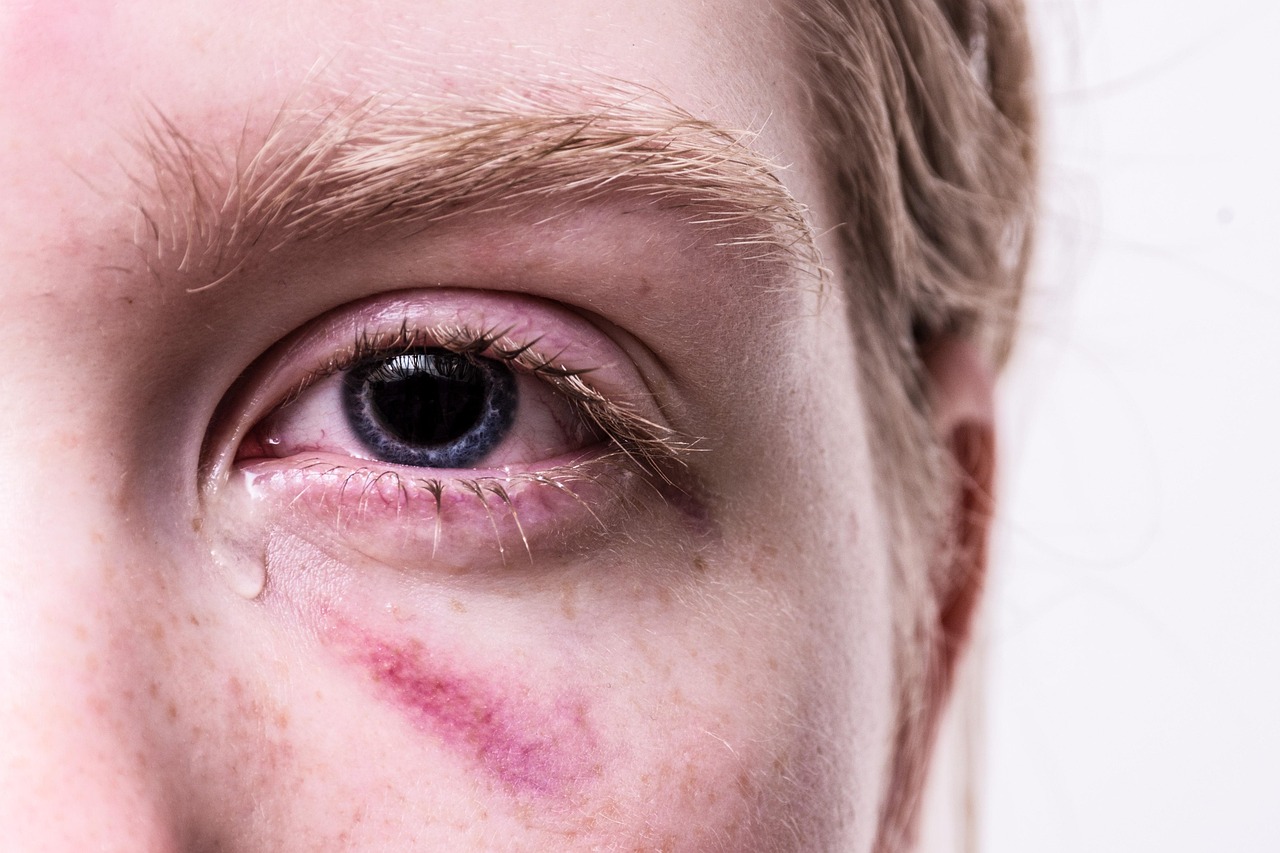
It turns out that women’s tears can influence men’s behavior in surprising ways. A 2011 study found that the chemical composition of emotional tears reduces the sexual arousal of men. When exposed to tears, men’s testosterone levels dropped, leading them to rate women as less attractive.
This phenomenon is thought to have an evolutionary basis. Women are more likely to cry when they are less fertile, signaling to potential mates that they are not in a prime reproductive state. This may have served as a way for women to manage their relationships and mate selection throughout history.
Women possess a range of extraordinary abilities, many of which are backed by scientific research. These superpowers, from heightened empathy and multitasking abilities to improved immune function and color perception, illustrate the incredible complexity of female biology. As science continues to uncover more about the female body and mind, we can only expect more revelations that will further highlight the remarkable strength and resilience of women.
Key Takeaway
Women possess a variety of extraordinary abilities…such as superior multitasking, heightened empathy under stress, and a stronger immune system…that are not only remarkable but also backed by scientific research.
These traits reveal the unique strengths and resilience of women, highlighting the complexity and adaptability of female biology.
Original Article on Crafting Your Home