10 Surprising Foods That Can Lead to Bad Dreams and Disturbed Sleep

Have you ever wondered why you wake up in the middle of the night with vivid, unsettling dreams after eating a particular snack? While stress, medications, and even sleep disorders can trigger nightmares, the foods you consume before bed play a significant role in influencing your sleep quality. That seemingly innocent bowl of ice cream or those crunchy potato chips might be causing more than just a restless night.
In this article, we will explore 10 common foods that could potentially lead to bad dreams. By understanding their impact on your sleep, you can make more informed choices that lead to better, more peaceful rest.
How Your Diet Affects Sleep
Before diving into the specific foods that may cause nightmares, it’s important to understand the role diet plays in your sleep cycle. During the night, your body goes through several stages of sleep, with REM sleep being the phase most closely associated with vivid dreaming. Disruptions in sleep patterns, especially during this stage, can lead to fragmented sleep and the onset of nightmares.
Spicy Foods

Spicy foods, particularly those with hot sauces, are notorious for disrupting sleep. Studies have shown that spicy dishes can raise your body temperature, which, in turn, interferes with your ability to fall into a deep sleep. When your body is working overtime to process the heat from spicy ingredients, your brain remains more alert, making it harder to experience restorative sleep.
Moreover, spicy foods can increase your heart rate and activate the sympathetic nervous system, which can trigger anxiety and restlessness. These changes may lead to nightmares and vivid, unsettling dreams. If you’re prone to bad dreams, it’s best to avoid spicy foods, like hot wings or chili, at least a few hours before bedtime.
Sugary Snacks
We’ve all heard that sugar can negatively impact our overall health, but it can also disrupt our sleep. High-sugar foods like cookies, cakes, and candies have been linked to increased brain activity, which can disturb your ability to fall into a deep, restful sleep. This heightened activity during sleep can cause vivid, sometimes disturbing dreams.
Dairy Products
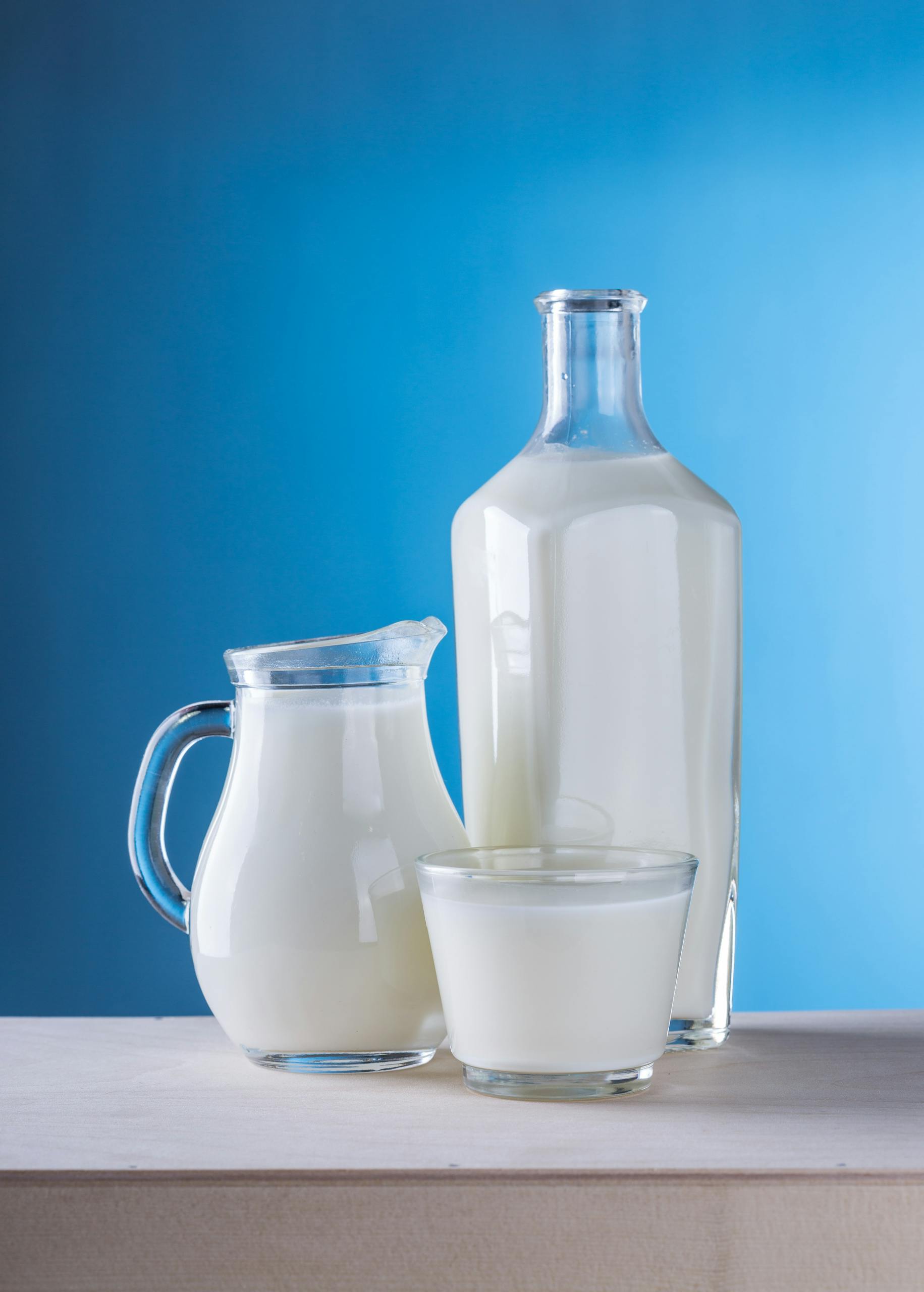
Cheese, particularly varieties like Stilton, has long been associated with bizarre dreams. In fact, a study conducted by the British Cheese Board found that 44% of participants who ate cheese before bed reported experiencing strange or disturbing dreams. But what’s the science behind this?
Sweet Dressings and Sauces
While you might think that a light salad is a healthy choice for dinner, certain salad dressings can contain hidden sugars that disrupt your sleep. These sweet dressings can raise blood sugar levels, making it harder for your body to fully relax during sleep. As a result, you may experience more vivid or disturbing dreams.
Carbs
Carbohydrates are a vital part of our diet, but consuming them too close to bedtime can have negative effects on your sleep. Foods like pasta and bread can raise your blood sugar levels, potentially disrupting your sleep cycle. In a study involving pasta consumption, participants who ate carbohydrates before bed reported more disturbing dreams than those who consumed other foods.
Fried Foods

Fried foods, including favorites like french fries and potato chips, are another common offender when it comes to disturbing dreams. These foods are high in fat and can slow down your digestion, preventing your body from fully relaxing during the night. As a result, you may wake up throughout the night or experience vivid nightmares.
Soda
Soda, while not a food, is one of the worst culprits when it comes to triggering nightmares. Many sodas contain caffeine, which can stimulate the brain and prevent it from fully relaxing during sleep. Additionally, the sugar content in sodas can spike blood sugar levels, further disturbing your sleep cycle.
Chocolate
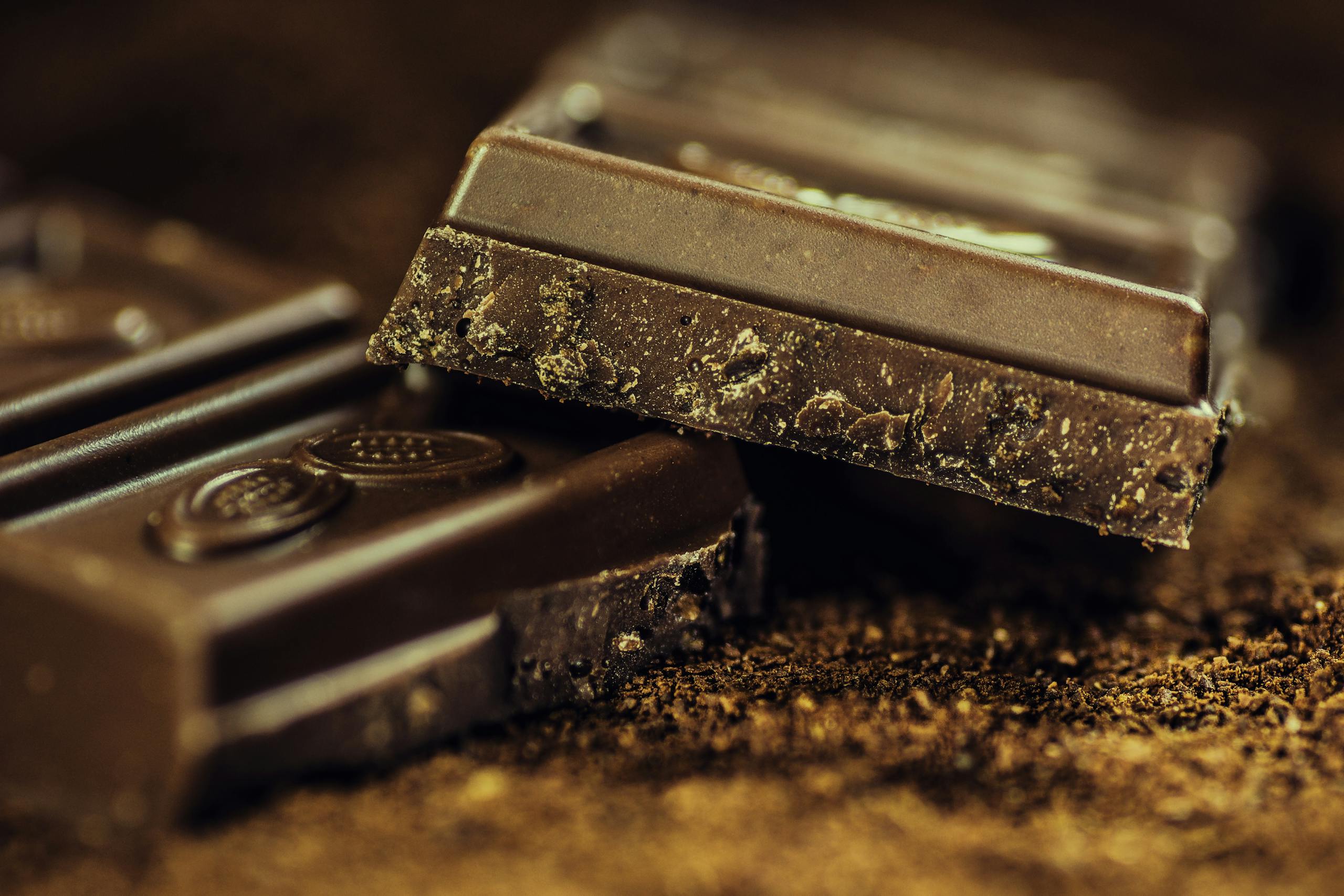
Chocolate is a beloved treat, but it can disrupt your sleep in ways you might not expect. Like soda, chocolate contains caffeine, which can keep you awake and stimulate your brain. Dark chocolate, while packed with antioxidants, can still disrupt your sleep cycle, leading to restless nights and vivid, unsettling dreams.
Ice Cream
Ice cream, with its high sugar and fat content, can be a major sleep disruptor. When eaten late at night, ice cream sends a rush of sugar into your bloodstream, causing an energy spike that makes it harder for you to relax and sleep peacefully. This disruption in your sleep cycle can lead to nightmares or vivid dreams.
Conclusion
The foods you consume before bed play a crucial role in the quality of your sleep and the nature of your dreams. While it’s tempting to indulge in a late-night snack, it’s essential to understand the potential consequences these foods can have on your sleep cycle.
From spicy foods and sugary snacks to fried foods and dairy products, many common nighttime treats can disrupt your sleep and lead to disturbing dreams. By making smarter food choices, such as avoiding these nightmare-inducing foods before bed, you can improve your sleep quality and enjoy more peaceful, restful nights.
If you’re struggling with frequent nightmares or poor sleep quality, consider adjusting your evening meals and snacks. Opt for lighter, healthier options that are less likely to interfere with your sleep cycle. With a bit of mindfulness, you can ensure that your sleep is both restful and dream-filled in the best possible way.
Read the Original Article on Crafting Your Home