10 Surprising Airplane Facts You Never Knew
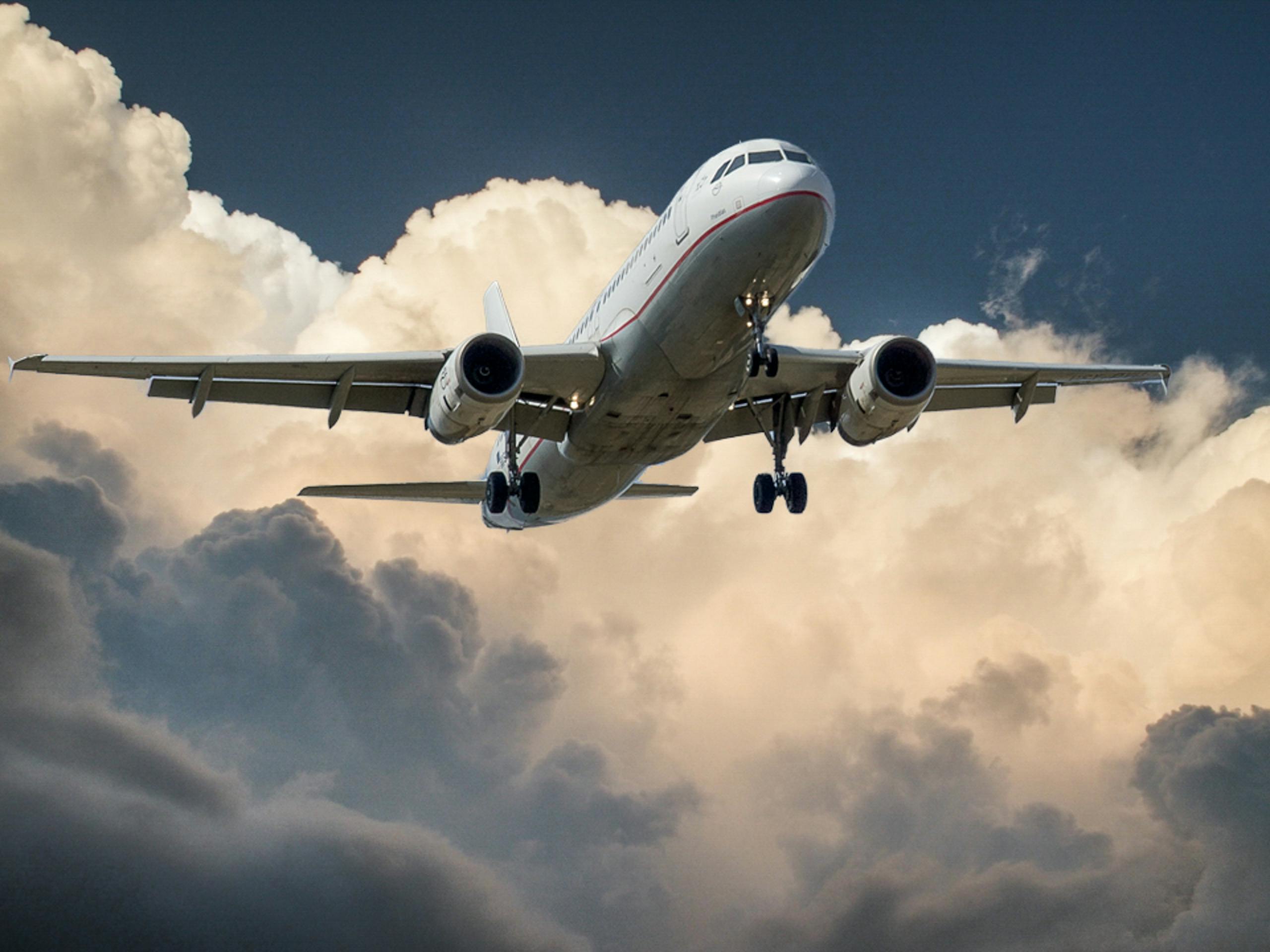
Flying is usually seen as the quickest and most efficient way to travel, but there are some shocking truths about airplanes that might make you rethink your next flight. Whether it’s the cleanliness of the plane, the safety of the seat you choose, or the dangers of the food you eat, air travel isn’t always as safe or as comfortable as we’d like to believe.
In this article, we’ll explore 10 shocking facts about airplanes that could make you nervous, but will definitely leave you more informed.
The Safest Seat on a Plane Might Surprise You
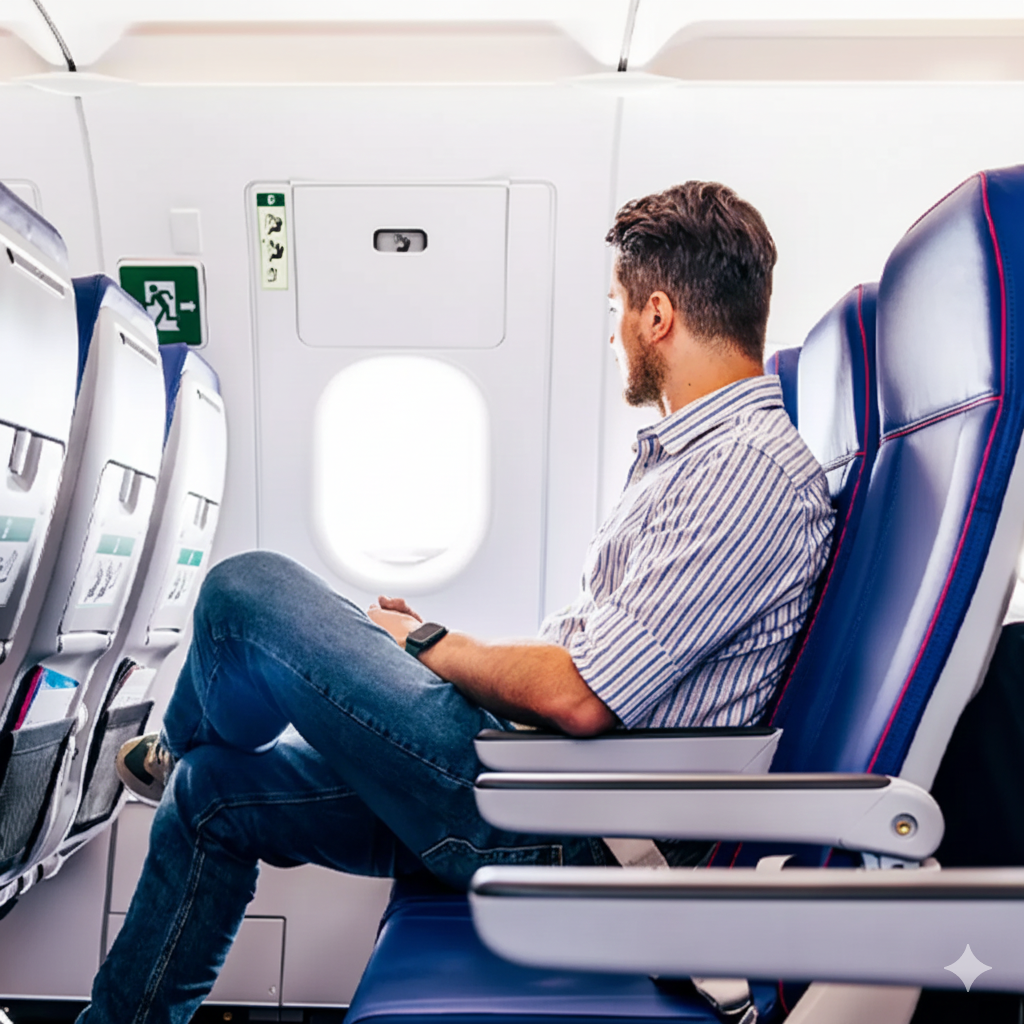
Many people assume that sitting near the front of the plane is the safest place in case of an emergency. However, the truth is more complicated. While no seat is guaranteed to be completely safe, studies suggest that sitting in the back of the plane might be safer.
Research has shown that passengers sitting near the rear tend to have lower fatality rates in crashes compared to those in the middle or front. But remember, the type of crash and other factors can make a huge difference, so there’s no seat that’s always the safest.
Airplane Trays Are More Dangerous Than the Toilet
You’ve probably heard that airplane bathrooms are dirty, but did you know that the trays on your seat are even worse? Studies show that airplane tray tables can have up to 8 times more bacteria than the toilet flush handle.
This is because cleaning staff have limited time to clean between flights, and the trays aren’t cleaned as thoroughly as other areas. So, if you’re planning to eat on the plane, it’s a good idea to wipe down your tray with disinfecting wipes first.
Airplane Blankets Are Not as Clean as You Think

Pilots Sometimes Fall Asleep While Flying
It’s hard to believe, but some pilots admit to falling asleep during flights. A survey revealed that 40% of UK pilots admitted to dozing off at the controls. While pilots are trained to always have one person awake in the cockpit, fatigue is still a serious problem.
Thankfully, most modern aircraft are equipped with technology to keep the plane on course even if the pilot falls asleep. But this still raises serious concerns about aviation safety.
A Plane Can Fly with Only One Engine
Air Turbulence is Becoming More Common
If you’ve ever been shaken up by turbulence mid-flight, you’re not alone. But experts say that turbulence is only going to get worse. Climate change is expected to cause more turbulent weather, especially over North America and Europe.
This means that turbulence could increase dramatically in the future, making air travel even more uncomfortable for passengers. In fact, the economic cost of turbulence is already a huge concern for airlines and is expected to rise as turbulence becomes more frequent.
Airplane Water Is Not Always Safe to Drink
Airplane Food Could Have Been Cooked Days Before
Airplane food is often bland and unappetizing, but there’s a more disturbing reason why it tastes bad. In many cases, the food served on airplanes has been prepared days before it’s served to passengers.
In fact, food can be cooked anywhere from 12 to 72 hours before you eat it. On top of that, food preparation facilities have been found with pests, mold, and other health hazards, making airplane food even less appetizing. If you’re not keen on airplane meals, it might be a good idea to bring your own snacks.
You Have Only 90 Seconds to Escape a Burning Plane
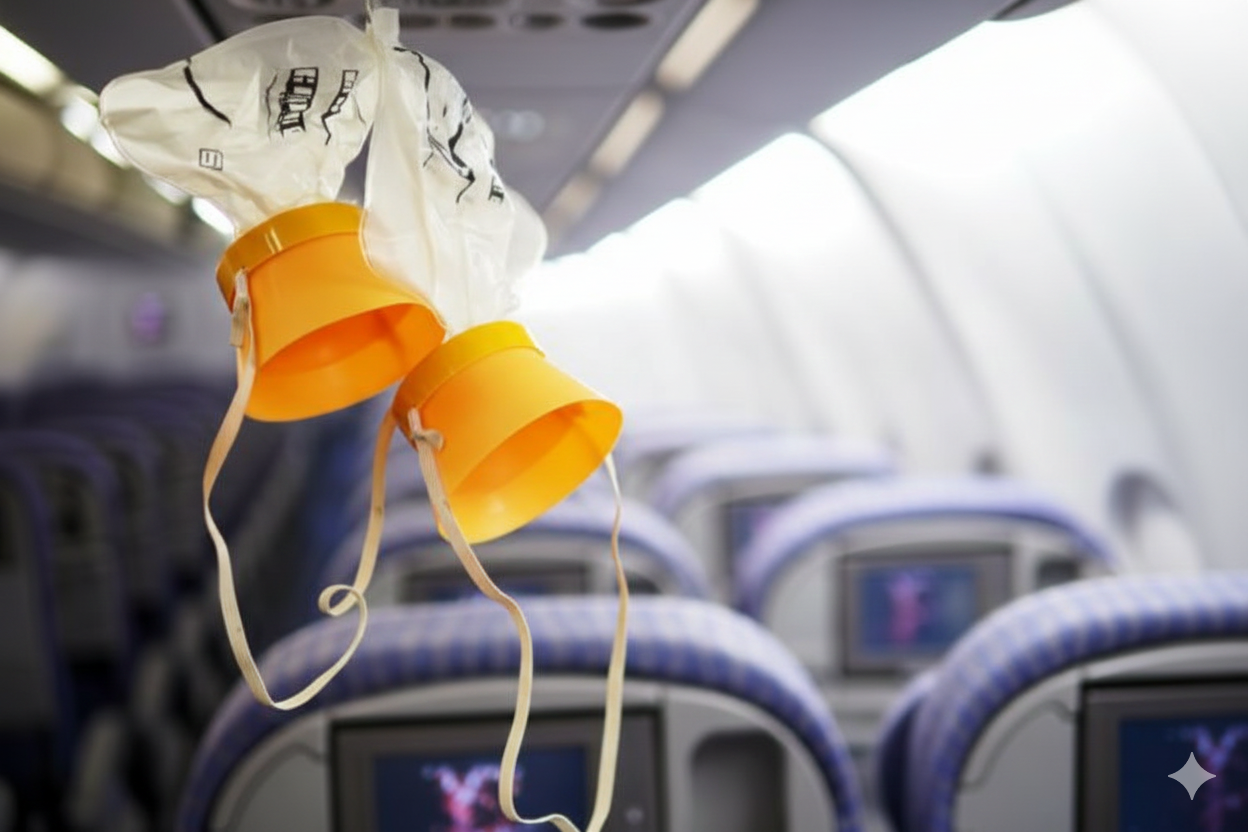
Oxygen Masks Will Only Last 12 to 20 Minutes
Conclusion
Flying might be the fastest way to travel, but it comes with its fair share of risks and discomforts. From dirty tray tables to surprising facts about airplane safety, there’s a lot about air travel that isn’t commonly known. While it’s important to remember that the overall chances of something going wrong are low, these facts serve as a reminder that air travel is not as perfect as it seems.
Knowing these shocking facts can help you be better prepared for your next flight and might even make you more cautious about what you touch and eat while in the air. At the end of the day, flying is still one of the safest modes of transportation, but being informed will only make your flying experience better.