10 Spider-Inspired Innovations That Will Blow Your Mind
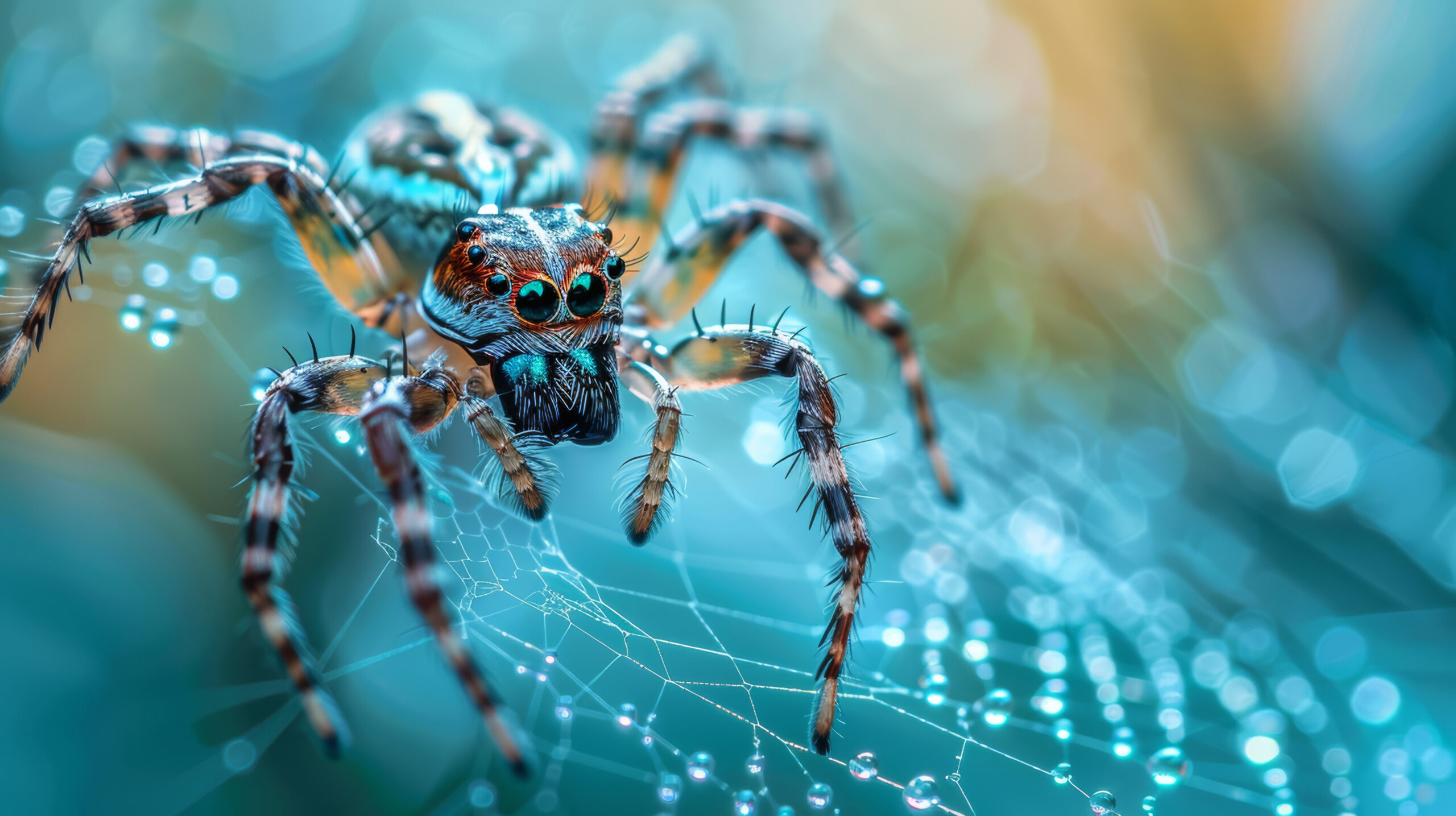
Close-up of a spider in a dewy web, nature's engineer
Spiders, often regarded with fear and revulsion, have long served as a source of inspiration for innovation.
Despite their creepy-crawly nature, these eight-legged creatures possess extraordinary abilities that have sparked the development of cutting-edge technologies.
From advanced medical treatments to revolutionary materials, humans are learning to harness spiders’ powers in ways that could change the world. In this article, we explore 10 groundbreaking innovations inspired by spiders, highlighting how these creatures continue to influence modern technology.
Spider Silk
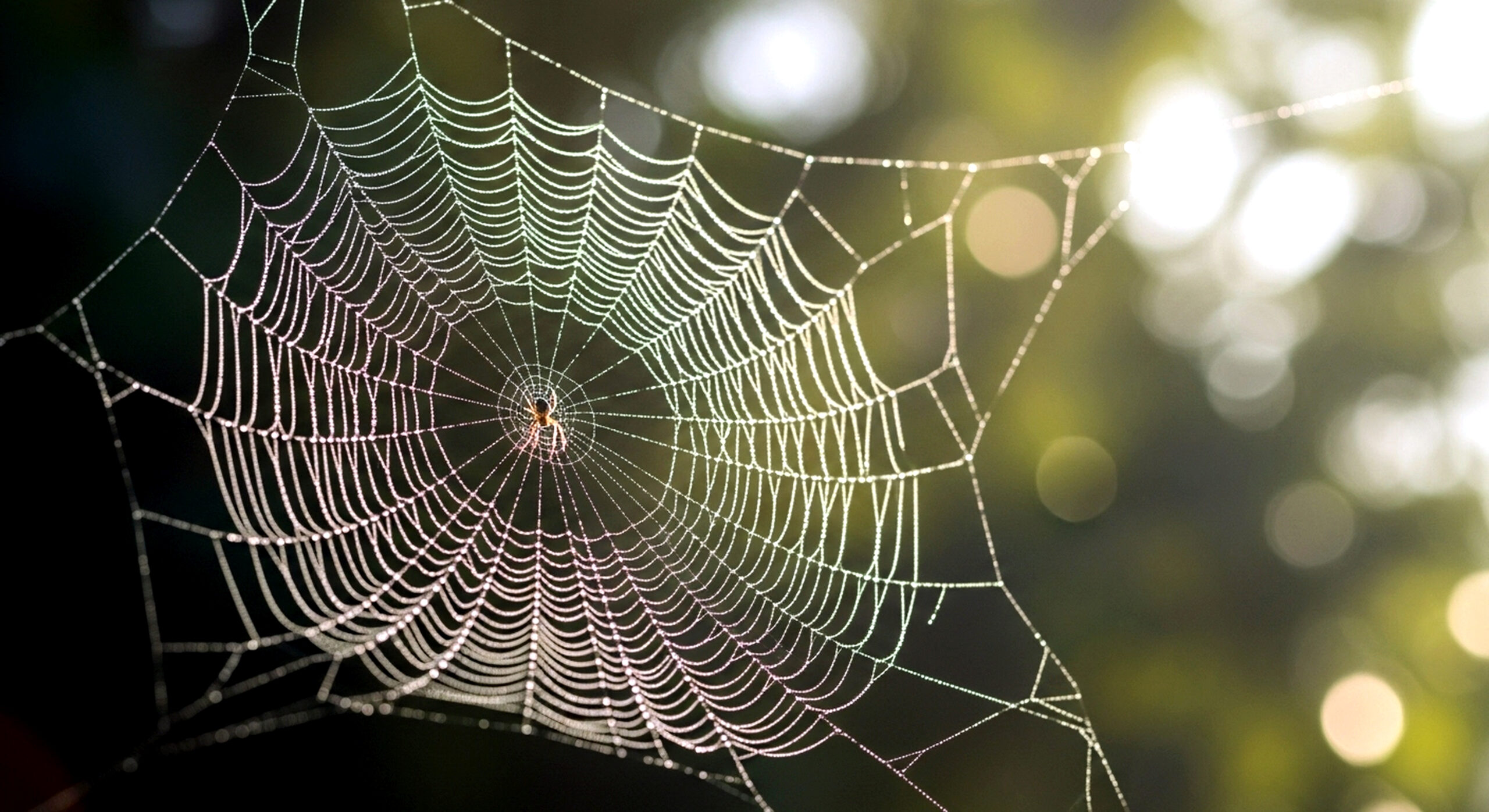
Spider silk has long been regarded as one of the strongest natural fibers known to man. Its unique combination of strength, elasticity, and biodegradability has led to groundbreaking innovations in the medical field.
Researchers have developed surgical materials inspired by spider silk that are not only more effective than traditional sutures and stitches but are also biodegradable, eliminating the need for painful removals.
For instance, a team of scientists at MIT has successfully engineered a surgical tape that mimics the adhesive properties of spider silk. This innovative tape can adhere to wet surfaces, such as skin or the lungs, enabling rapid wound closure and minimizing the risk of infection.
What sets this surgical tape apart is its ability to break down harmlessly as the wound heals, reducing the need for additional medical procedures and providing a more comfortable healing process.
Spider Silk Body Armor
Spider silk is famous for its strength, and scientists are now exploring ways to use it to replace traditional materials in body armor.
Kevlar, the material commonly used in bulletproof vests, has long been the go-to choice for personal protection. However, spider silk offers several advantages that could make it an even better option.
The development of “Dragon Silk,” a synthetic spider silk derived from Golden Orb Weaver spiders, has shown that it is far stronger than Kevlar. In fact, just four layers of Dragon Silk can stop a .22-caliber bullet, whereas 33 layers of Kevlar are required to achieve the same result.
With support from the U.S. Army, researchers are working to mass-produce Dragon Silk, which could eventually replace Kevlar in military and law enforcement applications.
Additionally, researchers at Washington University in St. Louis have engineered a synthetic spider silk made from bacteria.
This artificial silk, known as a polymeric amyloid fiber, exhibits mechanical properties similar to those of natural spider silk and could be used in a variety of applications, including body armor and medical sutures.
Spider Webs in Medical Imaging
Spider silk has also found its way into medical imaging. Researchers at Tamkang and Yang-Ming Universities in Taiwan have developed miniature lenses made from spider silk, small enough to be used inside the human body.
These lenses, crafted from Daddy Long Legs’ dragline silk, enable highly detailed, nanoscale imaging that could revolutionize medical diagnostics.
The lenses are created by draping resin over a spider silk frame and then curing it using ultraviolet light. This process yields a biocompatible lens suitable for non-invasive imaging within the human body.
The ability to perform high-resolution imaging at such a small scale opens new possibilities for detecting diseases and monitoring internal health without invasive procedures.
Spider Venom
One of the more surprising innovations inspired by spiders is the development of a gel derived from spider venom that has been found to have potent effects on erectile dysfunction.
The Brazilian Wandering Spider, known for its venomous bite, has a unique side effect: it can cause prolonged erections in humans bitten by it.
Researchers have isolated the key compound responsible for this effect and used it to develop a gel, known as BZ371, that mimics the spider’s venom.
The gel has been shown to induce erections within 20-30 minutes of application, without the need for sexual stimulation, and without the side effects commonly associated with pharmaceutical treatments like Viagra.
This breakthrough could provide a safer, more natural alternative for those suffering from erectile dysfunction.
Spider-Inspired Robotics
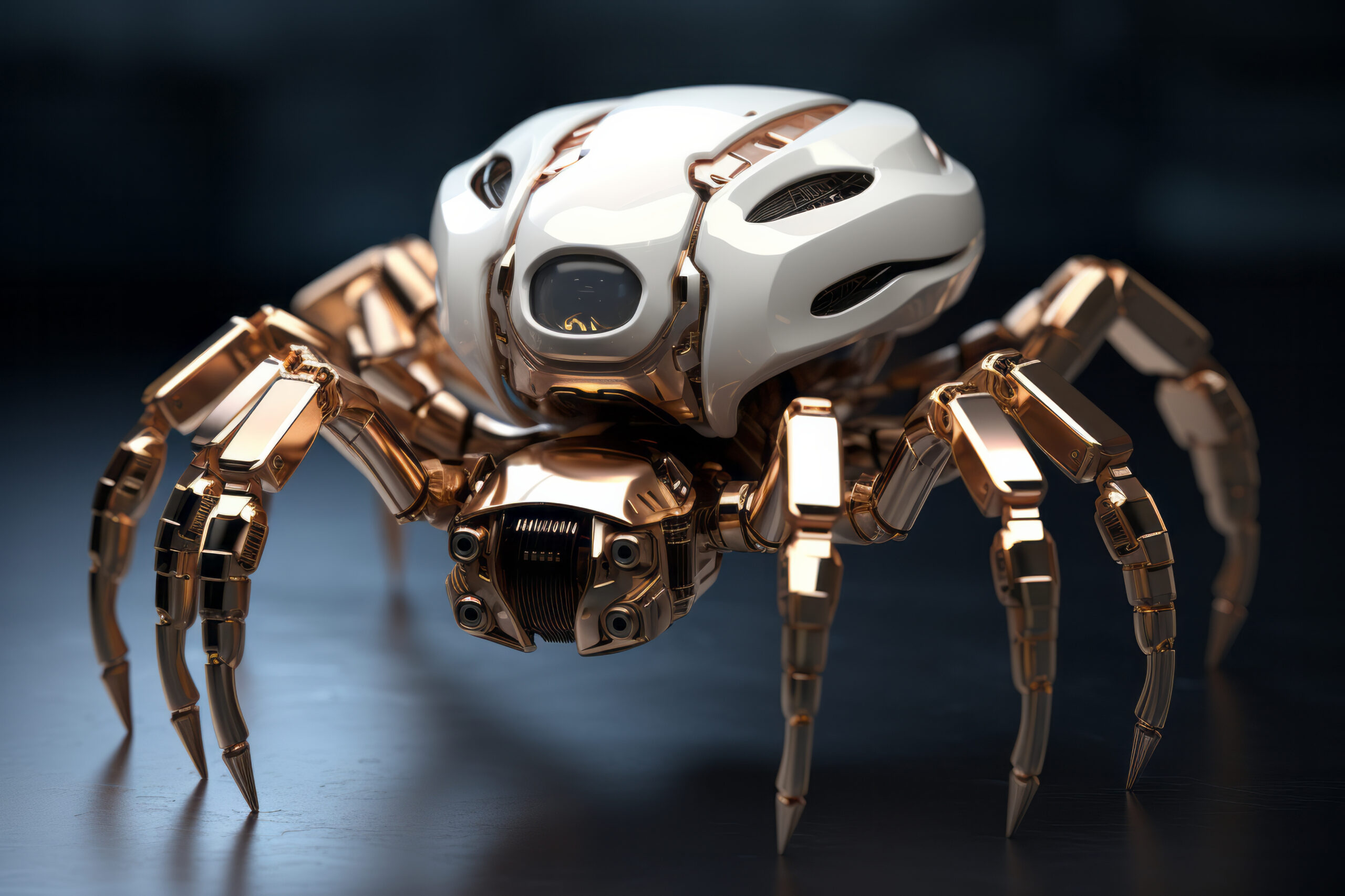
The unique movements of spiders have inspired advancements in robotics, particularly in the development of more efficient and flexible robotic limbs.
Engineers have studied the biomechanics of spider legs to design robots that can replicate their agile movements, resulting in highly functional, adaptable robots.
Spider-inspired robots can move with greater efficiency and flexibility than traditional robots, which are often limited by their joint structures.
These robots are lighter, more compact, and capable of performing tasks that require precision and dexterity, such as assembling delicate components or performing surgery.
The potential applications of spider-inspired robots are vast, ranging from space exploration to advanced manufacturing and medical procedures.
Real-Life Web Shooters
For fans of Spider-Man, the dream of shooting webs and swinging from buildings is now closer to reality than ever before. Engineers have developed real-life web shooters that use compressed gas and custom-designed igniters to launch webs capable of gripping metal surfaces.
One such example comes from JT, a South African mechanical engineer who created a web-shooter as part of a thesis project.
The device uses metal cylinders with hooks that can latch onto bars, allowing the user to swing from one point to another. While it’s not the pretty web-slinging superhero device we’ve all imagined, it’s a step closer to bringing Spider-Man’s iconic abilities to life.
Sustainable Fashion
In the fashion industry, the quest for sustainable materials has led to the development of textiles made from spider silk.
Bolt Threads, a pioneering company in the field of bioengineering, has created a synthetic spider silk called MicroSilk by inserting a spider silk gene into yeast.
This yeast fermentation process produces a protein that can be spun into a silk-like fiber. MicroSilk has already been used by major brands like Adidas to create lightweight, durable apparel.
Additionally, the airline industry has shown interest in using spider silk-based fabrics due to their lightweight properties, which could reduce fuel consumption and environmental impact.
This innovative textile offers a promising alternative to traditional synthetic fibers, which are harmful to the environment and contribute to the growing plastic waste problem.
Tarantula Venom
Tarantula venom, specifically from the Chinese Bird Spider, has been found to contain molecules that could be developed into a powerful new painkiller.
Researchers at the University of Queensland have discovered that these venom molecules can block pain receptors, providing an effective treatment for chronic and neuropathic pain.
Unlike opioids, which come with a range of harmful side effects and addictive properties, tarantula venom-derived compounds offer a potential solution without the risks associated with traditional painkillers.
While research is still in its early stages, this discovery holds great promise for improving the lives of those suffering from chronic pain.
Spider Silk Milk
In an effort to mass-produce spider silk, scientists have turned to genetic engineering. By inserting spider silk genes into goats, researchers have created a breed that produces spider silk proteins in its milk.
This innovation, pioneered by Nexia Biotechnologies, could enable the production of large quantities of spider silk for various applications.
Although the process is still in its early stages, the potential for mass-producing spider silk is immense. Spider silk’s strength and flexibility could be used in everything from medical sutures to aerospace engineering.
The ability to produce spider silk at scale could revolutionize industries that rely on strong, lightweight materials.
Spider Webs and Bird Protection
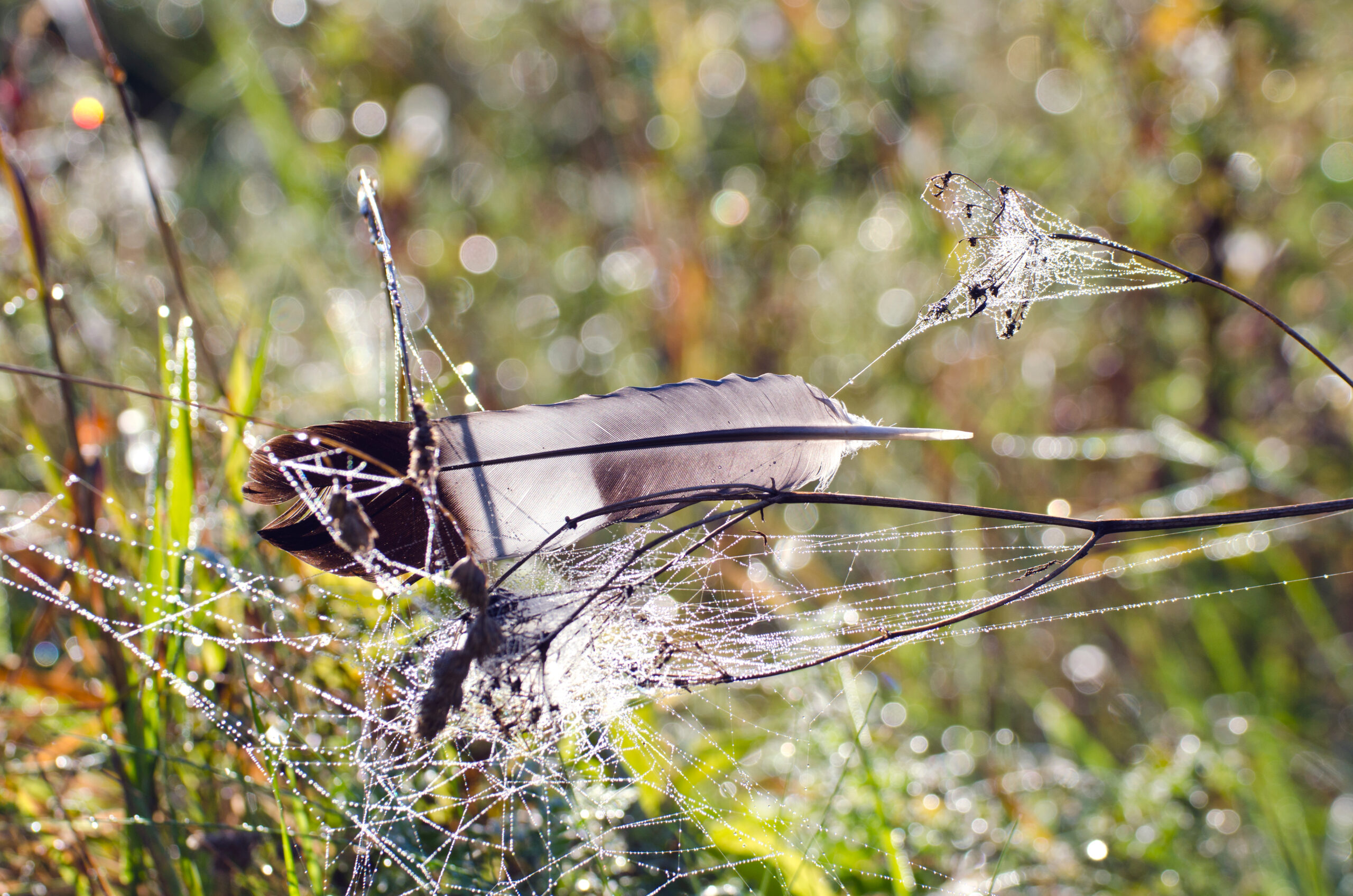
The reflective properties of spider webs have inspired a new type of glass designed to prevent bird collisions.
Birds, which can see ultraviolet light, often cannot see through glass, leading to deadly crashes. However, spider webs reflect ultraviolet light, making them visible to birds.
Researchers have developed a type of glass that mimics the reflective properties of spider webs, providing a solution to the problem of bird collisions with windows.
This innovative glass could be used in buildings, homes, and other structures to reduce bird deaths from window strikes, helping protect wildlife in urban environments.
Conclusion
The ingenuity of spiders continues to inspire human innovation across a variety of fields. From medical advancements to sustainable fashion, these remarkable creatures are proving that even the most unlikely sources of inspiration can lead to groundbreaking discoveries.
As scientists and engineers continue to study spiders, we can expect even more innovations that harness their unique abilities to shape the future.