

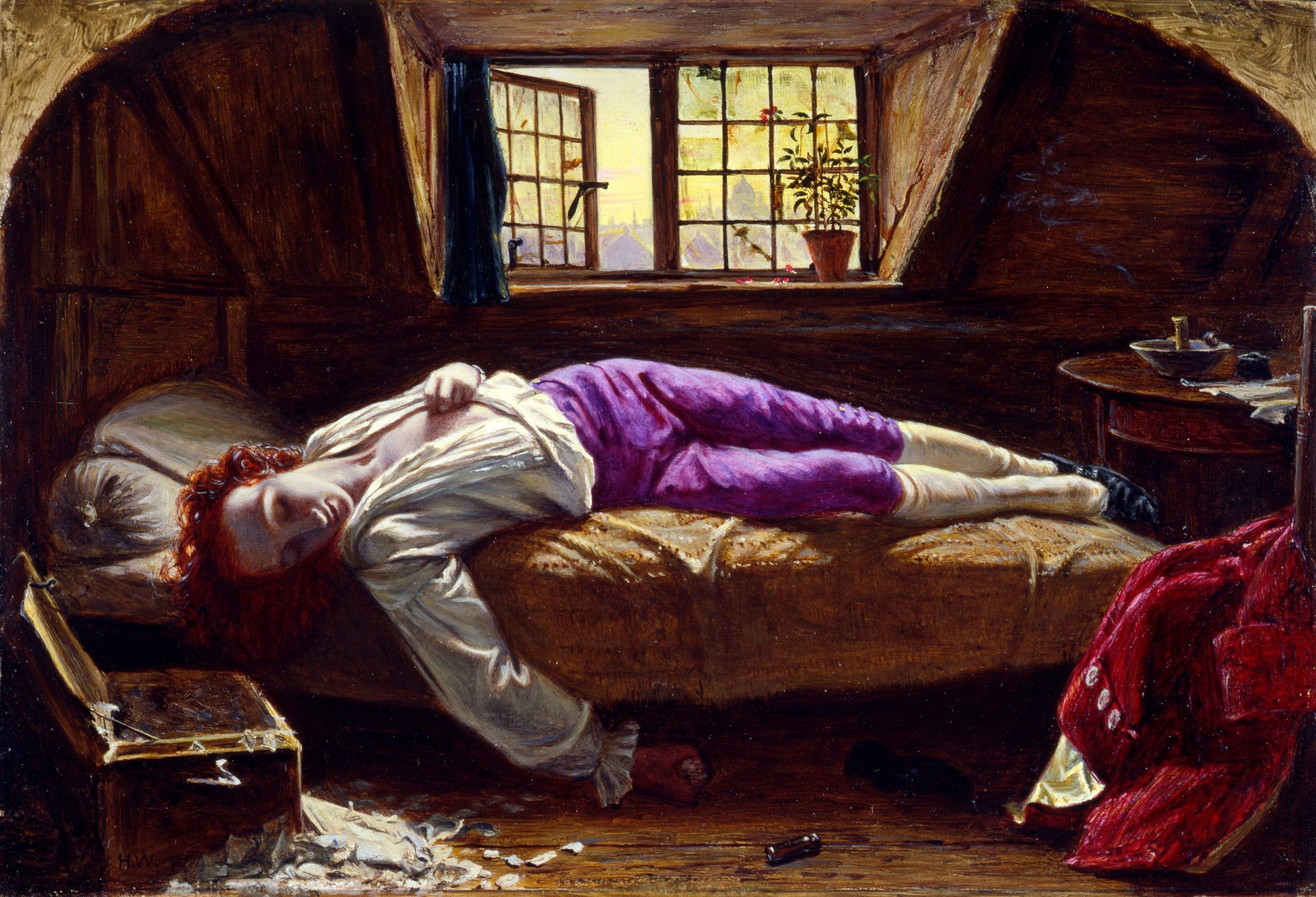
Sleep is supposed to feel peaceful, safe, and restorative, which is exactly why the idea of dying during it feels so unsettling. Yet in most cases, sleep is not the cause. What usually happens is that an existing medical problem, breathing failure, heart issue, or hidden physical crisis strikes during the night, when the body is quiet, and help may not come quickly enough.
Sudden cardiac arrest can happen without warning
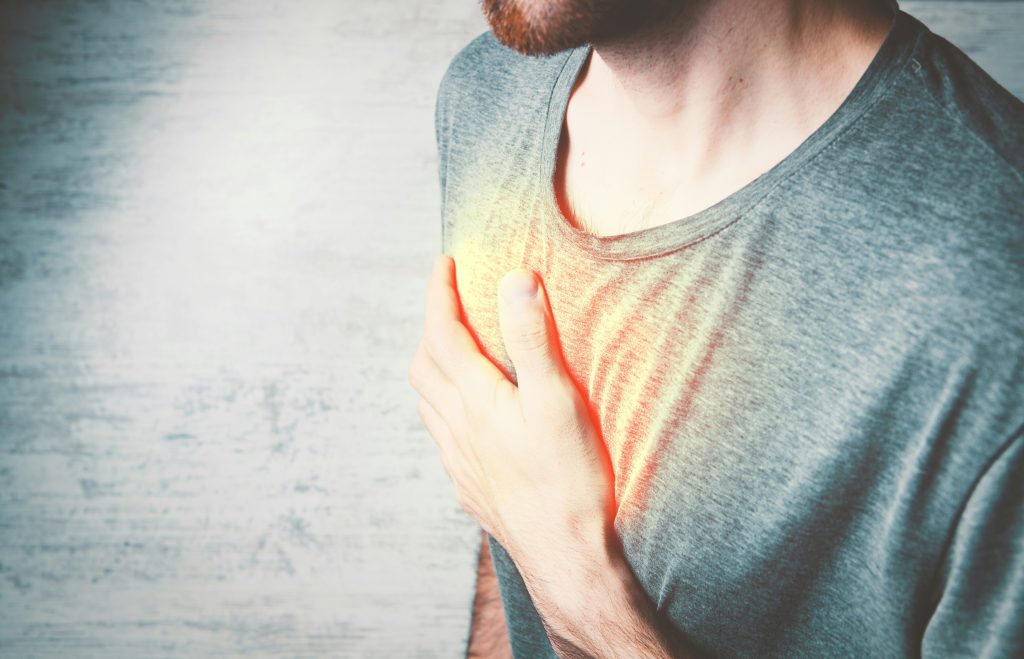
One of the most serious causes of death during sleep is sudden cardiac arrest. This happens when the heart suddenly stops beating properly due to an electrical problem, cutting off blood flow to the brain and the body. A person may go to bed feeling normal and still suffer a fatal event overnight if they have an undiagnosed heart condition or severe heart disease.
Heart attacks may strike in the night
A heart attack can absolutely happen while someone is asleep. If a blockage cuts off blood supply to part of the heart, the damage can become fatal, especially if the person lives alone or does not wake up in time to seek help. Nighttime heart attacks can be particularly dangerous because the early warning signs may be dismissed, delayed, or never fully noticed.
Sleep apnea can quietly put the body under strain
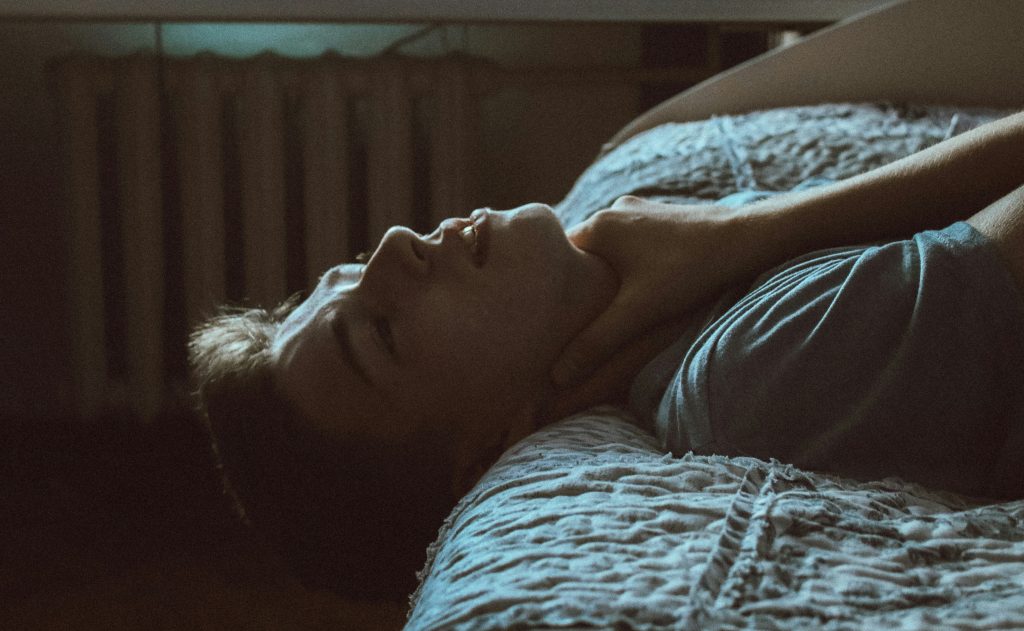
Sleep apnea is a condition where breathing repeatedly stops and starts during sleep. Those pauses can reduce oxygen levels, strain the heart, and increase the risk of serious complications over time. In severe cases, especially when left untreated, sleep apnea can create the perfect conditions for a deadly event during the night.
Dangerous heart rhythms can become fatal in bed
Some people do not die because of a blocked artery but because their heart suddenly falls into a chaotic rhythm. These abnormal rhythms, called arrhythmias, can stop the heart from pumping blood effectively. They are especially frightening because they may occur in people who seem fine on the surface, including younger adults with inherited heart problems.
A stroke can happen during sleep
A stroke occurs when blood flow to the brain is blocked or when a blood vessel in the brain bursts. If it happens at night, the person may not realize anything is wrong until it is too late. This is why some people wake up with signs of stroke, and others sadly never wake at all.
Seizures can become deadly during the night
For people living with epilepsy, nighttime seizures can carry extra danger. A severe seizure may interfere with breathing, heart rhythm, or the body’s ability to recover normally afterward. In rare situations, a person may die suddenly and unexpectedly during sleep after a seizure, even if they seemed stable beforehand.
A drug or alcohol overdose can slow breathing too much
Certain medications and substances can depress the nervous system, slowing the brain’s control over breathing. Opioids, sleeping pills, sedatives, and alcohol are especially risky when combined. In sleep, a person may become so deeply unresponsive that breathing slows or stops without anyone noticing in time.
Carbon monoxide poisoning is a silent killer
Carbon monoxide is one of the most frightening nighttime dangers because it has no smell, no taste, and no warning color. It can leak from faulty generators, heaters, stoves, or poorly ventilated appliances. A person exposed while sleeping may simply lose consciousness and never wake up, which is why detectors are so important in every home.
Severe infections can suddenly overwhelm the body
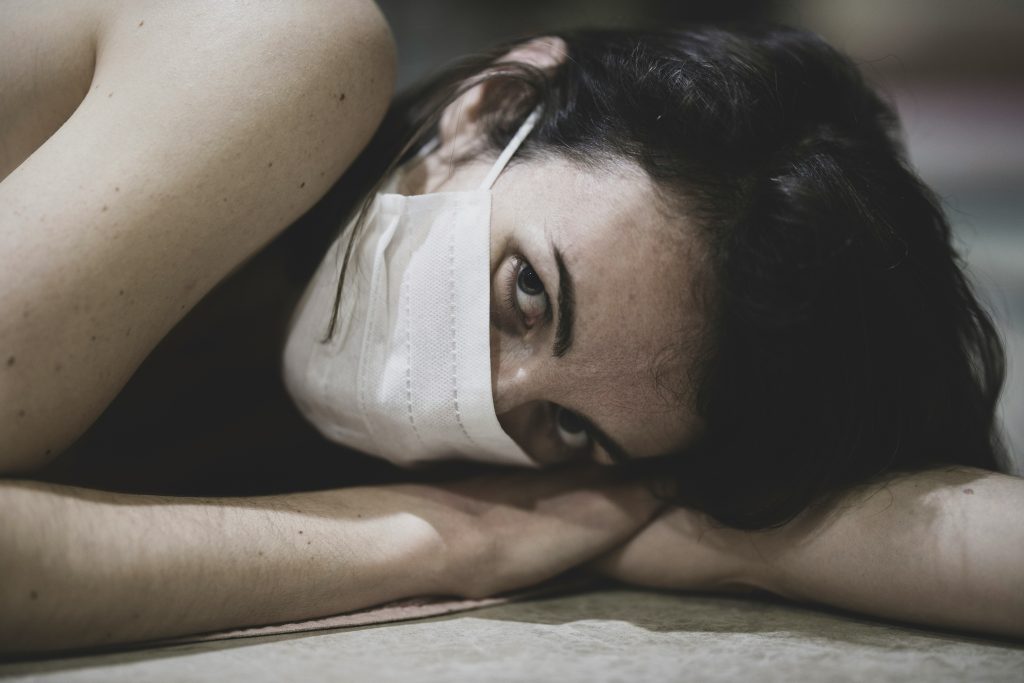
engin akyurt/ Unsplash
Some infections do far more than cause fever and fatigue. They can trigger sepsis, a dangerous condition in which the body begins to shut down under overwhelming infection. In vulnerable people, especially the elderly or those with weak immune systems, this decline can happen rapidly and lead to death during sleep.
Chronic illness can lead to a final overnight decline
Sometimes death during sleep is linked to an ongoing illness rather than a sudden mystery. Advanced heart failure, lung disease, cancer, or other serious conditions can weaken the body to the point where it quietly gives out at night. In these cases, sleep is simply the moment when the body’s long struggle finally ends.
Conclusion
Dying in sleep is frightening to think about, but the real cause is usually not sleep itself. It is more often a hidden health problem, a breathing emergency, a heart event, or a toxic exposure that happens during the night. Understanding these risks does not erase the sadness of the topic, but it does make one thing clear: paying attention to symptoms, seeking treatment early, and creating a safer sleep environment can save lives.


