10 Shockingly Germy Everyday Items (and Exactly How We Disinfect Them Safely)
Everyday items can accumulate bacteria, viruses, fungi, and grime fast, especially anything we touch repeatedly, carry outside the home, or expose to moisture.
Below is a practical, detailed disinfecting guide to the most common hidden germ hotspots, with step-by-step methods that actually work.
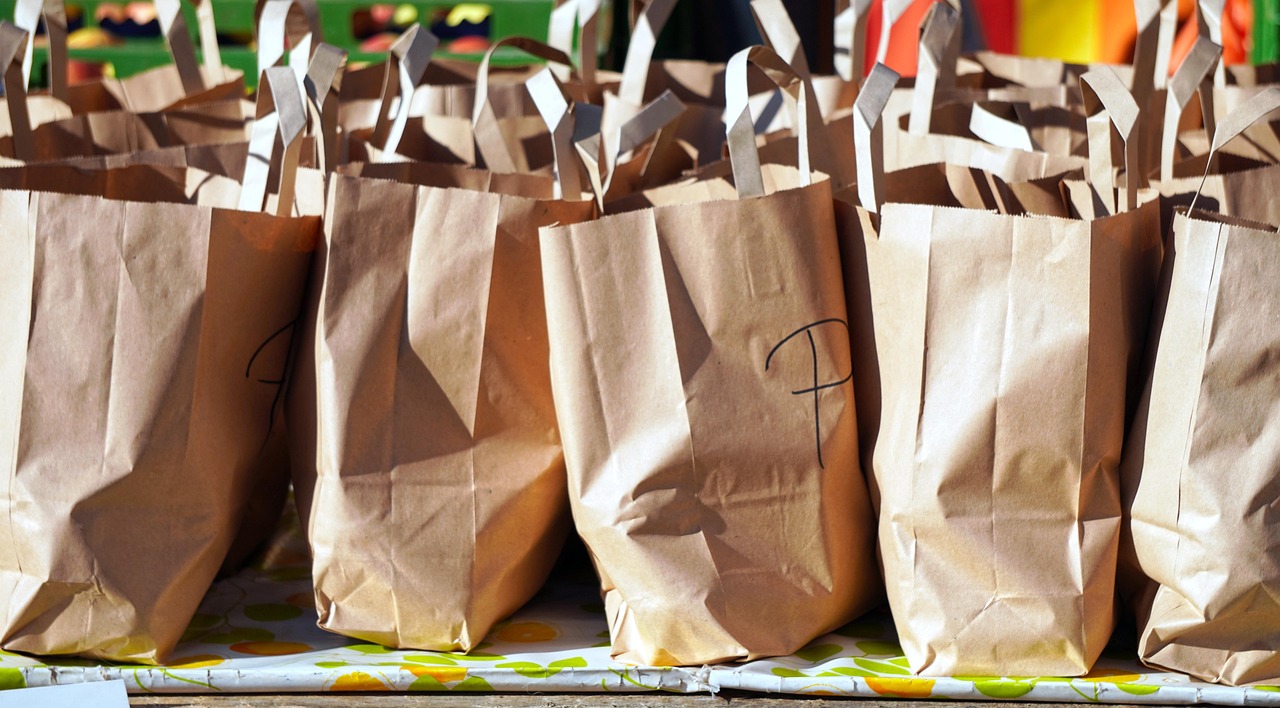
Reusable Shopping Bags (A Major Cross-Contamination Source)
- raw meat packaging leaks
- checkout counters and cart handles
- car trunks (warmth accelerates microbial growth)
- kitchen counters during unloading
How we disinfect reusable grocery bags
If the bag is fabric/cotton/canvas
- Turn the bag inside out and shake out debris.
- Machine-wash hot (if allowed by care tag).
- Use standard detergent (no special product required).
- Dry fully (high heat if safe for the material).
If the bag is insulated
- Empty crumbs/spills immediately.
- Wash interior with hot, soapy water.
- Disinfect the interior using:
-
- disinfecting wipe or
- Spray disinfectant on a cloth (not directly soaking seams)
- Air-dry fully open.
Best frequency
- After every raw meat/seafood trip
- Otherwise: weekly
Pro tip: Keep one bag labeled “RAW MEAT ONLY.”
Reusable Water Bottles (Hidden Biofilm Builds Up Fast)
A water bottle doesn’t stay “clean” just because it holds water. Warmth + moisture + saliva = a perfect environment for buildup, especially in:
- straw lids
- rubber gaskets
- screw threads
- flip spouts
How to disinfect water bottles properly
Daily wash (recommended)
- Disassemble everything (lid, straw, silicone ring).
- Scrub with hot water + dish soap.
- Use a small straw brush for narrow areas.
- Rinse thoroughly.
- Air-dry upside down with lid off.
Deep-disinfect 1–3 times per week.
- Soak removable parts in hot soapy water.
- Then wipe the mouthpiece with 70% isopropyl alcohol.
- Let it dry completely before reassembly.
Best frequency
- Wash daily
- Deep clean weekly (minimum)
Pro tip: If the bottle smells “fine,” it can still be contaminated; odor isn’t a reliable indicator.
Credit Cards + Debit Cards (High-Touch, Rarely Cleaned)
Cards pass through:
- Hands
- Checkout counters
- ATMs
- Card readers were touched all day
How do we disinfect cards without damaging them?
- Use a 70% isopropyl alcohol wipe.
- Wipe front and back, focusing on edges.
- Let air-dry for 30–60 seconds.
Best frequency
- 2–3 times per week
- Daily during travel, flu season, or heavy shopping weeks
Pro tip: Disinfect the wallet interior, too. Cards go right back into a germy pocket.
Yoga Mats (Sweat + Warm Floors = Germ Paradise)
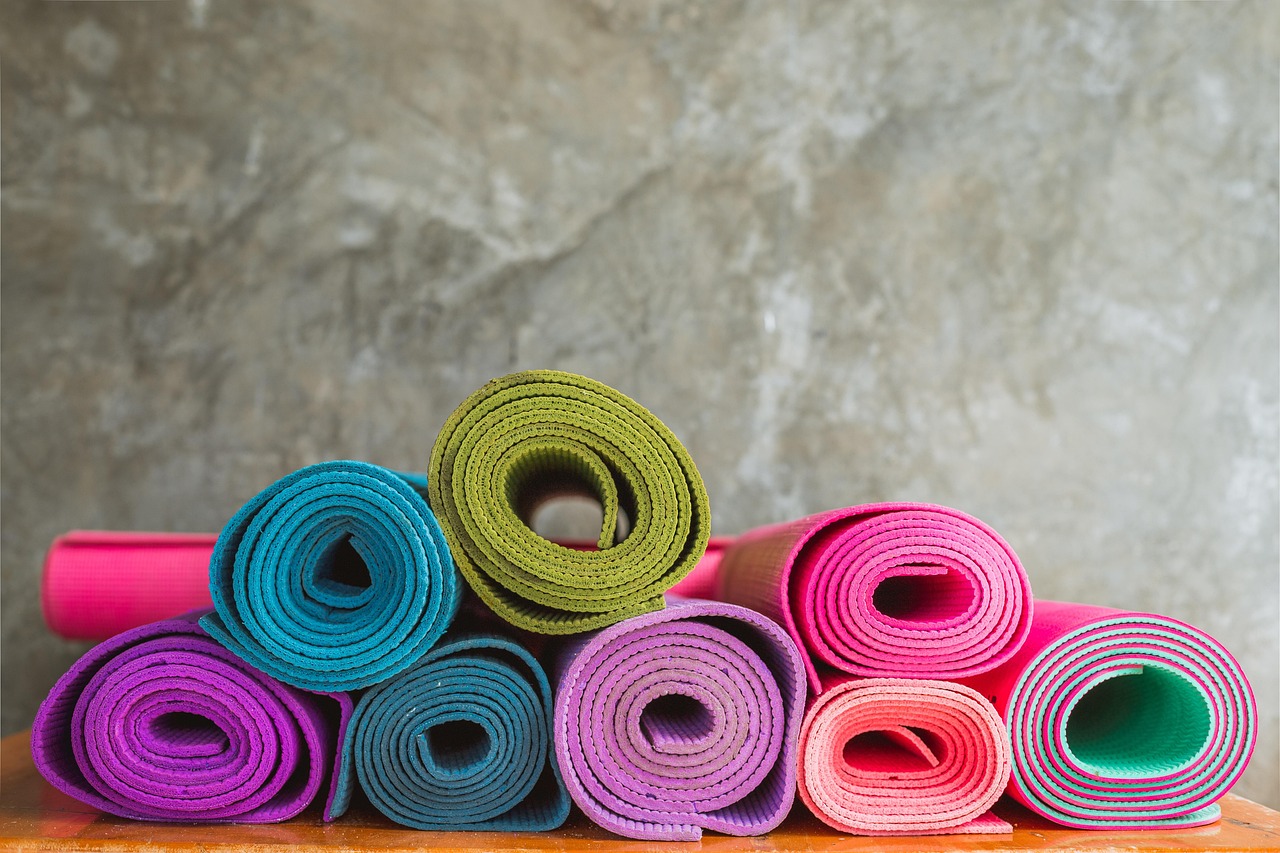
Yoga mats trap moisture in textured surfaces, especially after:
- hot yoga
- gym floors
- shared studio spaces
How we disinfect yoga mats (without ruining the material)
After every class
- Wipe down both sides using:
-
- a mat-safe disinfecting wipe or
- a damp cloth + mild soap
- Air-dry completely before rolling.
Weekly deep clean
- Fill a tub or a large basin with warm water and mild soap.
- Gently scrub textured areas.
- Rinse carefully (avoid oversaturation if the mat absorbs water).
- Hang to dry fully.
Best frequency
- Wipe after every use.
- Deep clean weekly
Pro tip: Never store a damp mat in a bag; mildew forms quickly.
Public Touchscreens (Kiosks, ATMs, Self-Checkout, Ticketing)
Touchscreens are touched constantly and cleaned inconsistently. The biggest risk is what happens next:
- We touch our face
- We eat
- We handle our phone
How we protect ourselves (and disinfect safely)
On the go
- Use a knuckle or a stylus when possible.
- Apply hand sanitizer immediately after
- Keep your hands away from your face until they are cleaned.
What we do once home
- Wash your hands thoroughly.
- Disinfect phone (see phone section below).
Best frequency
- Every exposure: sanitize hands right after use
Contact Lenses + Lens Cases (High Stakes for Eye Infections)
Lens hygiene mistakes are common and risky because:
- Lenses contact the eye directly.
- Cases stay damp
- Bacteria thrive in stagnant solution residue.
How we disinfect contact lenses and cases correctly
Daily non-negotiables
- Wash your hands before touching your lenses.
- Replace solution every time (never “top off”)
Lens case care
- Empty the case completely.
- Rinse the case with fresh solution (not water).
- Leave it open to air-dry completely.
Replace the case
- Every 1–3 months (or sooner if cloudy or slimy)
Pro tip: If eyes become red, painful, light-sensitive, or blurry, we remove lenses immediately and get professional care.
Makeup Brushes + Sponges (Skin Breakouts + Eye Risks)
Makeup tools absorb:
- oils
- dead skin cells
- moisture
- product residue
How we disinfect makeup brushes (fast and effective)
Brushes (foundation, blush, powder)
- Wet bristles (avoid soaking the ferrule/handle).
- Use a gentle brush, cleanser, or mild soap.
- Swirl into a textured cleaning pad or into the palm of your hand.
- Rinse until the water runs clear.
- Squeeze excess water and reshape.
- Dry flat or angled downward.
Sponges
- Saturate the sponge fully with warm water.
- Work in the cleanser until it is clean.
- Rinse repeatedly.
- Squeeze and air-dry in open air.
Best frequency
- Brushes used around eyes: 2–3x weekly
- Face brushes: weekly
- Sponges: after every use (ideal), at least 2–3x weekly
Pro tip: Never store sponges in sealed containers while damp.
Tattoo Ink + Permanent Makeup Risks (What We Confirm Before a Session)
Body art is safest when hygiene is strict from start to finish.
What we verify before any tattoo or permanent makeup
- new needles opened in front of us
- single-use ink cups (not double-dipping)
- clean gloves changed often
- sanitized work surfaces
- Aftercare instructions were provided clearly.
Aftercare hygiene, we follow.
- Clean your hands before touching the area
- Wash gently with mild soap.
- Use only approved aftercare products.
- Avoid gyms, pools, and heavy sweating early on.
Pro tip: If redness spreads, swelling worsens, warmth increases, or pus appears, we treat it as urgent and get medical guidance.
Kitchen Cutting Boards (Raw Meat + Knife Grooves = Hidden Risk)
Cutting boards collect pathogens through:
- microscopic grooves
- trapped moisture
- cross-use between foods
How to sanitize cutting boards safely
For plastic boards
- Wash hot with dish soap.
- Rinse thoroughly.
- Run through dishwasher if heat-safe.
- For deep disinfecting, use a disinfecting spray and allow proper drying.
For wooden boards
- Scrub with hot, soapy water immediately after use.
- Rinse quickly (do not soak).
- Dry upright fully.
- Maintain with food-safe oil regularly.
Best frequency
- After every use
- Immediately after raw meat or eggs
Pro tip: We keep separate boards:
RAW PROTEIN vs PRODUCE vs READY-TO-EAT.
RAW PROTEIN vs PRODUCE vs READY-TO-EAT.
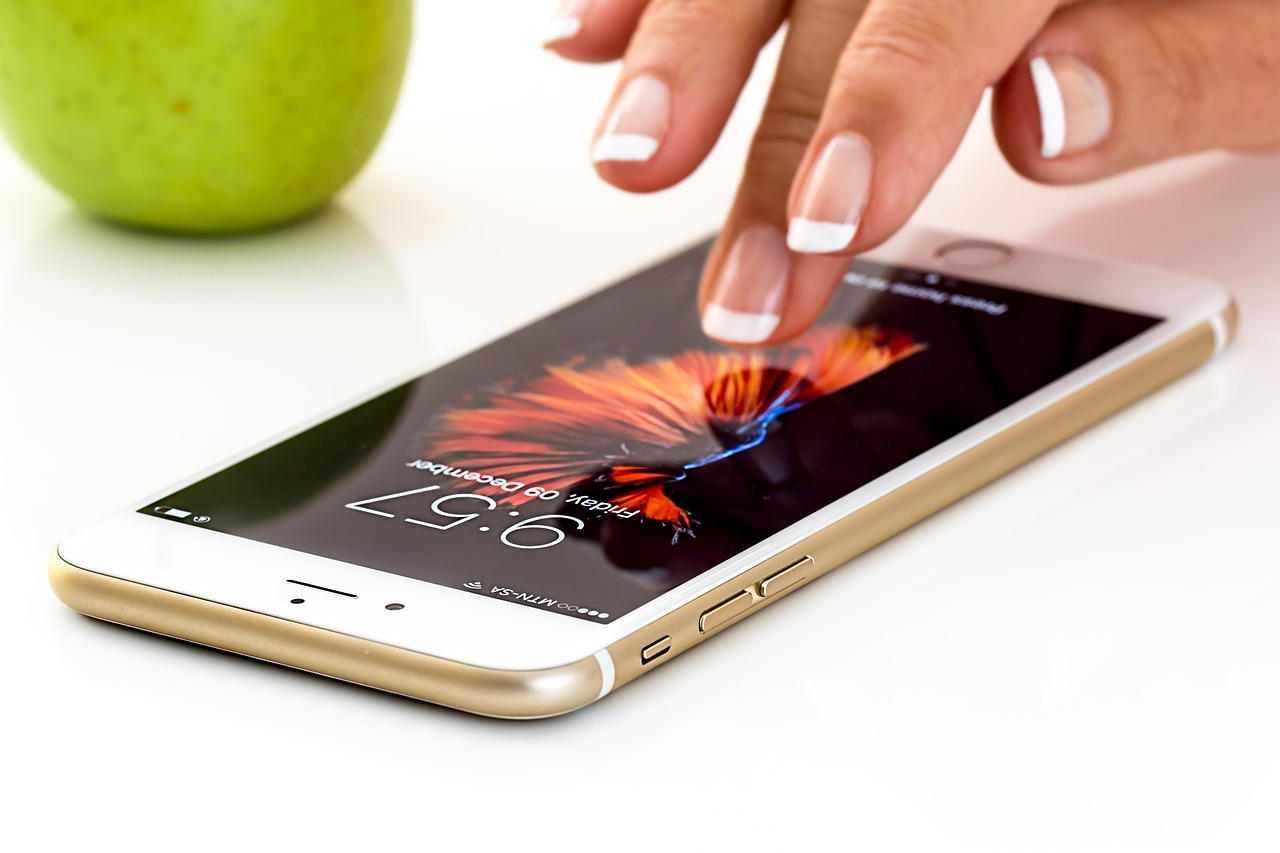
Smartphones (The Dirtiest Thing We Touch All Day)
- bathrooms
- gyms
- public transport
- restaurants
- bed pillows
How do we disinfect phones without damage
- Wash or sanitize hands first.
- Power off the phone.
- Use a microfiber cloth with:
-
- 70% isopropyl alcohol (lightly dampened)
- or screen-safe disinfecting wipe
- Wipe front, back, and edges.
- Let it air-dry fully.
Best frequency
- Daily
- Immediately after travel, gym, or public touchscreens
Pro tip: Disinfect the phone case, too. Cases can hold grime around the edges.
Conclusion
The biggest difference comes from disinfecting what we touch constantly, especially items that travel outside the home, stay damp, or move from hand to hand.
When we build short routines around the highest-risk everyday items, we reduce exposure without turning cleaning into a full-time job.