10 Myths About Dogs You Probably Believe
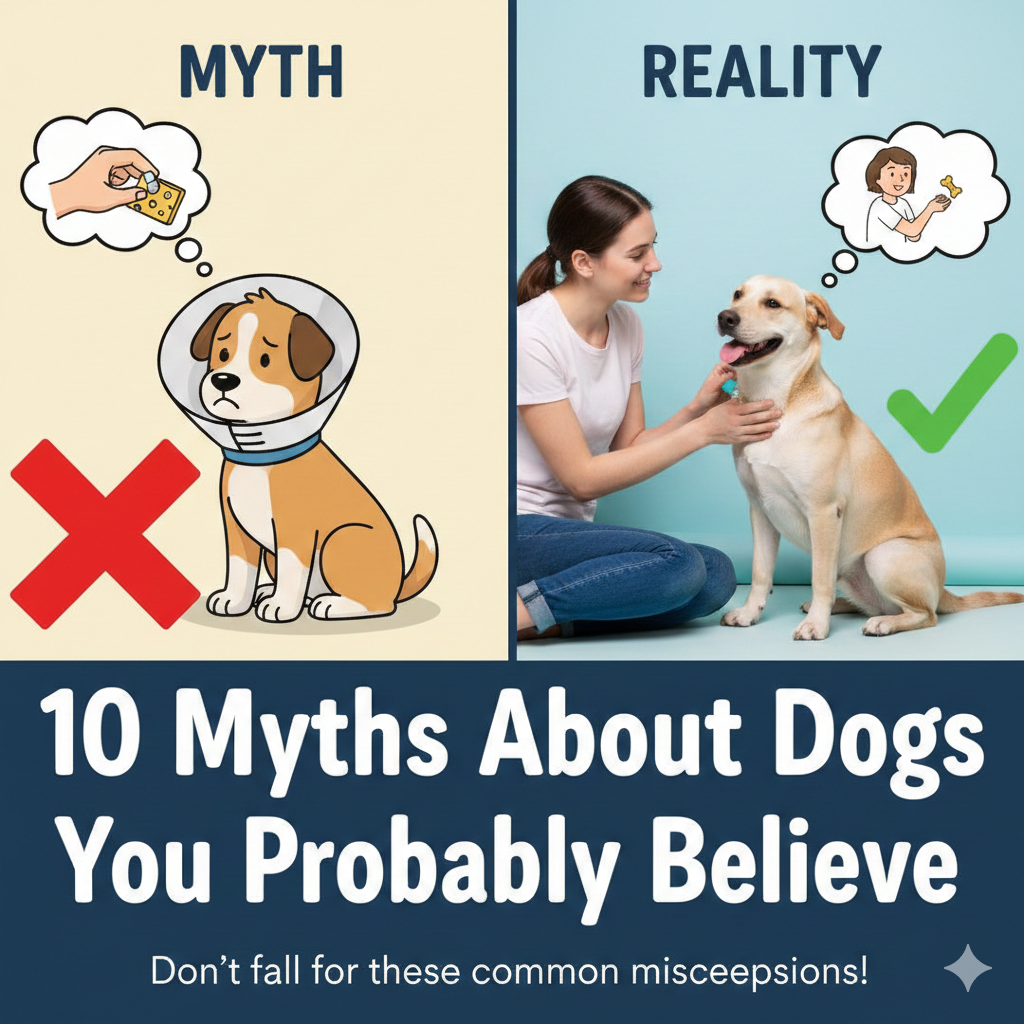
Dogs have been loyal companions for centuries, earning the title of “man’s best friend” through their intelligence, loyalty, and the bond they share with humans. However, despite this deep connection, many myths about our furry friends have persisted over the years.
These misconceptions, whether they’re about their behavior, health, or general care, can lead to confusion or even harm. If you’re a dog owner or simply an animal enthusiast, understanding the truth behind these myths is crucial to ensuring your dog’s well-being. Let’s debunk some of the most common misconceptions about dogs and improve the way we treat and understand our canine companions.
All Dogs Can Safely Eat Human Food

While sharing your meal with your dog might seem like a harmless gesture, it can actually be quite dangerous. Many foods that are perfectly safe for humans can be toxic to dogs. For instance, chocolate, grapes, onions, and garlic can cause severe health issues for dogs. Chocolate contains theobromine, a substance that can cause vomiting, diarrhea, seizures, and even death in dogs. Grapes and raisins are known to cause kidney failure, while onions and garlic can damage their red blood cells, leading to anemia.
Dogs Only See in Black and White
Many people believe that dogs only see the world in black and white. While it’s true that their vision isn’t as vibrant as humans’, that doesn’t mean they’re colorblind. In fact, dogs can see shades of blue and yellow, but they have difficulty distinguishing between reds and greens. Their vision is similar to how a person with red-green color blindness sees the world.
Aggression in Dogs Is Determined by Breed

One of the most pervasive myths about dogs is that aggression is inherent to certain breeds, such as Rottweilers, Pit Bulls, or Doberman Pinschers. This is simply not true. While certain breeds may have physical characteristics that make them more imposing, aggression is not determined by breed alone. It’s more about the environment, the dog’s upbringing, and the dog’s individual experiences.
A Wagging Tail Means a Happy Dog
A wagging tail is commonly interpreted as a sign of a happy or excited dog. While this is sometimes the case, tail wagging can indicate a wide range of emotions, and it’s important to pay attention to the context in which it occurs. For example, a dog that wags its tail slowly and low to the ground may be feeling fearful or uncertain, while a tail that’s stiffly held high might signal dominance or aggression.
Dogs Are Natural Swimmers

The idea that all dogs can swim is a dangerous misconception. While certain breeds, such as Labrador Retrievers and Golden Retrievers, are known for their swimming abilities, not all dogs are natural-born swimmers. Some dogs, especially those with heavy bodies or short legs, struggle in the water. For example, Bulldogs and Dachshunds may have difficulty staying afloat due to their body structure, while other breeds may tire quickly due to a lack of stamina.
Dogs and Cats Are Enemies
The belief that dogs and cats are natural enemies is based on a stereotype rather than fact. While some dogs have a strong prey drive and may chase after cats, many dogs and cats can live harmoniously together if they are introduced properly and given time to adjust to each other’s presence. The so-called rivalry between dogs and cats often stems from differences in communication styles. For example, a dog’s excited approach may be perceived by a cat as threatening, leading to defensive behavior.
Shaving Your Dog’s Fur in Summer Keeps Them Cool

Many pet owners believe that shaving their dog’s fur in the summer will help them stay cool, but this is a misconception that can lead to health problems. A dog’s coat is designed to regulate their body temperature, providing insulation against both heat and cold. Shaving the coat removes this protective barrier, leaving the dog vulnerable to sunburn, heatstroke, and skin damage.
Dogs Must Chew Bones
The image of a dog happily chewing on a bone is iconic, but it’s not as harmless as it seems. Giving bones to dogs can lead to serious health risks. Bones, especially cooked bones, can splinter and cause mouth injuries, choking, or internal blockages. Even raw bones can carry risks such as bacterial contamination, including Salmonella, which can harm both your dog and humans.
A Dog’s Mouth Is Cleaner Than a Human’s

It’s a common myth that a dog’s mouth is cleaner than a human’s, but this is far from true. While dogs may not carry the same types of bacteria as humans, their mouths are still full of germs, many of which can be harmful. Dogs often put their mouths on things that are dirty, such as trash, other animals, and their own bodily fluids, making their mouths a breeding ground for bacteria.
Dogs Love Hugs
Many people assume that dogs love to be hugged, but in reality, most dogs do not enjoy this form of affection. While humans use hugs as a way to show love, dogs may feel trapped or confined when hugged. In the wild, dogs use their body language to communicate, and placing their paws on another dog can be a sign of dominance, not affection. When humans hug dogs, it can create discomfort and stress.
Conclusion
Understanding the truth about dogs is crucial for building a healthy and fulfilling relationship with your pet. Many of the myths about dogs are rooted in outdated beliefs or misunderstandings, but by debunking these misconceptions, we can ensure that we are providing the best care possible for our furry friends.
Whether it’s understanding their diet, behavior, or needs, it’s essential to always approach dog ownership with an open mind and a willingness to learn. By doing so, we can create an environment that allows our dogs to thrive, ensuring that they remain happy, healthy, and well-loved.
Read the Original Article on Crafting Your Home