10 Legendary Foods Named After Remarkable People

Food is an essential part of human life, and some of the most iconic dishes in the world owe their name and fame to the extraordinary individuals who either created or inspired them. These culinary delights serve as a delicious reminder of history, culture, and innovation.
From decadent desserts to savory entrees, the following dishes are more than just food; they’re a tribute to the creativity and genius of their namesakes. Let’s delve into the fascinating stories behind 10 legendary foods that are forever linked to the people who gave them their name.
The Story Behind Melba Toast
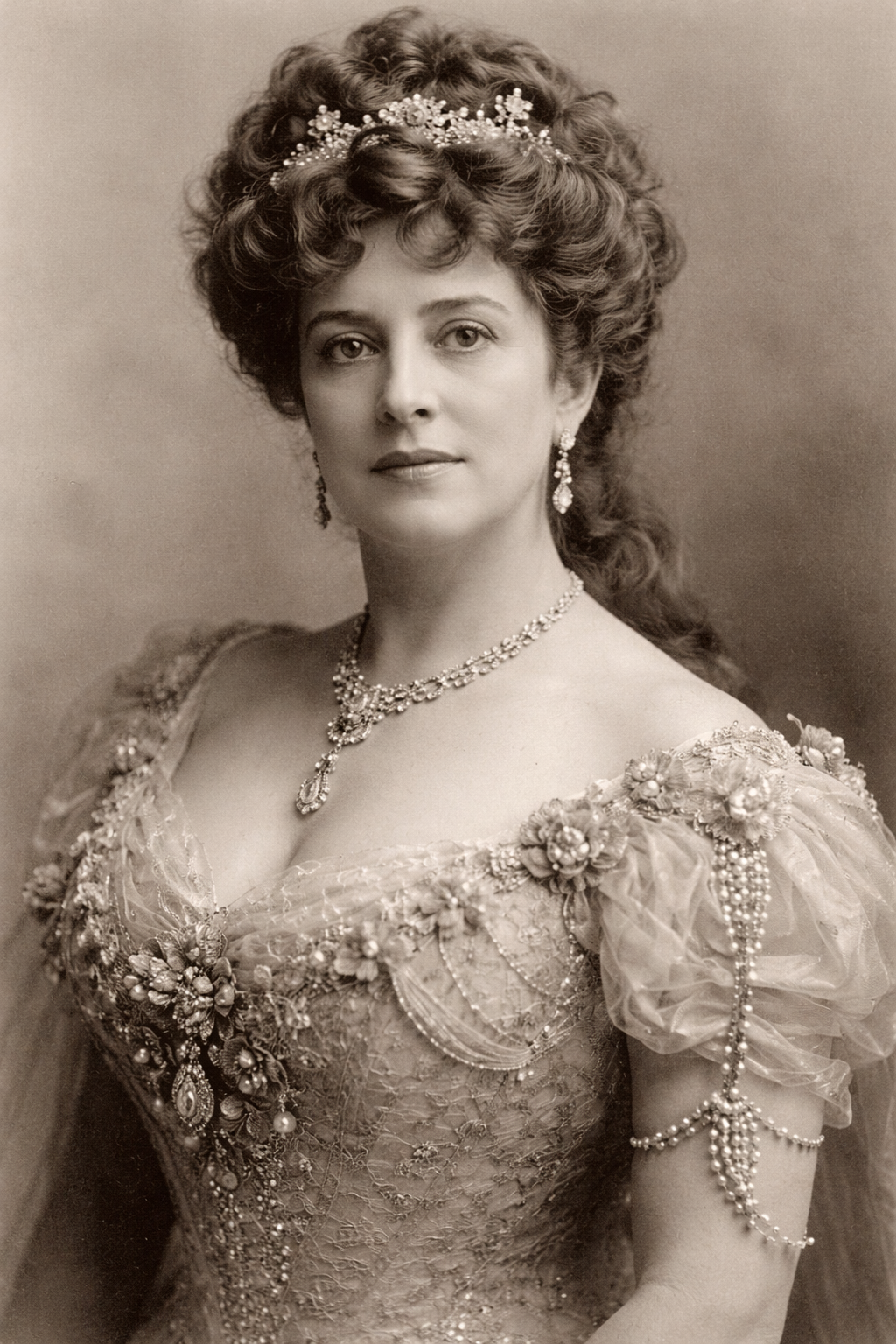
Nellie Melba, the Australian opera singer, remains an iconic figure in both music and cuisine. Born Helen Porter Mitchell, she adopted the stage name Nellie Melba, and it was during a stay at the Savoy Hotel in London that she unknowingly became the muse for one of the most famous culinary creations: Melba Toast.
In 1897, Chef Auguste Escoffier, the legendary French chef, created this delicate, crisp toast in honor of Melba. It was crafted by thinly slicing bread and toasting it until it was golden and crunchy. While this simple yet elegant dish was initially served as a light accompaniment to soups, it soon became a popular snack in its own right. The creation of Melba Toast was not the only homage Escoffier paid to the opera singer. In fact, four years earlier, he invented Peach Melba, a dessert featuring poached peaches, raspberry sauce, and vanilla ice cream, created as a tribute to Melba’s success.
Crêpes Suzette
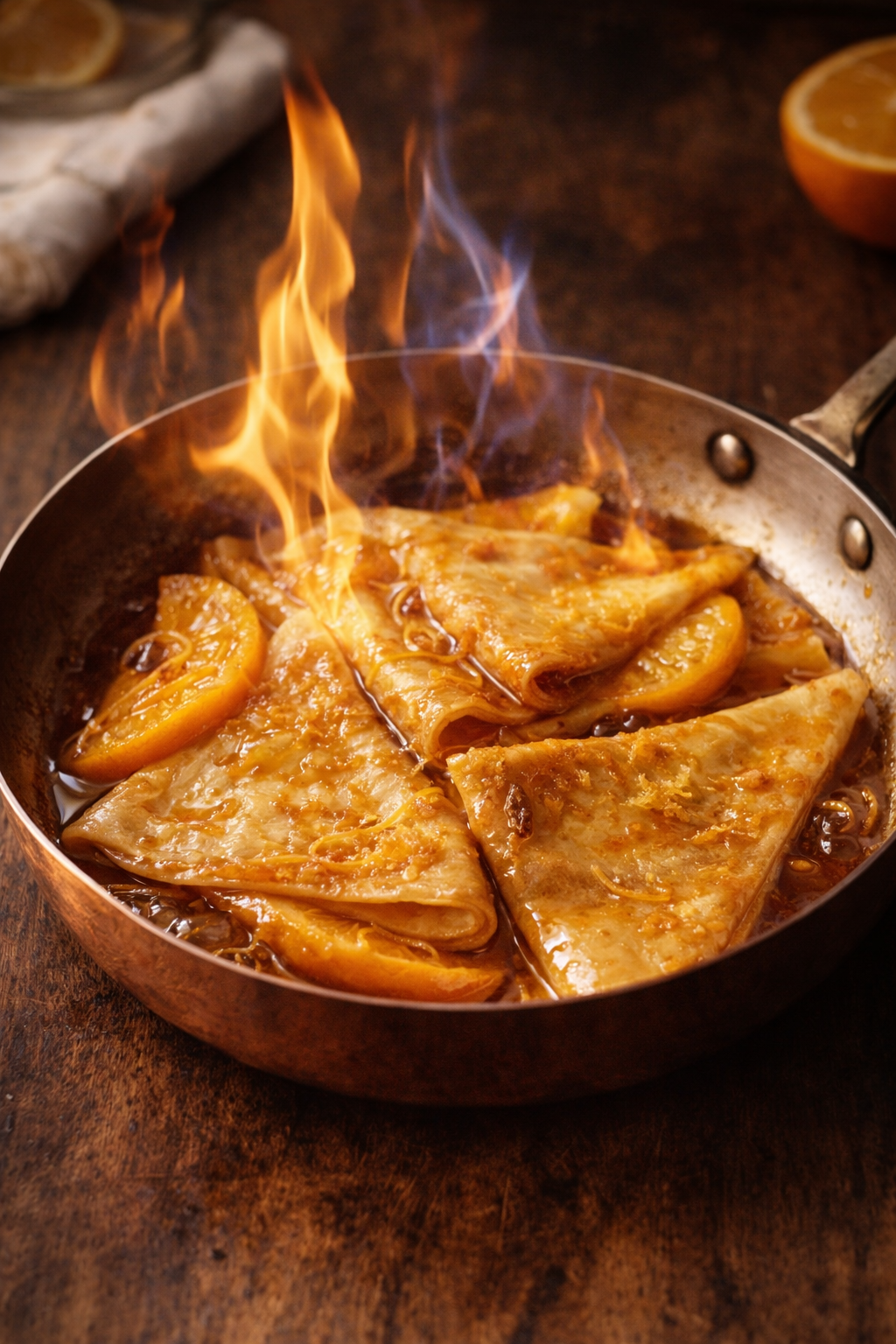
The origin of Crêpes Suzette is a delightful tale of culinary serendipity. This dish consists of thin pancakes served with an orange-flavored sauce, often flambéed with liqueur. The story goes that the dish was created by accident by Chef Auguste Escoffier at the Savoy Hotel.
In 1895, Escoffier was preparing dinner for the Prince of Wales when an assistant chef accidentally spilled orange sauce over a pancake. To salvage the situation, Escoffier quickly set the dish alight, creating a flambéed spectacle that amazed the prince. The pancakes were named after Suzette, a young woman dining at the same table who became the subject of much attention due to the dramatic presentation. The dish became an instant hit and remains a French classic.
The Salisbury Steak
In 1886, Dr. James Salisbury, a British physician, created a dish that would come to bear his name: Salisbury steak. The dish, which consists of ground beef formed into a patty and often served with gravy, was originally intended as a remedy for a variety of ailments, including tuberculosis, bronchitis, and gout.
Dr. Salisbury believed that a diet rich in well-cooked, lean meat would improve health, particularly for patients with these conditions. He recommended eating Salisbury steak three times a day, with a glass of hot water before and after each meal. While the dish’s health benefits may be debatable, its popularity in the United States, especially during the World Wars, solidified its place in culinary history.
The Origins of Eggs Benedict
Eggs Benedict is another beloved dish with a fascinating origin story. The dish consists of a toasted English muffin topped with Canadian bacon, a poached egg, and hollandaise sauce. The creation of this iconic breakfast dish can be traced back to New York socialite Lemuel Benedict, who is said to have invented it in 1894.
After a long night of revelry, Benedict arrived at the Waldorf-Astoria Hotel with a classic hangover. In search of a remedy, he requested toast, poached eggs, bacon, and hollandaise sauce. The hotel’s maître d’hôtel, however, substituted an English muffin for the toast and ham for the bacon. The dish was such a success that it was added to the hotel’s menu, and the world was introduced to the now-famous Eggs Benedict.
The Cobb Salad
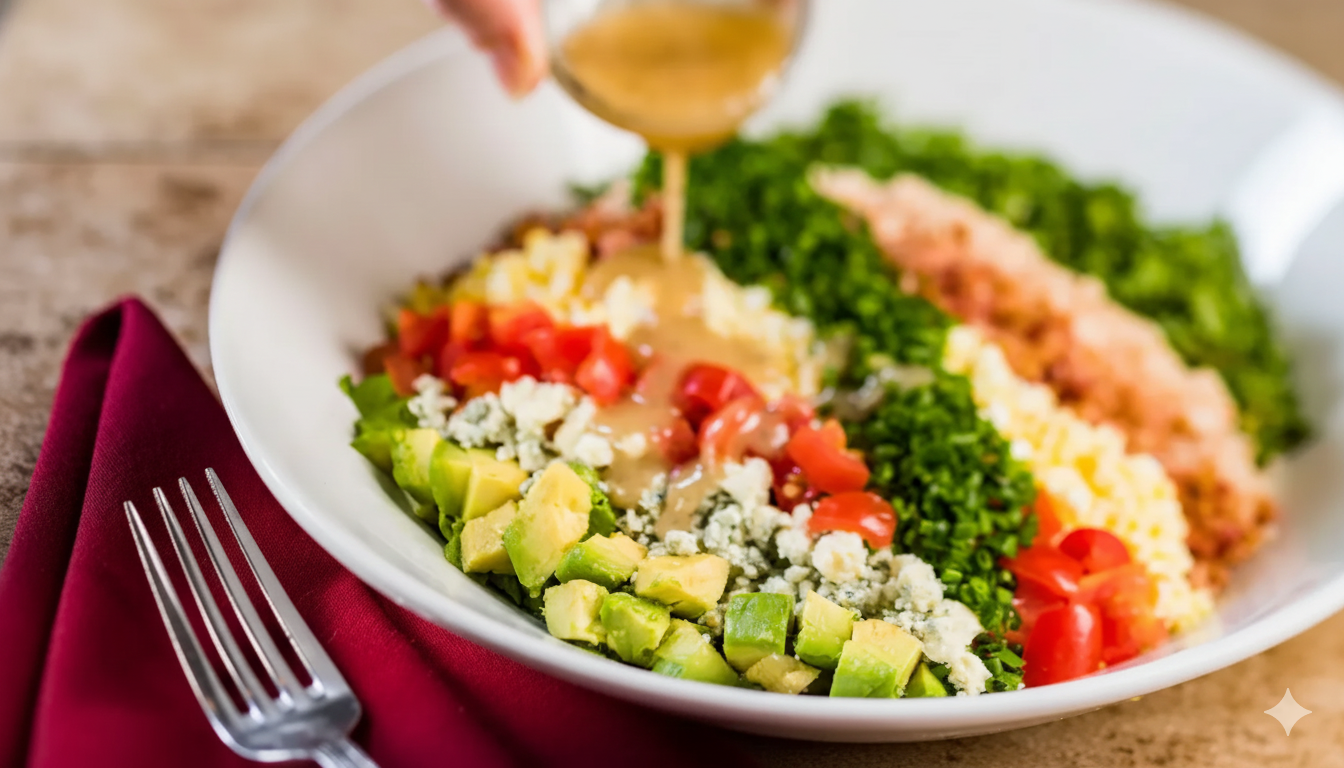
The Cobb Salad, a popular American dish, originated in the glamorous world of Hollywood. In 1936, Robert Cobb, the owner of the famous Brown Derby restaurant, found himself in a predicament when he needed to prepare dinner for Sid Grauman, the owner of Grauman’s Chinese Theatre, after all the other restaurant staff had left for the evening.
Cobb, with limited ingredients at his disposal, created a salad made from leftovers, including lettuce, tomatoes, chicken, avocado, bacon, and hard-boiled eggs. The dish was so well-received that Cobb decided to add it to the restaurant’s menu. Today, the Cobb Salad is a staple at restaurants around the world, a testament to the creativity and resourcefulness of its creator.
Granny Smith Apples
The Granny Smith apple, known for its tart flavor and crisp texture, is a variety of apple that was discovered by Maria Smith, an Australian woman, in the 1860s. While working on her farm near Sydney, Maria found a small sapling growing in a pile of discarded rotten apples. She replanted the tree, and over time, it produced green apples with a distinct tart taste.
Caesar Salad
Contrary to popular belief, Caesar Salad is not named after the Roman Emperor Julius Caesar. Instead, it was named after Caesar Cardini, a Mexican restaurateur who created the dish in Tijuana, Mexico, in 1924.
Fettuccine Alfredo
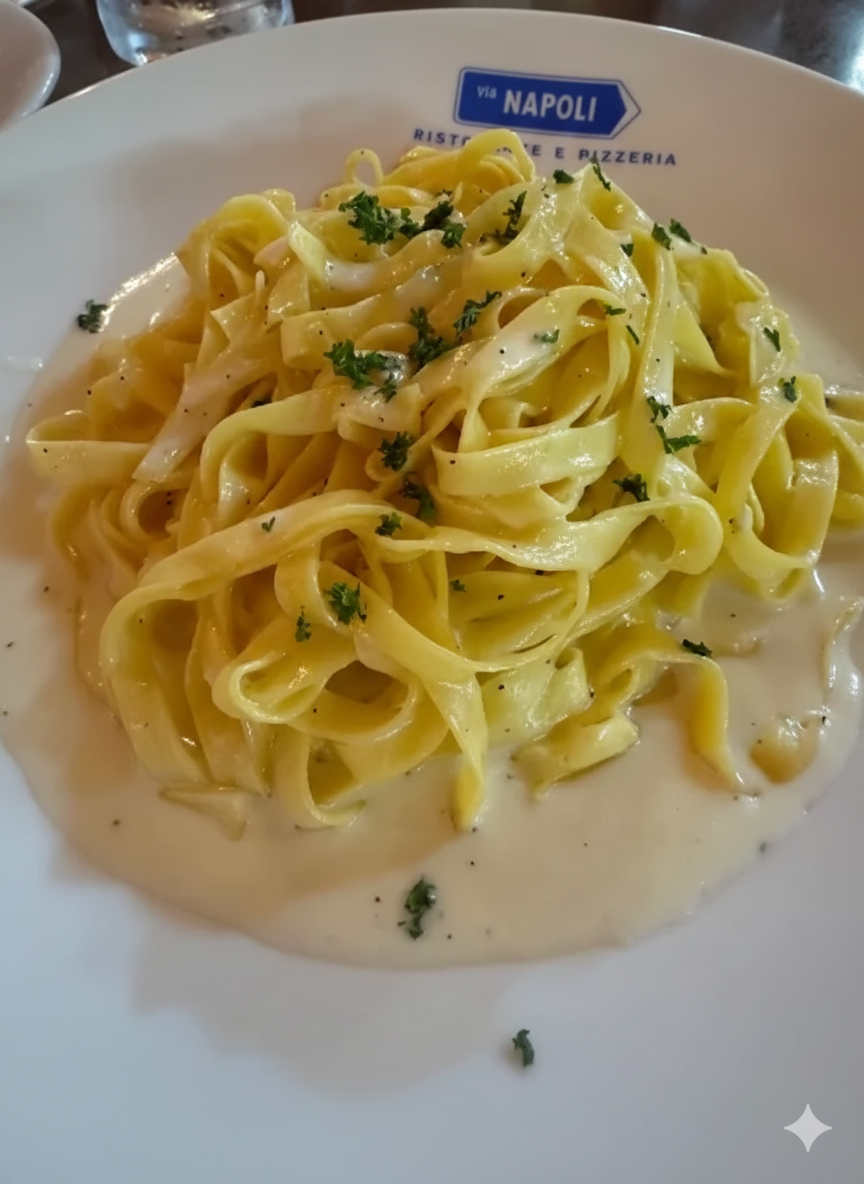
Fettuccine Alfredo, a rich and creamy pasta dish, was created by Italian chef Alfredo Di Lelio in the early 20th century. According to the story, Di Lelio made the dish for his wife, who was feeling weak after giving birth. He combined butter, cream, and Parmesan cheese to create a rich sauce that would help her regain strength. The dish became so popular that it was added to Di Lelio’s restaurant menu in Rome.
Graham Crackers
Sylvester Graham, an American Presbyterian minister, is best known for his advocacy of healthy eating, particularly the consumption of whole grains and the avoidance of white bread and meat. In the early 19th century, Graham became a leading figure in the health food movement and promoted a vegetarian diet to improve health.
The Sandwich
Conclusion
These 10 legendary foods are more than just meals, they are a testament to the creativity, ingenuity, and passion of the people who created them. Whether by accident, necessity, or inspiration, these dishes have left an indelible mark on the culinary world. From the delicate Melba Toast to the hearty Salisbury Steak, each food tells a unique story that continues to captivate food lovers around the globe.