

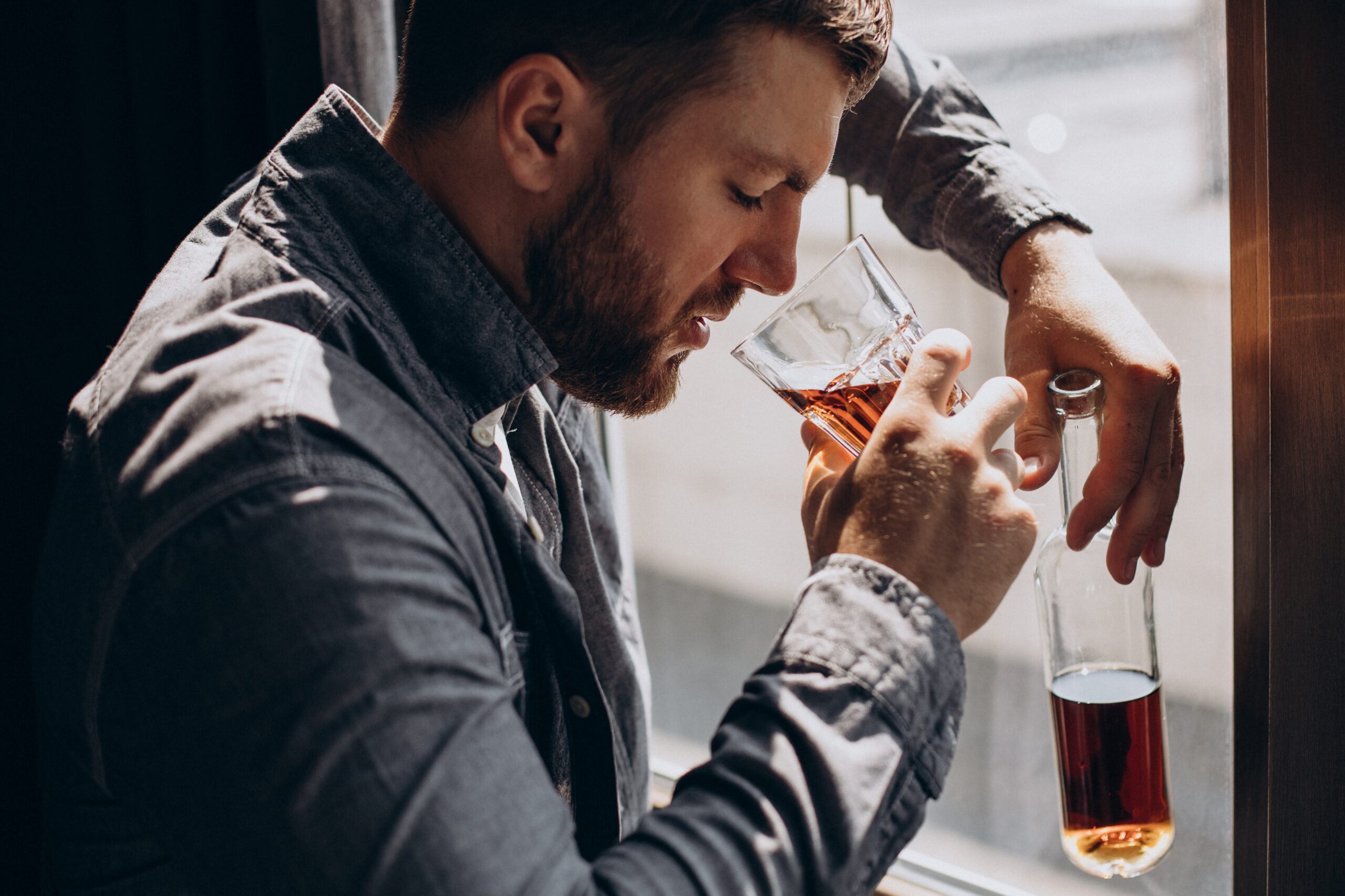
There’s nothing quite like waking up after a night of drinking, clutching your pounding head, and wishing for a miracle cure. You’ve probably been bombarded with advice from well-meaning friends, family, or even strangers at the bar, each swearing by their own hangover remedy. But here’s the hard truth, most of these “cures” are nothing more than myths. Instead of falling for the hype, it’s time to separate fact from fiction.
Let’s take a closer look at what actually works to get you back on your feet and what you should stop wasting your time on.
Drinking Coffee

The morning after a heavy night of drinking, many people instinctively reach for a hot cup of coffee. While coffee may help wake you up, it’s not the hangover remedy it’s often made out to be. Caffeine can actually constrict blood vessels, which can intensify headaches and increase blood pressure, making you feel even worse.
Additionally, coffee’s diuretic properties can further dehydrate your body, prolonging the hangover symptoms. Rather than turning to coffee, opt for something that promotes hydration and replenishment, like water or a sports drink. Your body will thank you for focusing on hydration over caffeine.
Greasy Food
Many swear by greasy food as the solution to a hangover, thinking that a greasy breakfast will soak up the alcohol. While it might satisfy your cravings, fatty foods can actually make things worse. Grease-heavy dishes can upset your stomach and exacerbate acid reflux or indigestion.
Furthermore, high-fat foods take longer to digest, making you feel sluggish and uncomfortable. Instead, focus on eating bland, easily digestible foods like toast, oatmeal, or crackers to gently settle your stomach without overwhelming it. These simple foods provide the nutrients and energy your body needs without the extra discomfort.
Herbal Supplements
Herbal supplements like milk thistle, reishi mushrooms, and activated charcoal are often touted as liver detoxifiers and hangover cures. While these herbs may offer long-term health benefits, they don’t provide instant relief for hangover symptoms.
While they may assist in liver function over time, they aren’t magical remedies for the immediate discomfort caused by alcohol. In fact, taking these supplements won’t significantly alleviate dehydration, a key factor in your hangover. For real recovery, focus on drinking water, replenishing electrolytes, and giving your body time to process the alcohol it’s trying to eliminate.
Sleeping It Off

It’s common to feel like all you need is more sleep to recover from a hangover, and while rest is crucial, it’s not the sole solution. Sleeping doesn’t address the dehydration, electrolyte imbalance, and nutritional deficiencies caused by alcohol consumption. While you may feel less tired after taking a nap, you still need to focus on hydration, nourishment, and mild physical activity.
A light walk can actually help increase blood circulation, improve your mood, and release endorphins, which aid recovery. Drink water before, during, and after exercising to stay hydrated, and aim for a balanced recovery that includes more than just rest.
Pickle Juice
Pickle juice has gained popularity as a hangover remedy due to its high sodium content, which, in theory, helps replenish lost electrolytes. However, this salty solution isn’t the miracle cure it’s made out to be. Drinking too much pickle juice can lead to an unhealthy sodium overload, worsening dehydration, and causing more discomfort.
While it’s true that sodium is an electrolyte, the best way to recover from dehydration is to rehydrate with balanced beverages like coconut water or a sports drink. Stick to solutions that won’t overload your system with salt and will hydrate you effectively.
Painkillers
Taking painkillers such as acetaminophen (Tylenol) or aspirin to alleviate hangover pain is a risky move. Combining these medications with alcohol can harm your liver or stomach, especially acetaminophen, which is known to cause liver damage when paired with alcohol. Aspirin can irritate your stomach lining, leading to ulcers and additional pain.
If you need relief, ibuprofen (Advil) is a safer option, but it’s important to wait a few hours after drinking before taking any medication. Always be mindful of how alcohol interacts with over-the-counter painkillers, and opt for safer alternatives like hydration and light exercise to ease your symptoms.
Vomiting

It’s a natural instinct to want to vomit when you feel sick, thinking it will rid your body of alcohol. However, inducing vomiting can actually increase dehydration and lead to further complications, such as choking or inhaling vomit into the lungs, which could cause aspiration pneumonia. Rather than turning to the porcelain god, focus on hydrating and eating small, gentle meals until your body begins to recover.
If you’re feeling particularly unwell, seek medical attention to ensure you’re not suffering from more serious issues like alcohol poisoning. Vomiting might seem like a solution, but it only makes the situation worse in the long run.
Eating Before Bed
The idea of eating a late-night snack to “line your stomach” before bed after drinking is a common belief, but it’s actually not the best way to prevent a hangover. While a meal before drinking can help slow alcohol absorption, eating after drinking doesn’t do much to prevent a hangover.
Heavy foods consumed late at night sit on top of alcohol still being processed by your body, often resulting in bloating and discomfort. Instead, try to have a well-balanced meal before drinking, then drink water to stay hydrated. Timing matters, and consuming the right foods at the right time can make a world of difference.
The Hair of the Dog
The classic remedy of “hair of the dog”, drinking more alcohol the morning after to “cure” your hangover, might seem appealing, especially in the form of a Bloody Mary or mimosa. However, while it may give you a temporary boost, this method only postpones the inevitable.
More alcohol raises your blood alcohol level again, momentarily masking your hangover symptoms, but once the effects wear off, you’ll likely feel even worse. Instead of prolonging your hangover, it’s better to hydrate, rest, and give your body time to recover. The quickest route to feeling better is not to mask your symptoms but to allow your body to heal on its own.
Hangover Pills

There are countless hangover pills on the market, each promising to relieve symptoms and help you feel better faster. However, most of these pills are filled with the same ingredients found in herbal supplements, and they’ve been debunked by experts.
The truth is that no pill can reverse the effects of alcohol or speed up the body’s natural recovery process. The best way to recover from a hangover is still hydration, rest, and replenishing lost electrolytes. Skip the pills and focus on proven recovery methods that have been shown to work.
Conclusion
When it comes to hangovers, there’s no miracle cure. While the myths surrounding hangover remedies are endless, it’s crucial to focus on what actually works, hydration, replenishing electrolytes, and giving your body the time it needs to process the alcohol.
Drinking in moderation is the best way to avoid a hangover altogether, but if you do overindulge, the key to recovery is allowing your body the time and care it needs. Forget the gimmicks and focus on the simple steps that can help you feel better fast.
Read the original article in Crafting Your Home


