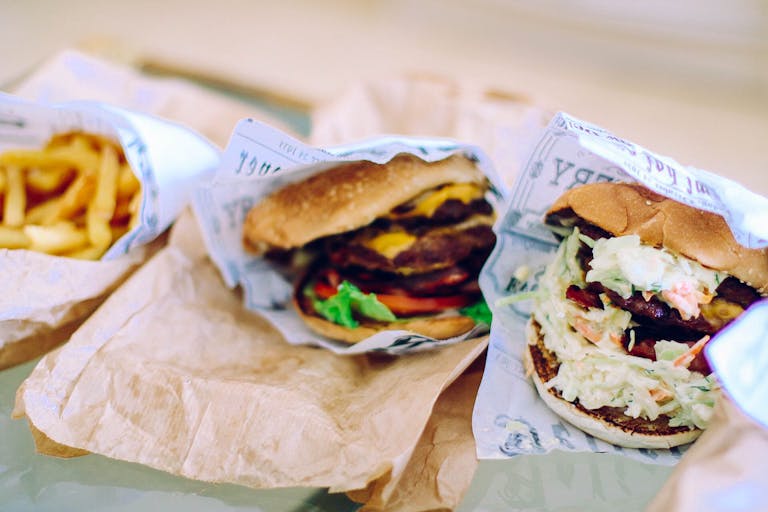
10 foods that saw a significant price increase this year

Image Credit: stokkete/ 123RF
Grocery shopping in 2025 feels like a game of “How much can I get for my money?” If you’ve been to the store lately, you’ve likely noticed something strange: your favorite foods are getting a lot more expensive. It’s not just your imagination.
According to the U.S. Department of Agriculture (USDA), food prices went up by 3.2% in August 2025 compared to the same month in 2024, and the CPI for all food climbed by 0.4% just between July and August. If you’re scrambling to stretch your budget or feeling frustrated by those higher prices, one thing’s for sure—food prices are rising, and it’s making us rethink what we put in our carts.
But what exactly is going on, and which foods are the worst offenders? Let’s break it down and see how you can survive the rising prices without going hungry.
Tomatoes
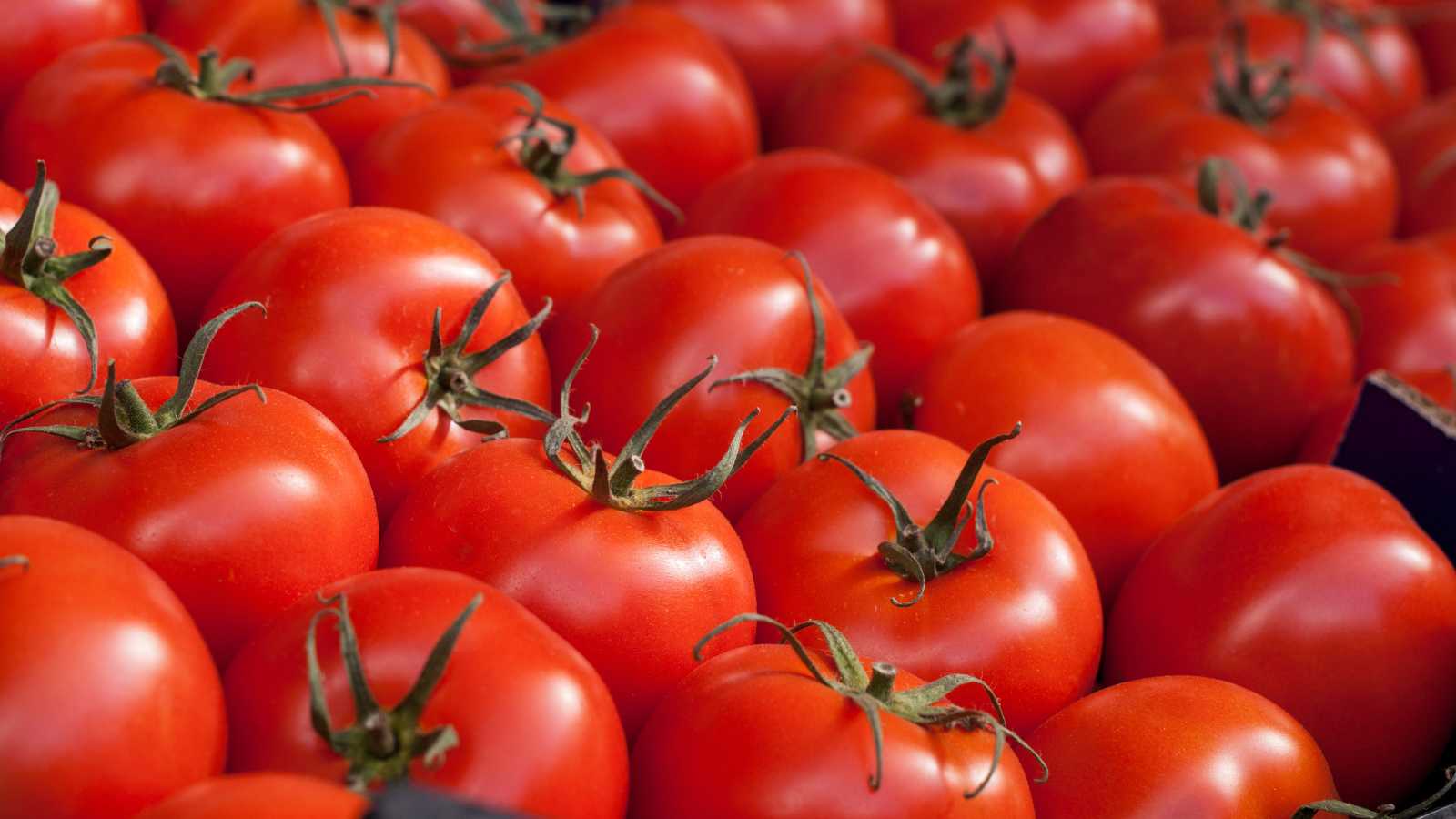
In 2025, tomato prices have skyrocketed due to bad weather, such as droughts and floods, and supply chain disruptions. This has affected fresh tomatoes, tomato paste, and products such as ketchup. These issues have made it harder for farmers to harvest and transport tomatoes, leading to higher prices promptly.
According to recent USDA reports, tomatoes are up worldwide, including products like ketchup, which rely heavily on this humble fruit. For many, tomatoes are a non-negotiable part of daily meals, so this price hike is particularly tough on families who use them regularly.
Expect to pay more for fresh tomatoes, tomato paste, and packaged sauces like ketchup or marinara. You might need to rethink that extra tomato on your burger or look for cheaper alternatives to keep your grocery budget in check.
Beef
If you’re a beef lover, the price increase in 2025 might sting a bit. According to the Food Institute, Beef prices in the U.S. have climbed by 13.9% in 2025, making it one of the most significant price increases in the meat category. Several factors are contributing to the rise, including higher cattle feed costs, labor shortages in processing plants, and ongoing climate-related challenges affecting livestock production.
Beef is a significant source of protein for many households, but with these rising costs, it’s starting to feel like a luxury rather than a staple. This means your beloved steaks, burgers, and roasts will be more expensive when you shop.
This could be the perfect time to try swapping out beef for other, more affordable proteins like chicken, turkey, or plant-based alternatives. Alternatively, you can buy cheaper cuts of meat or take advantage of sales when they occur.
Eggs

Eggs, that affordable breakfast favorite, have seen a significant price increase in 2025. The USDA reports that Egg prices are predicted to increase 24.8 percent in 2025. One of the main drivers of this rise is the ongoing avian flu outbreaks, which have affected poultry populations and reduced supply. On top of that, feed costs for poultry have risen, pushing egg prices even higher.
If you’re scrambling eggs in the morning, baking them into cakes, or making an egg salad, you’ve probably noticed that eggs are no longer as affordable as they once were. For many households, eggs are a budget-friendly and versatile source of protein, so this price increase can make meal planning more challenging. To manage costs, consider shopping around for the best deals or exploring alternative protein sources, such as yogurt, beans, or tofu, to balance your meals.
Coffee
If you can’t start your day without a cup of coffee, this might not be your year. According to CNBC, Coffee prices have shot up due to poor harvests in Brazil and Vietnam, and supply chain challenges for coffee beans have made matters even worse. For many of us, coffee isn’t just a drink—it’s a ritual. It’s the thing that gets us going in the morning, and for some, it’s as essential as breakfast itself.
So, if you’re used to grabbing your coffee from a café, that price tag is likely going to be a little harder to ignore. But if you brew at home, you might be able to ease the sting by buying coffee in bulk or opting for more affordable beans. Alternatively, you could cut back on those daily coffee runs and experiment with some cheaper varieties. You might be surprised—sometimes the less expensive options aren’t as bad as we think.
Dairy

The cost of milk and cheese has been steadily increasing, and it’s becoming a noticeable strain on your grocery bill. Dairy prices are rising due to several factors, including higher feed costs for dairy cows and supply chain disruptions, as highlighted by Dairy News Today. These increases are especially noticeable in milk and cheese, both staples in many U.S. households.
From morning cereal to cooking or sandwiches, dairy plays a central role in many American diets. Unfortunately, as prices climb, keeping this essential item affordable on your grocery list is becoming more challenging. Consider buying in bulk or opting for store-brand dairy products. You could also explore plant-based dairy alternatives, which might offer more affordable options, depending on the region.
Fresh Produce
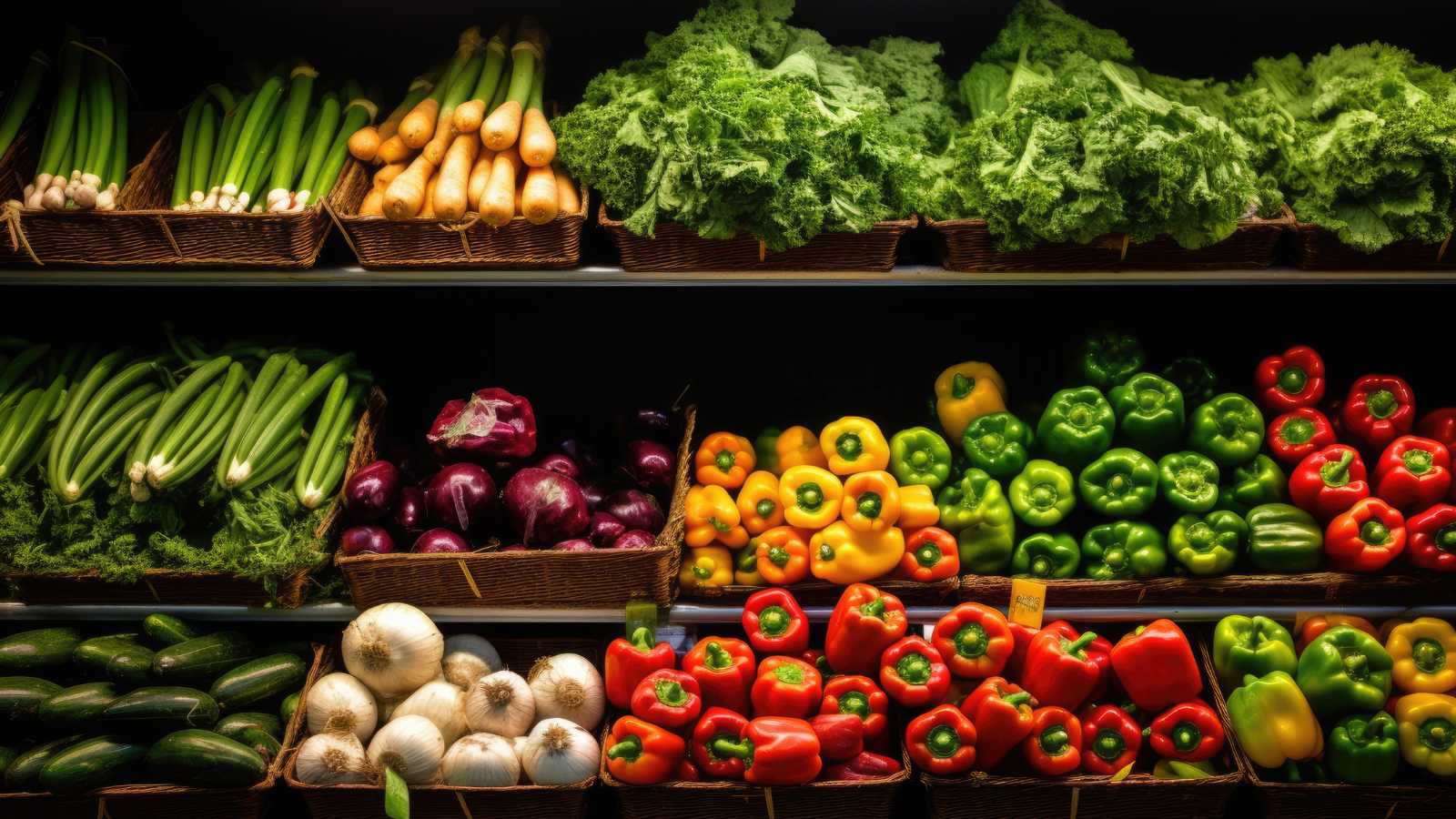
Vegetables have always been the cornerstone of a healthy diet, but in 2025, they’ve gotten a lot more expensive. The Bureau of Labor Statistics reports that fresh produce prices have increased by 1.9% in 2025. Droughts, floods, and other extreme weather events have wreaked havoc on crops, leading to reduced yields and higher prices for common fruits and vegetables.
Everything from leafy greens like spinach to everyday fruits like apples and bananas is feeling the squeeze. For families who rely on fresh produce in their daily meals, this increase is particularly tough. Trying to stick to a healthy diet on a budget, you might have to adjust.
To try to save, shop for seasonal fruits and vegetables, which tend to be cheaper. You can also explore frozen produce, which is often more affordable and just as nutritious.
Frozen Foods
If frozen meals and vegetables are a staple on your shopping list, you’ve probably noticed the price tag has gone up this year. The cost of frozen foods, from veggies to prepared meals, is rising due to higher transportation costs and labor shortages in processing plants. For many families, frozen foods are the go-to option for quick meals and long shelf life. But now, those convenient dinners just got a little more expensive.
To help save, consider buying in bulk or even making your own frozen meals at home. You might be surprised to find that fresh produce could actually be more affordable than its frozen counterpart these days, making it worth swapping in for a few meals.
Bread and Cereal

The cost of bread and cereal has been creeping up, mainly due to rising grain prices, especially wheat. This increase is driven by crop shortages worldwide and supply chain disruptions. For many families, bread and cereal are the reliable, affordable go-to options—filling, quick, and easy. But with prices rising, you may need to rethink your meal plan to stay within budget.
That morning toast or bowl of cereal just got a little more expensive. To help balance things out, you might want to buy in bulk or try switching to whole-grain options, which can be more filling and a bit healthier.
Chicken
For many families, chicken has been the go-to protein—reliable, versatile, and relatively affordable. With rising feed costs and ongoing logistical challenges in poultry production, chicken is becoming more expensive. If you’re grilling, roasting, or tossing it in a casserole, your classic chicken dinner is now costing more than it used to.
For those trying to stick to a budget, this price jump may require a bit of rethinking about how often chicken appears on the menu. Buying in bulk, keeping an eye out for sales, or switching to cheaper cuts could help stretch your dollar a little further without sacrificing the quality of your meals.
Sugar
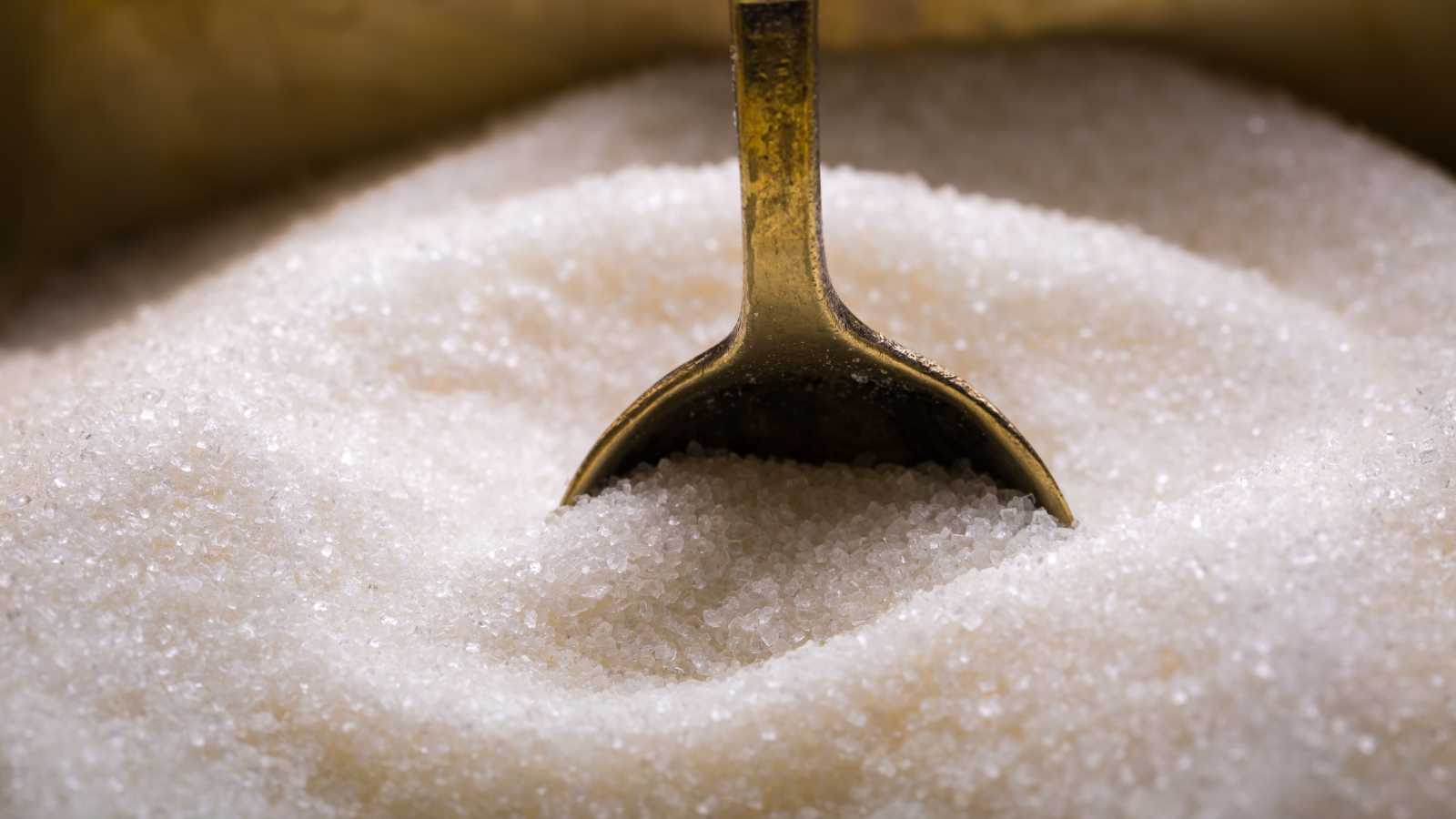
Sugar, that essential sweetener in so many of our favorite foods, has also gotten more expensive. Global supply issues, including poor harvests in major sugar-producing countries like Brazil, have pushed prices higher.
If you use sugar often, it might be time to adjust your budget. Try keeping an eye out for sales or stock up when prices drop. You could also experiment with using less sugar in your meals or drinks. And if you’re feeling adventurous, natural sweeteners like honey or maple syrup could be fun alternatives—and they might even save you a bit of money.
Key Takeaways
Food prices in 2025 are on the rise across the board, and for many U.S. families, this means higher grocery bills and tougher decisions at checkout. If it’s tomatoes, beef, coffee, or eggs, nearly every item has gotten more expensive. While these price increases can be frustrating, understanding the reasons behind them can help you adjust your shopping habits and make more intelligent choices.
From switching to more affordable protein sources to buying in bulk, there are ways to navigate these rising costs and keep your budget intact. Stay informed, plan, and remember—there are always strategies to save! Happy shopping!