10 Fascinating Superstitions People Still Believe Are True

Superstitions are ingrained in the fabric of cultures worldwide, shaping beliefs, actions, and even influencing major decisions.
Though many people dismiss superstitions as mere folklore, some persist so strongly that individuals often mistake them for facts.
These beliefs shape everything from daily rituals to significant life choices, and their influence transcends geographical boundaries.
The Mysterious Myth of Gum Turning into Flesh
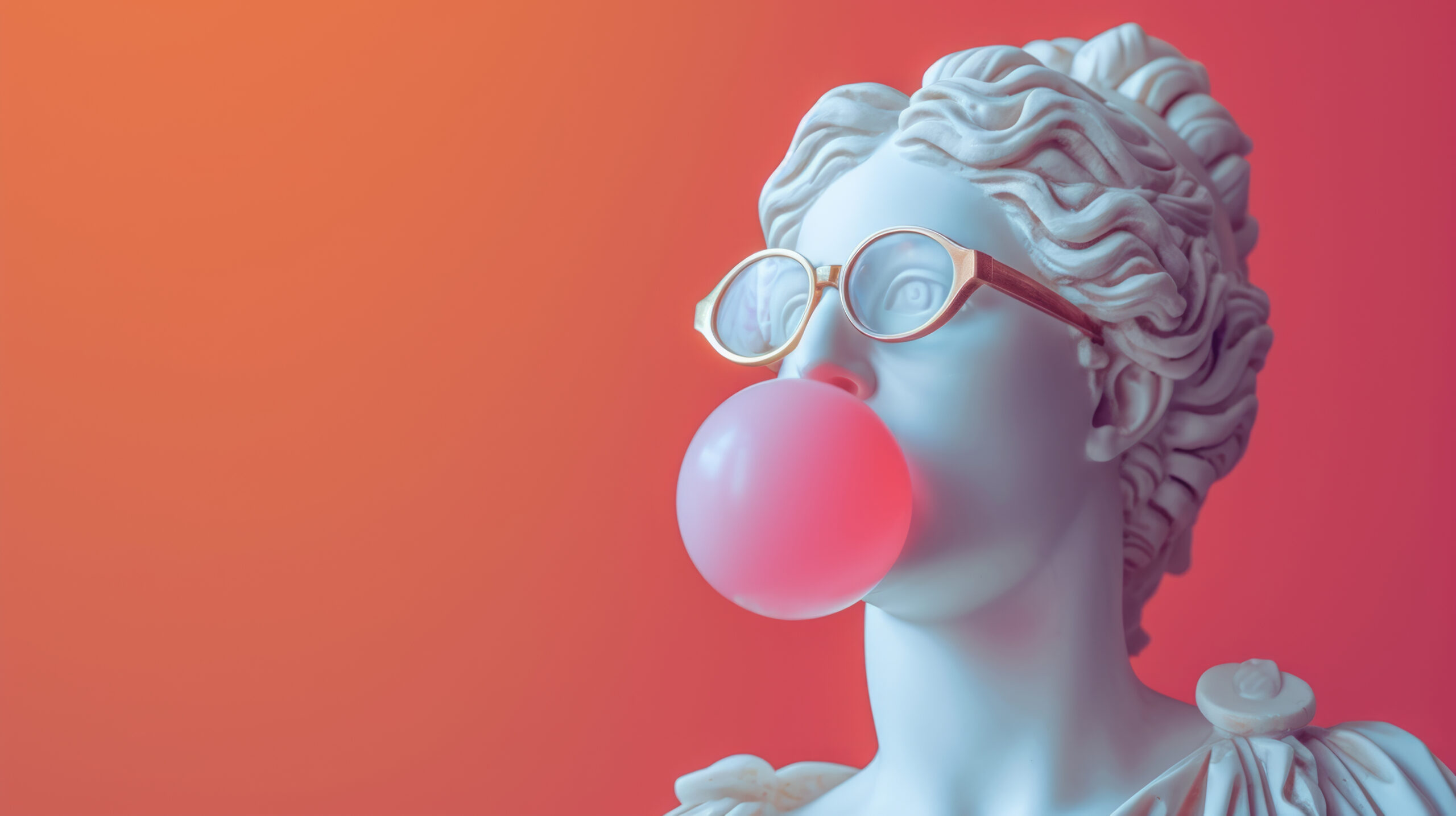
In Turkey, parents warn children not to chew gum after dark, claiming it will turn into dead people’s flesh. This eerie superstition, though grounded in no factual scientific basis, continues to be perpetuated across various cultures.
It’s commonly believed that chewing gum after sunset can trigger bizarre digestive reactions or cause health problems, but in reality, it has no adverse effects on our health.
The Korean Fear of Fan Death
One of the most well-known superstitions in South Korea is the belief that sleeping in a closed room with a running fan can result in death. This myth is taken so seriously that many electric fans in South Korea are equipped with timers that automatically turn them off.
The Number Four and Its Deadly Association
In several East Asian cultures, particularly in China and Japan, the number four is considered to bring death. The superstition arises from the fact that the word for “four” in both Mandarin and Cantonese sounds similar to the word for “death.”
This belief has permeated everyday life so profoundly that many buildings skip the fourth floor, and people avoid using the number four in phone numbers, license plates, and even product packaging.
Mirrors Facing Each Other- Gateway to Evil
In Mexican folklore, placing two mirrors facing each other is thought to open a portal to the underworld. This superstition has spread across various cultures and even influenced modern interior design.
Some people believe that mirrors positioned this way invite demonic spirits into the home, and they avoid such arrangements, claiming that they can disrupt the “energy flow” of the space.
The Curse of Sweeping on New Year’s Day
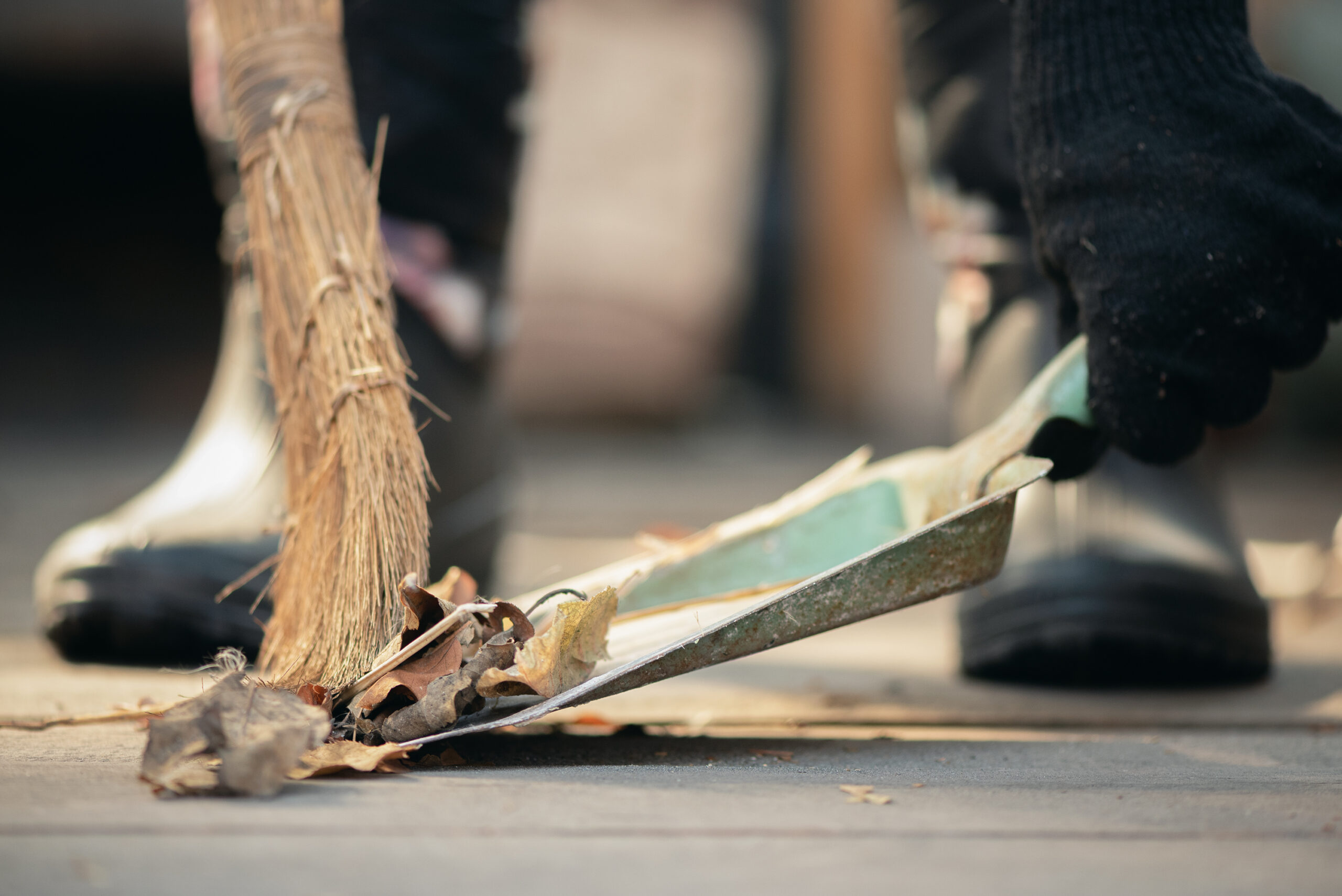
In many Asian cultures, it is considered highly unlucky to sweep or clean your house on New Year’s Day, especially during the Lunar New Year celebrations.
The superstition suggests that sweeping on this day will sweep away the good fortune and prosperity that is meant to come in the new year.
Birthday Candle Rituals and Their Powers
The tradition of making a wish when blowing out birthday candles is widely practiced, but did you know that around 28% of Americans believe this ritual actually affects whether their wish will come true?
According to this superstition, it’s crucial to blow out all the candles in one breath, and telling anyone your wish will prevent it from materializing.
Writing Names in Red Ink Brings Misfortune
In South Korea, writing someone’s name in red ink is considered taboo and is believed to bring bad luck, particularly a shortened life.
This superstition dates back to the practice of writing the deceased’s name in red ink on funeral documents. Over time, this belief evolved into social norms, with people avoiding red ink in daily life, especially when writing names.
Itchy Palms Predict Financial Shifts
Across many cultures, the superstition that an itchy palm can predict financial changes is widely believed.
An itchy left palm suggests money is about to leave your hands, while an itchy right palm means money is coming your way. This belief spans across cultures, from the Caribbean to Turkey, where people often take their palm itches as signs of impending financial gain or loss.
Cutting Nails at Night Shortens Parents’ Lives
In several Asian cultures, cutting your nails after sundown is considered bad luck and is believed to shorten your parents’ lifespan.
This superstition likely originated from practical reasons, such as poor lighting making it difficult to safely trim nails in the dark, but over time, it evolved into a belief with serious consequences.
Opals Are Unlucky, Unless They Are Your Birthstone

The superstition surrounding opals suggests that they bring bad luck to anyone who wears them unless they are born in October.
This belief became popular after the publication of Sir Walter Scott’s novel Anne of Geierstein, in which an opal gemstone brought misfortune to its owner. This idea was further perpetuated by diamond dealers, who spread rumors to protect the diamond market.
Conclusion
Superstitions are fascinating remnants of ancient beliefs that continue to influence people’s behavior today. Whether they stem from cultural taboos, historical events, or mere coincidence, these beliefs hold absolute power over individuals’ actions and perceptions.
Understanding these superstitions not only provides insight into different cultures but also reveals the human tendency to seek explanations for the unknown and maintain control over the uncontrollable.
While science may debunk many of these beliefs, their persistence in modern society underscores the complex relationship between folklore, psychology, and cultural identity.