

This article was originally published on Crafting Your Home. A human contributor wrote and edited the post.
America may be approaching the end of an era filled with handwritten checks, ringing landlines, folded road maps, and family photographs carefully arranged inside heavy albums.
Baby Boomers, generally defined as Americans born between 1946 and 1964, grew up in a physical world. Bills arrived in envelopes, phone numbers were memorized, newspapers landed on doorsteps, and broken appliances were repaired instead of immediately replaced.
By 2030, every member of the Baby Boomer generation will be at least 65 years old. As this enormous generation ages, many familiar objects and traditions could lose their last loyal group of everyday users. These things may not disappear completely.
Collectors, traditionalists, and younger people searching for nostalgia could keep some of them alive. However, without Boomers regularly using, buying, and preserving them, the following 10 pieces of daily American life could become increasingly rare.
Paper checks
For millions of Baby Boomers, writing a check still feels safer and more official than tapping a screen. A check creates a physical record, fits neatly inside a greeting card, and allows the writer to see exactly where the money is going. That habit is steadily fading.
In 2025, only 33 percent of consumers reported using a paper check during the previous 30 days, down from 35 percent one year earlier. Electronic transfers, payment apps, debit cards, and automatic billing are removing the need for checkbooks. When Boomers stop ordering new boxes of checks, the familiar ritual of writing the date, amount, recipient, and signature may become something younger Americans encounter mainly in old movies.
Traditional landline telephones
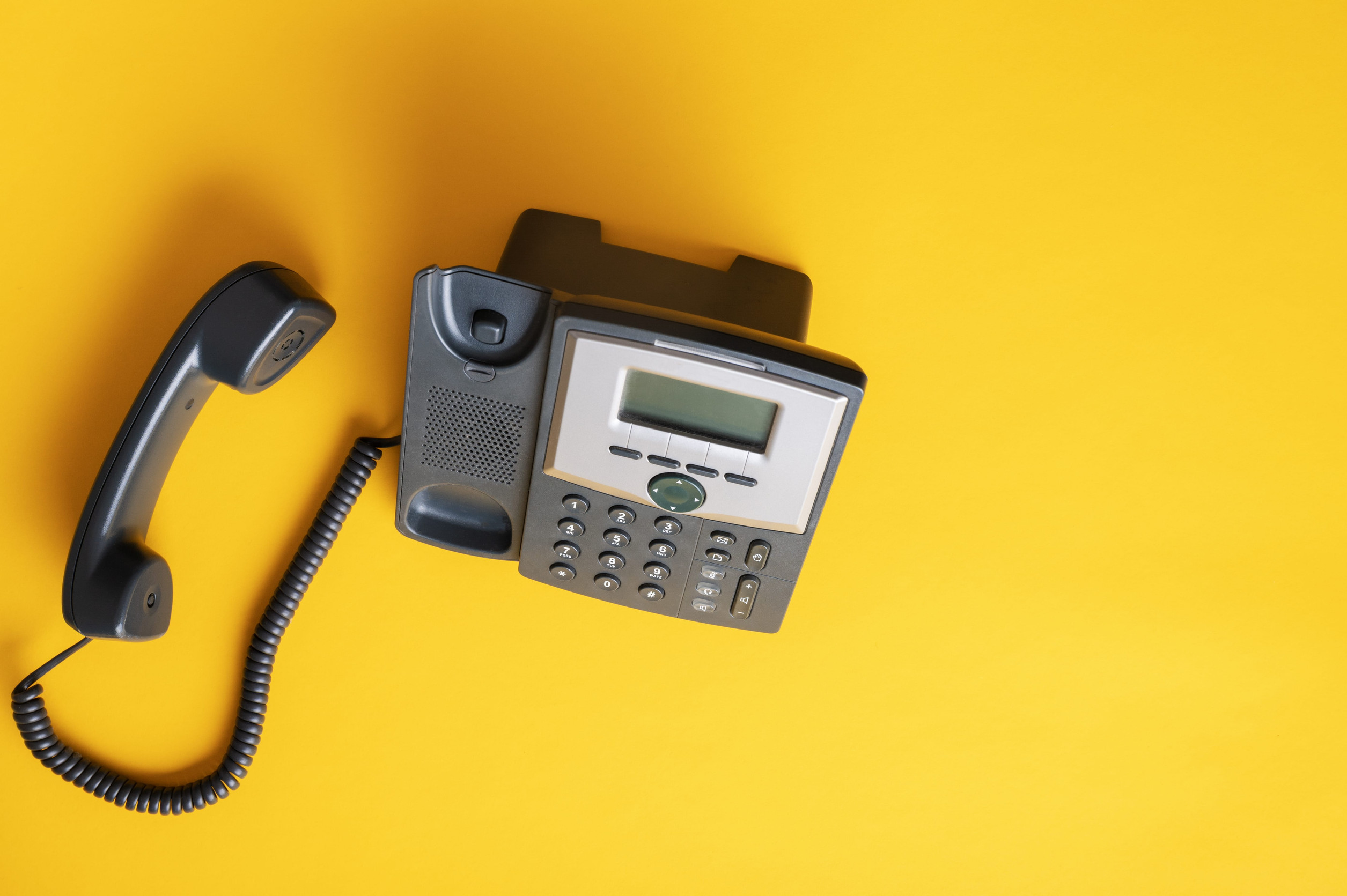
The household landline once occupied a place of honor in the kitchen, hallway, or living room. Its long cord stretched around corners, everyone in the family shared the same number, and privacy depended on finding an empty room. Today, approximately 73 percent of American households rely exclusively on wireless phones, while only about 1 percent depend solely on landlines.
Many older adults continue to keep traditional phones because they value their sound quality, familiarity, and reliability during emergencies. As telephone companies retire aging copper networks, the landline’s unmistakable ring could eventually disappear from American homes.
Personal address books
Before smartphones stored thousands of contacts, people kept small books filled with names, addresses, birthdays, and telephone numbers. The entries were often written in different inks as friends moved, married, divorced, or changed numbers. Baby Boomers frequently maintain these handwritten records because they contain more than contact information.
They document decades of relationships. A crossed-out address can represent an old house, a lost friendship, or an entire chapter of life. Younger generations usually trust cloud storage and synchronized contact lists. Once physical address books are thrown away, the personal history hidden in their margins may disappear with them.
Handwritten letters and mailed greeting cards

Baby Boomers helped preserve the tradition of choosing a card, writing a personal message, buying a stamp, and placing the envelope in a mailbox. Birthdays, graduations, weddings, illnesses, and holidays once seemed incomplete without something arriving through the mail.
Digital communication has weakened that tradition. First-Class Mail volume, including letters and postcards, fell from 92 billion pieces in 2008 to 46 billion in 2023, a decline of 50 percent.
A text message arrives instantly, but it rarely gets stored in a dresser drawer for 30 years. When the mailed-card generation is gone, physical messages carrying familiar handwriting may become deeply personal treasures rather than routine gestures.
Printed daily newspapers
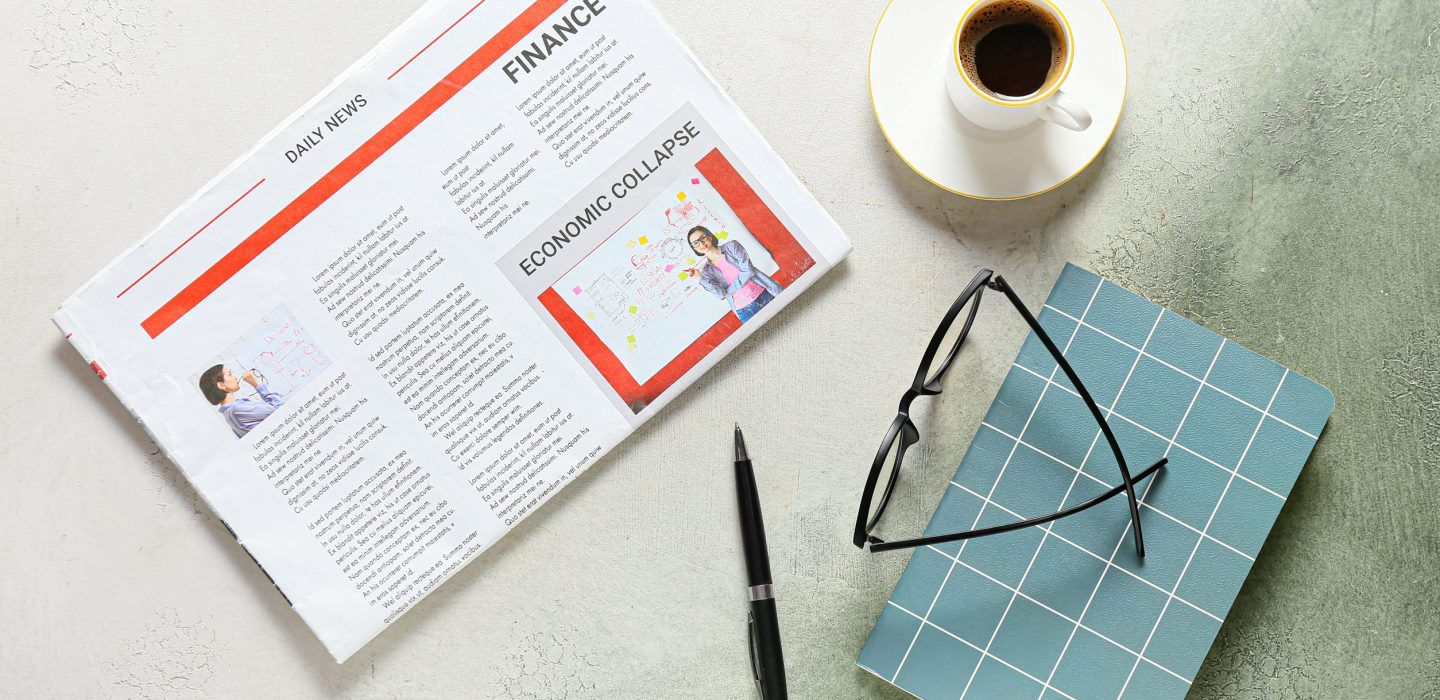
For many Boomers, the morning once began with coffee and the newspaper. Readers unfolded enormous pages across the kitchen table, checked local news, studied sports scores, searched the classifieds, and completed the crossword with a pencil.
That daily ritual has weakened as news moves onto phones and social platforms. Only 36 percent of American adults said they obtained news from a local daily newspaper at least sometimes in 2025, compared with 43 percent in 2018. Digital news will survive, but the sound of pages turning at breakfast could become another household memory.
Road maps in the glove compartment
Opening a paper map required patience, concentration, and enough space to unfold something roughly the size of a dining table. Drivers highlighted routes, circled destinations, and learned the names of towns they never intended to visit. GPS navigation now gives turn-by-turn instructions, traffic alerts, arrival times, and automatic rerouting.
As a result, many drivers no longer study the larger geography surrounding their journey. Paper maps still have value in national parks, rural regions, and places with weak cellular service. Yet the battered highway atlas stuffed inside nearly every family vehicle could vanish as Boomers stop taking the wheel.
Family photo albums
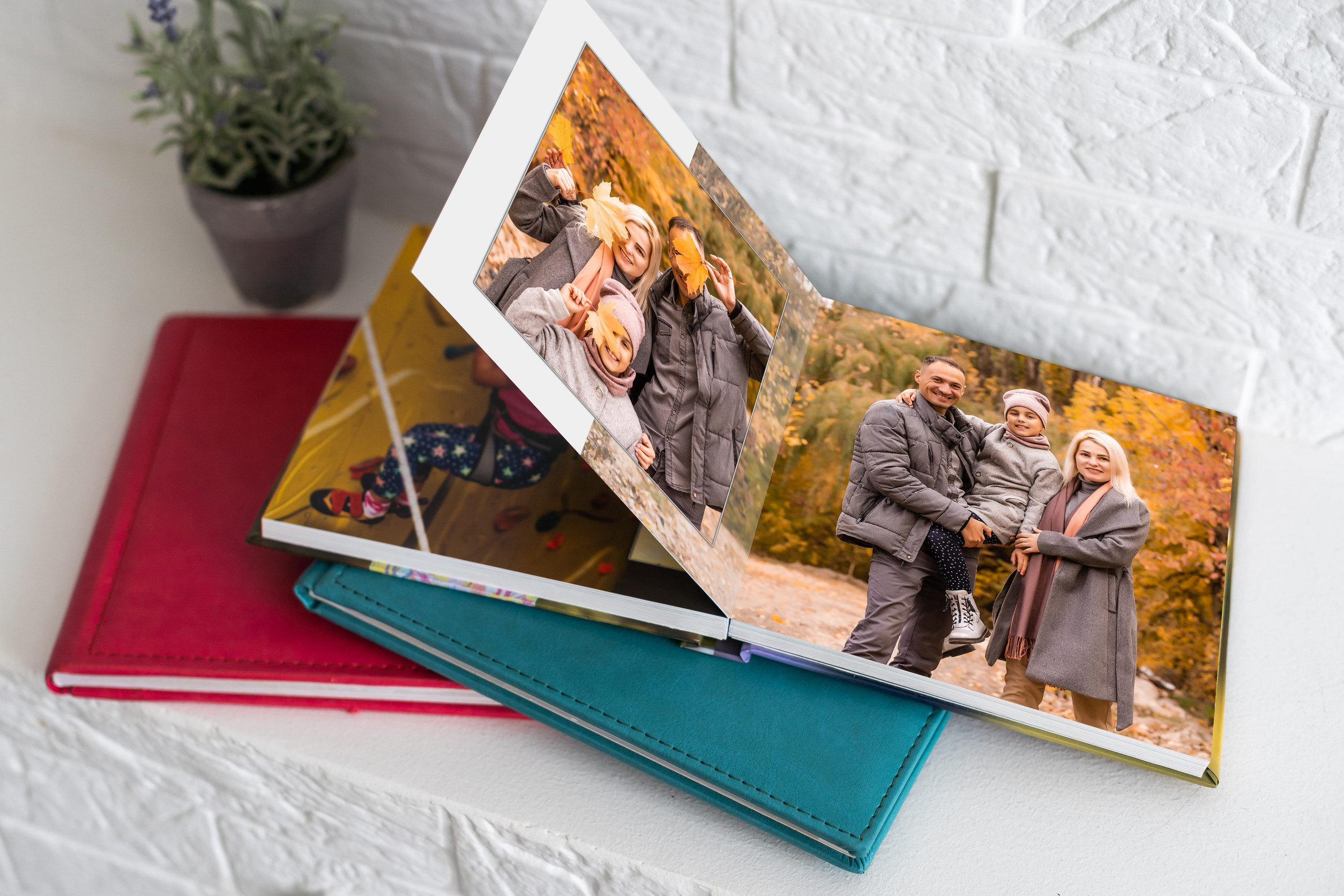
Boomer households often contain shelves of thick albums holding school portraits, vacation snapshots, wedding photographs, and pictures of relatives whose names only one family member still remembers. Modern families take far more photographs, but most remain trapped on phones, social media accounts, and cloud folders.
The physical album, arranged by hand and shared during family gatherings, is becoming less central. The danger is not that photography will disappear. It is that memories will become harder to preserve across generations. A printed picture can survive a forgotten password, a discontinued app, a damaged phone, or a deleted account. A digital image may not.
Cash envelopes and change jars
Cash remains an important budgeting tool for many older Americans. Bills can be divided into envelopes for groceries, transportation, entertainment, and emergencies. Coins are dropped into jars until they become vacation money or gifts for grandchildren.
Federal Reserve research found that adults aged 55 and older used cash for 19 percent of their payments in 2024. People between 18 and 24 used it for only 10 percent of payments, showing a clear generational divide. As mobile wallets grow, future children may rarely experience counting coins on the kitchen table or saving crumpled dollar bills in a jar.
Household sewing and repair kits
Many Boomers grew up in households where torn clothing was stitched, loose buttons were replaced, and small appliances were examined before being discarded. A sewing basket, toolbox, glue drawer, or container of spare screws could solve dozens of household problems.
Cheap mass production and rapid delivery have changed that mindset. Replacing an item can feel faster than repairing it, especially when products are difficult to open or parts cost nearly as much as a replacement. The tools may remain available, but the everyday habit of fixing ordinary possessions could disappear without people willing to teach it.
Watching television at a scheduled time
Boomers remember when viewers had one opportunity to see a program. Families planned evenings around television schedules, commercial breaks provided time to grab snacks, and missing an episode meant waiting for a rerun.
Streaming eliminated that structure. Entertainment is now available at any hour, usually across several devices. Viewers pause programs, skip introductions, binge entire seasons, and abandon shows without waiting for next week.
The communal experience of millions of Americans watching the same entertainment at the same moment still exists during major sports and national events. However, ordinary appointment television could fade with the generation that built its evenings around it.
A generation is leaving more than objects behind
The disappearance of these things would represent more than technological progress. Each object carries a way of thinking about patience, privacy, memory, responsibility, and human connection. A handwritten letter required effort.
A paper map demanded awareness. A repaired shirt reflected resourcefulness. A family album turned forgotten moments into something grandchildren could hold.
Technology has made daily life faster and more convenient, but convenience does not automatically preserve meaning. As Baby Boomers age, younger generations must decide which traditions deserve to be carried forward and which will be allowed to disappear.
The checkbook, landline, newspaper, address book, and change jar may look outdated. Yet behind each one is a reminder that ordinary objects often become culturally valuable only when the people who understood them are no longer here.
If you like what you just read, then subscribe to our newsletter and follow us on social media.


