

The post 10 Damaging Marriage Behaviors That Often Begin in Childhood first appeared on Crafting Your Home.
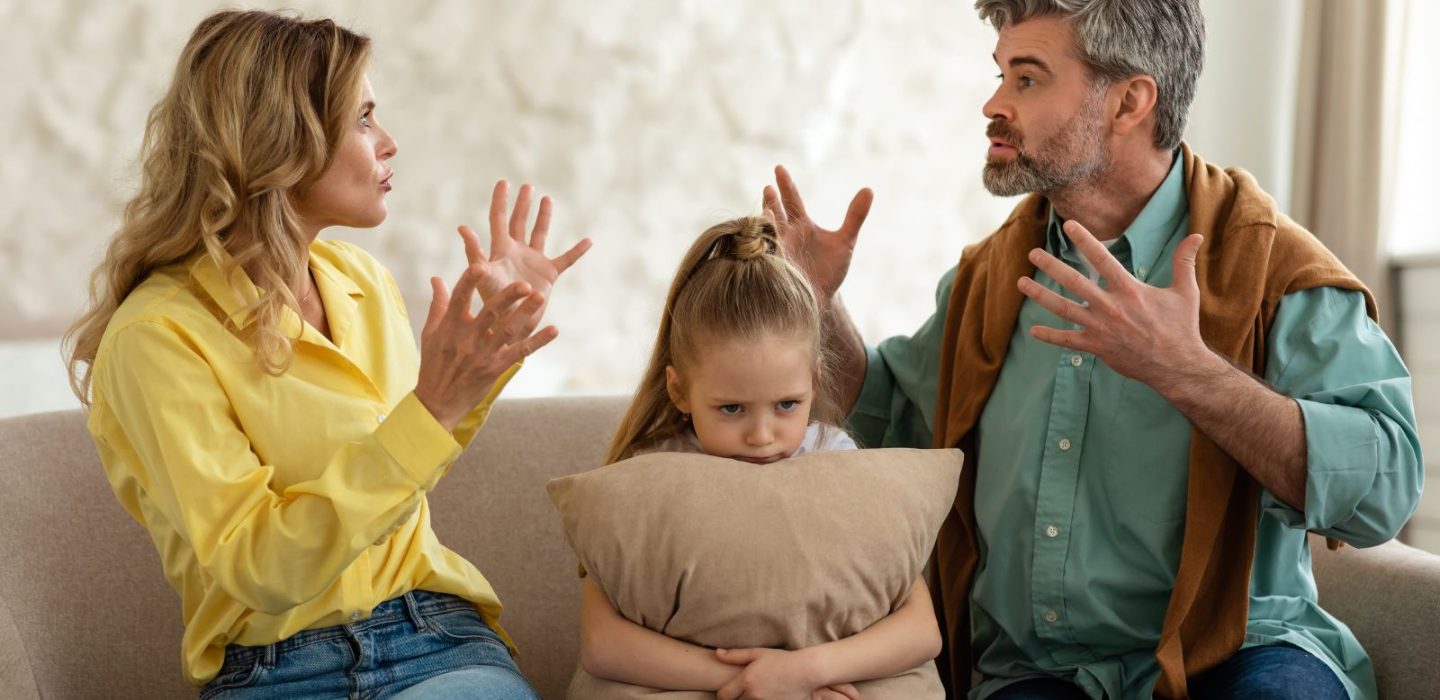
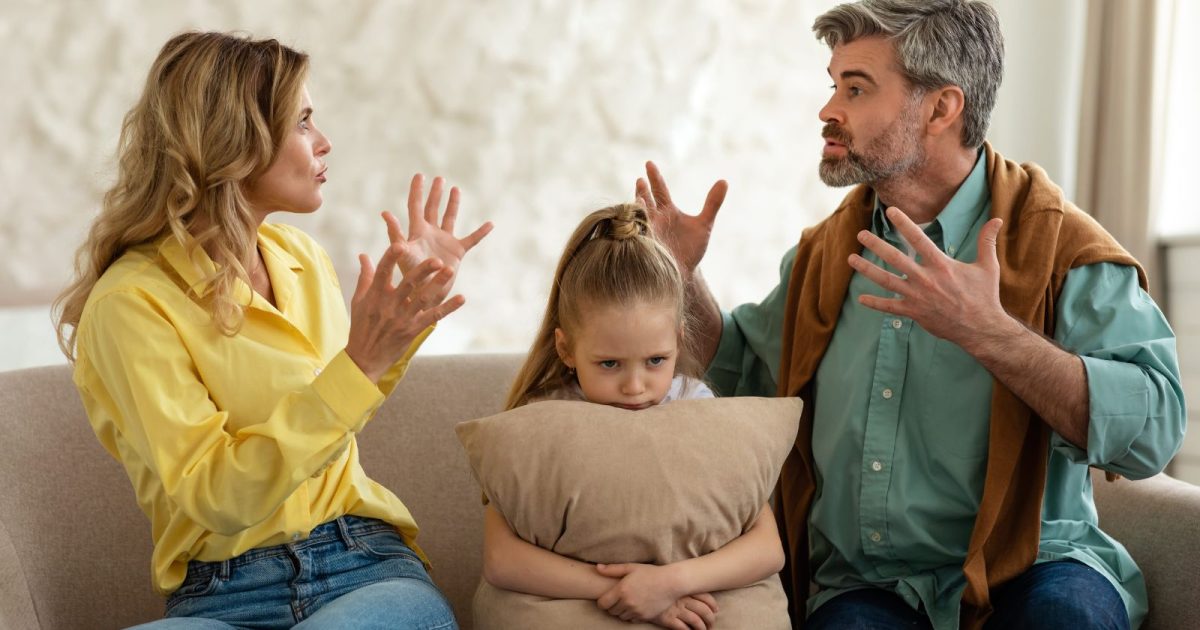
Childhood does not determine the future, but it can leave behind patterns that follow people into adulthood. The way someone learned to handle emotions, conflict, affection, and trust growing up can influence how they respond inside a marriage.
Many relationship habits are not signs that someone is incapable of love. They can be familiar coping strategies learned long before adulthood, especially during moments of stress or disagreement. Understanding these patterns can help couples recognize what is happening beneath the surface and build healthier ways of connecting.
Shutting down during conflict

Some people respond to arguments by going silent, leaving the room, avoiding the conversation, or saying they do not care. While this may appear like indifference, it can sometimes be a learned response to stressful situations.
For someone who grew up around explosive arguments, criticism, or emotional silence, withdrawing may have once felt like the safest option. In a marriage, however, that same reaction can leave a partner feeling ignored or disconnected.
Needing constant reassurance
Some spouses repeatedly ask if everything is okay, worry about changes in communication, or need frequent reminders that the relationship is secure. These behaviors can create tension when one person feels they must constantly prove their commitment.
Early experiences with inconsistent affection, unpredictable caregiving, or conditional approval may influence how someone views closeness and trust later in life. Research has connected childhood emotional maltreatment with adult attachment patterns and relationship difficulties, although these connections vary from person to person.
Related: 10 Signs Your Partner May Be Quiet Quitting Your Relationship Without Saying It
Avoiding difficult conversations until resentment builds
Some people become experts at saying “everything is fine” even when something is bothering them. They may avoid asking for support, hide disappointment, or keep frustrations inside until they eventually come out during a much bigger argument.
This pattern can develop when expressing needs previously led to criticism, dismissal, or no response. A healthier approach is learning to address small concerns before they become years of accumulated frustration.
Doing everything alone and struggling to accept help
Some spouses take responsibility for everything in the household, from planning schedules to managing problems, while rarely asking for support. Over time, this can create exhaustion and feelings of being unappreciated.
People who learned early that they had to be responsible, dependable, or emotionally strong may struggle to trust others to step in. Independence can be valuable, but a healthy marriage also requires allowing a partner to contribute.
Related: 9 Beliefs That Keep Women Stuck in Unhappy Marriages Longer Than They Should
Having difficulty accepting love and kindness
Receiving compliments, affection, or support can feel uncomfortable for some people. They may dismiss praise, reject help, or assume kindness comes with expectations.
When affection was rare, conditional, or unfamiliar during childhood, genuine care can sometimes feel difficult to accept. Learning to receive love without immediately questioning it can become an important part of building stronger relationships.
Becoming controlling when feeling insecure
Fear can sometimes show up as attempts to control a partner’s actions, communication, friendships, or choices. Someone may believe they are protecting the relationship, while their partner experiences the behavior as pressure or a lack of trust.
A difficult childhood environment may contribute to a stronger desire for predictability and control, but fear does not make controlling behavior healthy. Respecting boundaries and building trust are essential parts of a strong relationship.
Struggling with emotional dependence
Some people pride themselves on never needing anyone. They handle problems alone, keep their worries private, and avoid asking for support even when they need it.
This hyper-independence can develop when relying on others previously resulted in disappointment or instability. While self-reliance can be a strength, marriage also requires vulnerability, cooperation, and the ability to let another person be supportive.
Mistaking chaos for passion
A calm relationship can sometimes feel unfamiliar to people who grew up around emotional unpredictability. They may mistake intense arguments, jealousy, or constant emotional highs and lows for deeper love.
When instability was part of someone’s early experience, peace can initially feel strange rather than comforting. A steady relationship built on communication and respect may take time to recognize as a healthy form of connection.
Reacting strongly to criticism
Some people experience even gentle feedback as a personal attack. A simple request may feel like a judgment about their entire character, leading to defensiveness, anger, or emotional withdrawal.
Growing up with constant criticism, shame, or unrealistic expectations can influence how adults interpret feedback later in life. Separating a specific behavior from personal worth can help couples communicate without turning every disagreement into a battle.
The patterns people bring into marriage are not permanent labels or proof that someone is damaged. Childhood experiences can influence reactions, but awareness creates an opportunity for change. A stronger marriage is built when couples learn to understand old habits, communicate openly, and choose healthier ways to connect.
Conclusion
Childhood experiences can influence the way people communicate, trust, and respond to conflict, but they do not define the future of a marriage. Many behaviors that create distance between partners are not signs of a lack of love; they are patterns that may have developed as ways to cope, protect, or feel safe.
The goal is not to blame the past for every present problem. It is to recognize the habits that no longer serve the relationship and replace them with healthier choices. A strong marriage is not built by two people with perfect histories, but by two people willing to understand each other, communicate honestly, and create a safer kind of love together.
Other Posts You Might Like:
If you like what you just read, then subscribe to our newsletter and follow us on social media.