


Getting ready for a medical appointment matters as much as the visit itself. Good preparation helps you make the most of your time with the doctor. By avoiding common mistakes, you can make the process smoother, help your doctor understand your needs, and have a more productive visit.
Lack of a Clear Purpose

Before your appointment, write down your symptoms, concerns, and any questions you have. If you only give a vague description, your doctor might not get the full picture.
Try to be specific: when did your symptoms start? Are they getting better or worse? What affects them? Taking a few minutes to note these details helps you and your doctor stay focused during your visit.
Forgetting Your Medication List
It’s common to forget some of the supplements or over-the-counter medicines you take, but this information is important for your care. Some medicines and supplements can affect your treatment or cause side effects that might confuse your doctor.
Make a list of everything you take, including prescriptions, vitamins, herbal products, sleep aids, and painkillers, and bring it with you. If you can’t remember them all, take a photo of the bottles to show your doctor.
Keeping Quiet About Key Symptoms
Many people feel embarrassed or try to downplay certain symptoms. But even small symptoms can give your doctor important clues about your health. Share everything, even if it feels awkward. Whether it’s stomach problems or emotional concerns, it all matters. Being open helps your doctor catch problems early and prevent future issues.
Drinking Coffee Before a Blood Pressure Check

Drinking coffee or other caffeinated drinks right before a blood pressure check can make your reading higher than it really is. Caffeine raises your heart rate and constricts blood vessels, which temporarily increases blood pressure.
If you have a checkup with a blood pressure test, avoid coffee for at least 30 minutes before your visit. This helps you get an accurate result and avoids extra worry or repeat tests.
Ignoring Fasting or Prep Instructions
If your doctor gives you instructions to fast or change your medication before your appointment, be sure to follow them exactly. Not doing so can affect your test results. For example, eating before a cholesterol test can make the results wrong and lead to a misdiagnosis.
Talk with your doctor ahead of time about any restrictions so you get the most accurate information during your visit.
Wearing Deodorant for a Mammogram
Deodorant is part of daily hygiene for many people, but it can cause problems before certain medical tests, such as mammograms. Many antiperspirants contain aluminum, which can appear as white spots on a mammogram and make the results unclear.
Deodorant isn’t harmful, but it can affect the images. To get clear results, don’t use deodorant, powders, or lotions on the day of your mammogram.
Arriving Without Records or Test Results

If you’ve seen a doctor before, not bringing your past test results or medical records can make it harder to have a full discussion. Old blood tests, imaging reports, and other records help your doctor understand your health better.
Ask your previous doctor or clinic to send your records to your new doctor before your visit. This saves time and helps avoid repeating tests or treatments.
Mentioning Big Issues Too Late
Sometimes, patients wait until the end of the visit to mention something that’s been bothering them, thinking it’s “not that important.” However, waiting too long can limit the time your doctor has to fully address it.
If something is significant enough to warrant an appointment, don’t leave it to chance. Bring up the most pressing issues early to ensure your doctor has adequate time to evaluate the problem, ask follow-up questions, and develop a treatment plan.
Hiding Supplements Before Surgery
It’s easy to think of vitamins and herbal supplements as “natural” and harmless. However, many supplements can interact with anesthesia, alter the effectiveness of medications, or even affect your surgery outcome. For example, supplements like ginseng or garlic can thin the blood and increase the risk of bleeding.
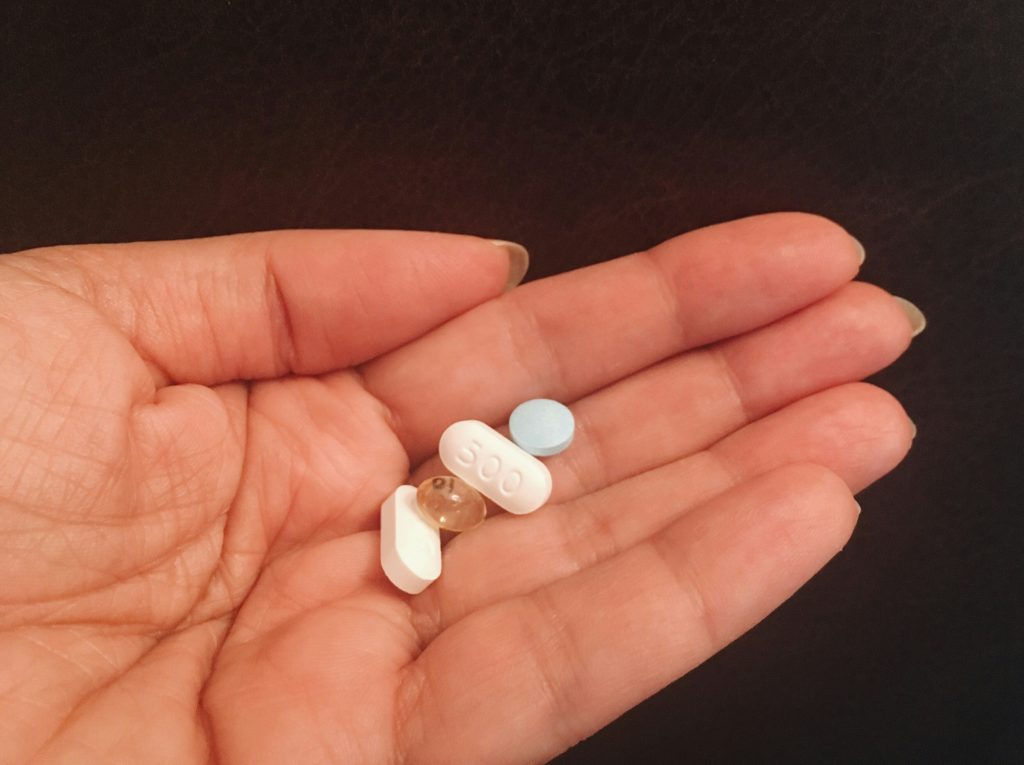
pina messina/ Unsplash
Always tell your healthcare provider about any supplements you’re taking and follow instructions on whether to stop them before surgery.
Going in Alone When You’re Overwhelmed
Doctor visits can feel overwhelming, especially if you’re dealing with a serious diagnosis. When you’re anxious or in pain, it’s easy to forget things or miss important details. Bringing a trusted friend or family member can help. They can take notes, remind you of questions, and help you understand what the doctor says. Having someone with you can make the visit less stressful and help you leave with all your questions answered.
Conclusion
Being prepared is key to a successful medical appointment. By avoiding these common mistakes, you can make your visit as helpful as possible. Organize your symptoms and medications, and be open with your doctor. These small steps can lead to better diagnoses, clearer communication, and more effective treatment.
Don’t let small mistakes keep you from getting the care you need. Arrive informed, honest, and ready to get the most from your visit.

