10 Bizarre Warning Labels That Became Necessary After Real-Life Incidents
Warning symbols for toxic substances with skull and crossbones on a dark background showcasing the concept of danger and caution in hazardous environments
Warning labels are often seen as an over-the-top attempt to cover every possible risk associated with a product. Yet, behind many of these seemingly absurd disclaimers lies a story of real-world accidents, lawsuits, and liability.
In this article, we explore 10 warning labels that were introduced due to genuine safety concerns.
These labels exist not just for comedic value, but to prevent dangerous misadventures that could harm consumers and expose manufacturers to serious legal risks.
“Do Not Iron Clothes While Wearing Them” – Iron Manufacturers

A Misstep That Led to Serious Injuries
At first glance, the warning “Do not iron clothes while wearing them” seems like a joke. But it’s a crucial safety feature on many household irons, including those made by Rowenta, Sunbeam, and Black+Decker.
Over the years, emergency room reports have documented several incidents where individuals suffered second- and third-degree burns while attempting to iron clothes while wearing them.
One such incident involved a man from Wisconsin in 2002, who suffered severe burns while ironing his shirt while it was still on his body. These types of accidents, though rare, prompted the inclusion of this warning label.
Consumer safety groups emphasize that while most people wouldn’t think of ironing their clothes while wearing them, the label was introduced after enough cases of “foreseeable misuse.”
The goal is to avoid potential lawsuits and ensure safety by addressing a risk that could otherwise be overlooked.
“Do Not Hold the Wrong End of a Chainsaw” – Swedish Chainsaw Safety Manual
Preventing Life-Threatening Injuries
While it may seem like a no-brainer, the warning “Do not hold the wrong end of a chainsaw” exists on many chainsaw safety manuals, including those from leading manufacturers like Husqvarna.
This cautionary statement stems from a series of accidents where inexperienced users grabbed the moving chain while attempting to restart a jammed chainsaw or clear debris.
In some cases, users braced the saw against their body, not realizing the chain was still active, resulting in serious injuries.
Such incidents, particularly in rural areas where rental tools are commonly used, led to the widespread adoption of this warning in chainsaw safety manuals.
Despite its humorous tone, this warning is a direct response to life-threatening accidents and is crucial for preventing serious harm.
“Do Not Use While Sleeping” – Hair Dryer Safety Warnings
Preventing Fires in the Bedroom
Hair dryers are meant for drying hair, but they can pose serious risks if used improperly.
The warning “Do not use while sleeping” is necessary because in the 1990s, several house fires were caused by hair dryers left running on bedding or carpets. In one case, a teenage girl fell asleep while drying her hair in bed, and the device caught the blankets on fire, causing significant damage.
This warning was added after multiple incidents where individuals, often under the influence of medication or alcohol, used hair dryers while lying down.
Fire departments began reporting these accidents frequently, prompting the U.S. Consumer Product Safety Commission (CPSC) to issue updated safety guidelines.
The addition of this warning on hair dryers, along with the inclusion of automatic shut-off features on some models, underscores the need to ensure safety when using electrical appliances.
“Not Intended for Use as a Dental Drill” – Dremel Tool Warning
Avoiding Painful DIY Dental Procedures
Dremel rotary tools are beloved for their versatility, being used for tasks like wood carving, jewelry polishing, and metal cutting.
However, some users have gone too far, using these tools for amateur dental procedures, such as filing down teeth or attempting to repair crowns and fillings. This led Dremel to include the warning “Not intended for use as a dental drill.”
In one alarming incident, a Florida man used a Dremel tool to sand down a cracked molar, resulting in a painful infection and the eventual extraction of the tooth.
Many similar cases of amateur dentistry have been reported, prompting Dremel to ensure that consumers understand the risks of using their products for non-intended purposes. This warning has become standard in product manuals, preventing users from substituting a rotary tool for professional dental care.
“Remove Child Before Folding” – Graco Stroller Warning

Protecting Children from Folding Accidents
The “Remove child before folding” label may seem obvious, but it’s a necessary warning that has saved many children from injury.
This label is particularly common on strollers from brands like Graco, Chicco, and Evenflo.
Unfortunately, some parents, in a rush or distracted, attempted to fold their strollers without removing their children, resulting in minor injuries such as pinched fingers or bruising.
One widely cited case involved a distracted caregiver who tried to collapse a stroller with a toddler still inside.
Though the child was unharmed, the incident prompted stroller manufacturers to place more prominent warnings on their products.
This precaution is a direct result of human error, reminding users that even seemingly simple tasks, like folding a stroller, can be dangerous when not done properly.
“Never Use a Lit Match or Open Flame to Check Fuel Level” – Gasoline Containers
Preventing Explosive Mishaps
The warning “Never use a lit match or open flame to check fuel level” is one of the most important safety measures found on gasoline containers.
It may sound obvious, but unfortunately, several accidents have occurred when people attempted to determine the fuel level in their gas cans by holding a lit match or lighter over the opening.
In one notable case, two teenagers in Oklahoma tried to check their lawnmower’s fuel level with a lit match, leading to a violent explosion that caused severe burns.
Such incidents, especially when people check fuel levels in poorly lit conditions, have led to the widespread adoption of this warning on fuel containers and gasoline-powered devices.
These tragic accidents have led to an increased emphasis on safety to prevent similar mishaps in the future.
“This Product Is Not a Life-Saving Device” – Pool Noodles
Clarifying Misconceptions About Pool Toys
Pool noodles are a staple of summertime fun, but they are not designed to save lives.
Despite being used for floating in pools, many consumers mistakenly assumed that pool noodles could be relied on for buoyancy, much like a life vest or flotation device.
Tragically, a child in Texas drowned while using a pool noodle in deep water, prompting manufacturers to introduce the warning “This product is not a life-saving device.”
This warning reminds consumers that pool noodles are not regulated as flotation devices and should never replace proper supervision or certified safety equipment.
The label was introduced to reduce confusion and liability, ensuring that both parents and children understand the limitations of these pool toys.
“Do Not Eat the iPod Shuffle” – Apple Product Warning
Preventing Accidental Ingestion
Apple’s iPod Shuffle, a compact and portable music player, has an unusual warning: “Do not eat the iPod Shuffle.”
Although this warning might seem odd, it became necessary after reports surfaced of children attempting to swallow the small device.
Despite being a small, compact gadget, the iPod Shuffle’s size made it tempting for young children to put it in their mouths, posing a choking hazard.
Apple introduced this warning to address potential risks and ensure that consumers, particularly parents, were aware of the dangers associated with small electronic devices.
This label, while seemingly bizarre, serves as a necessary reminder to be cautious with small items around children.
“Do Not Use Near Open Flames” – Aerosol Products
Preventing Fire Hazards in Everyday Products
Many aerosol products, from hairspray to cleaning supplies, carry the warning “Do not use near open flames.”
While this may seem obvious, several incidents have occurred in which consumers used these products near open flames, leading to fires and explosions.
In one well-known case, a woman in California accidentally ignited her hairspray near a stovetop, resulting in severe burns.
Aerosol cans contain flammable propellants, which can catch fire when exposed to high heat or open flames.
As a result, manufacturers have made it standard practice to include this warning on aerosol products, ensuring that consumers understand the risks and use them safely.
“Do Not Use While Driving” – Cell Phone Accessories
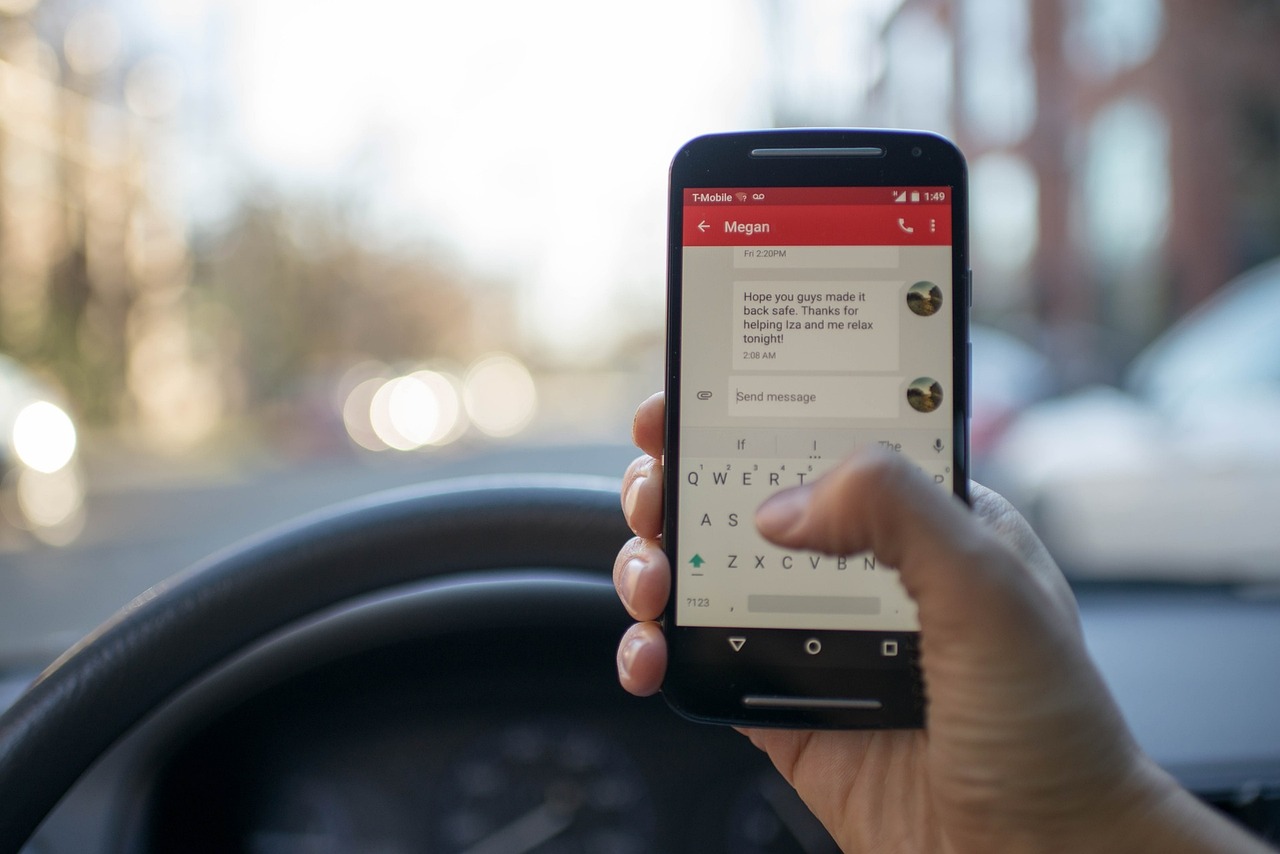
Addressing Distracted Driving Risks
With the rise of smartphones, manufacturers of cell phone accessories have added the warning “Do not use while driving” to their product labels.
This caution has been prompted by the growing concern over distracted driving and the increasing number of accidents caused by texting or using mobile devices while behind the wheel.
This label serves as a reminder that using a mobile device while driving can lead to accidents, and it is essential for consumers to prioritize safety by avoiding distractions when operating a vehicle.
Conclusion
The warning labels discussed above may seem humorous or excessive at first glance, but they all serve a vital purpose in preventing accidents, injuries, and legal liability.
They are the result of real-world experiences and incidents that led manufacturers to take action to protect consumer safety.
While these labels may sound absurd, they exist to remind us of the unexpected dangers that can arise from seemingly harmless activities and objects.