10 Best Plants for Rain Gardens to Combat Runoff and Erosion
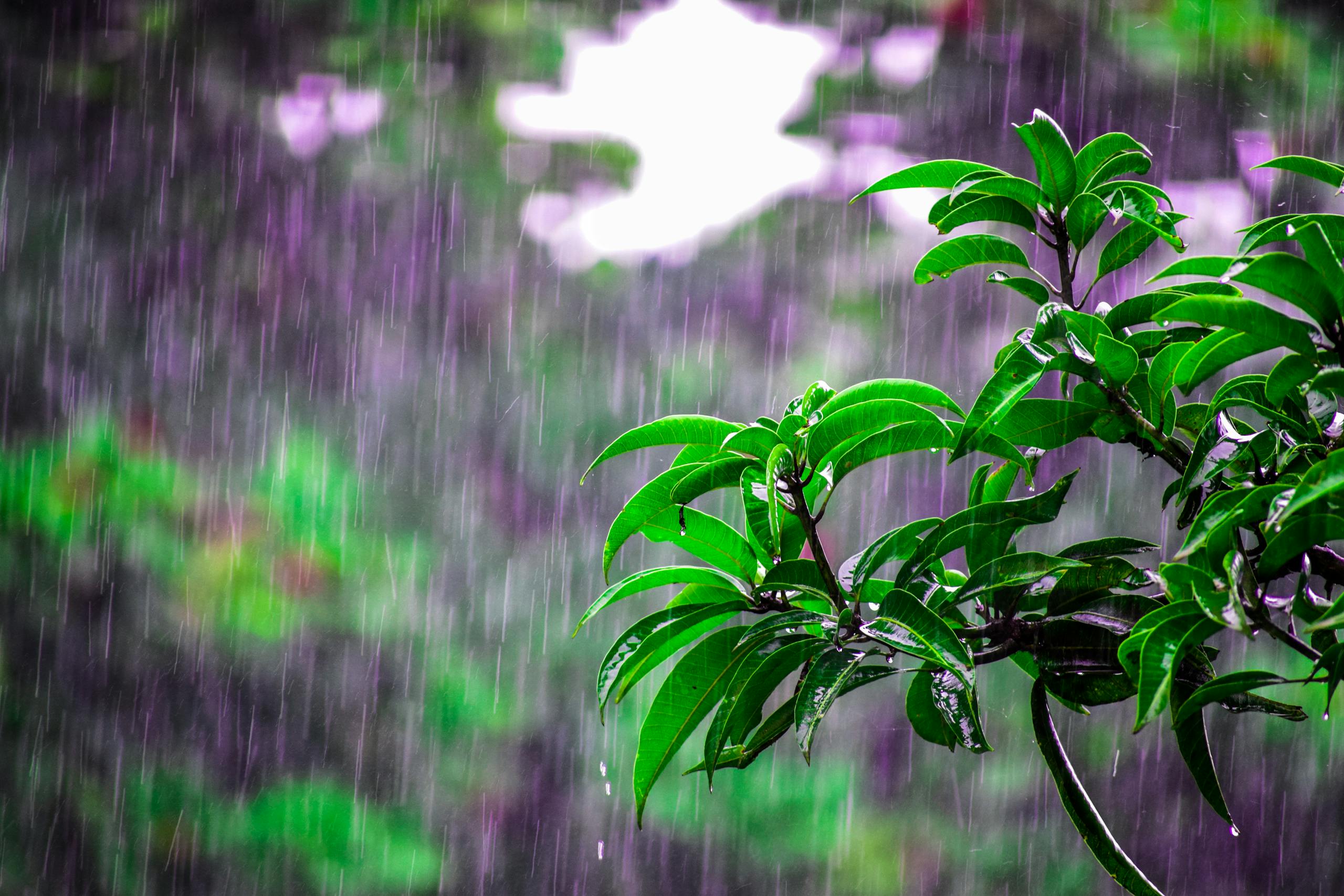
Rain gardens are an excellent solution for managing water runoff and promoting healthy ecosystems in your yard.
By strategically placing native and water-loving plants, rain gardens not only absorb excess water but also create habitats for local wildlife.
Whether you’re dealing with drainage issues, or just want to create a visually appealing garden, incorporating these plants will help reduce erosion and manage water flow effectively. Below are 10 of the best rain garden plants that thrive in wet, boggy conditions.
Blue Flag Iris (Iris versicolor)
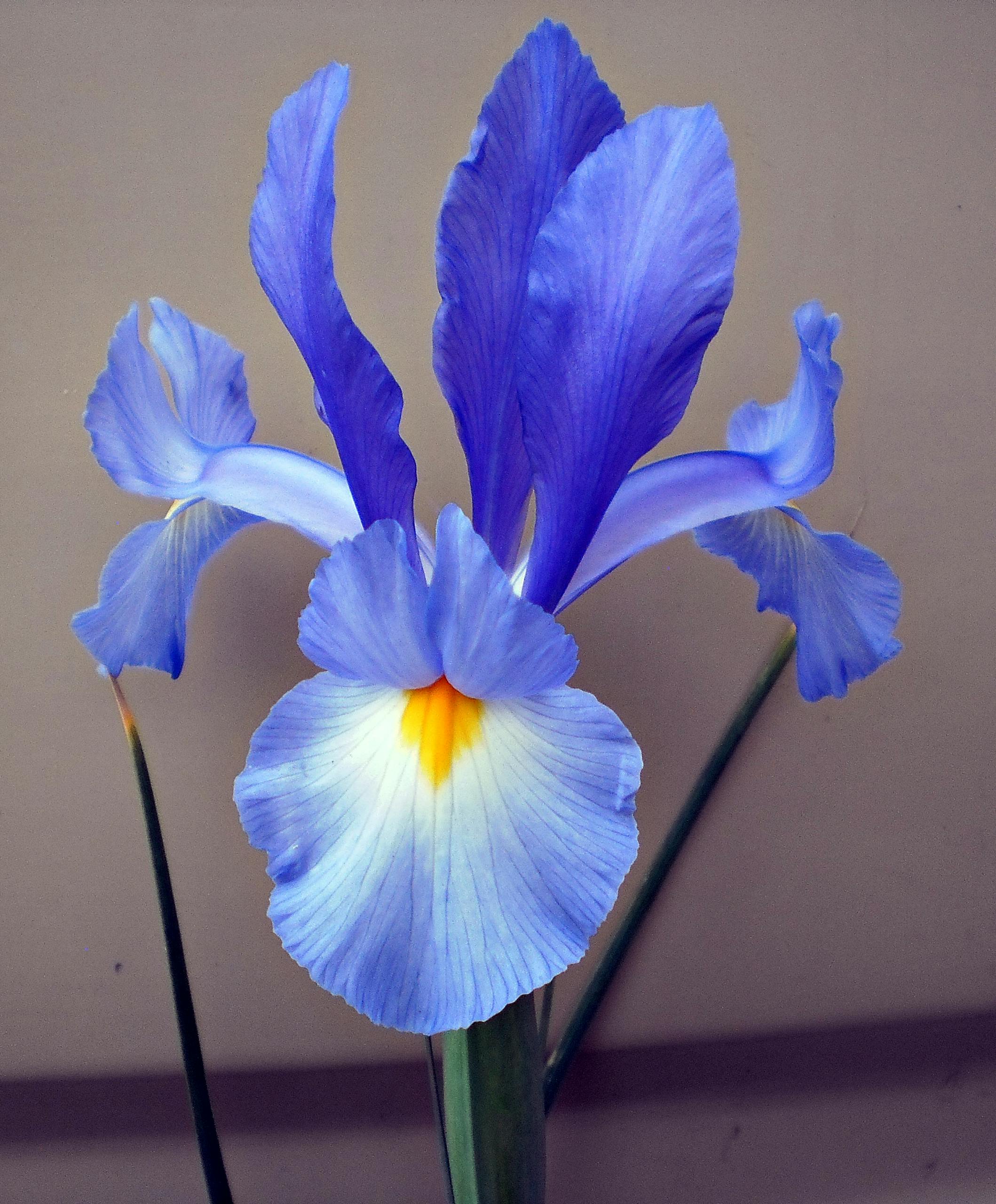
The blue flag iris is a perfect choice for rain gardens. With its striking blue-purple flowers and tall, sword-shaped foliage, this plant thrives in moist to wet conditions. It adds a vertical element to your garden and attracts pollinators, especially bees and butterflies, ensuring a biodiverse environment.
- USDA Hardiness Zones: 3–9
- Size: 2–3 feet tall and wide
- Water Needs: High
- Planting Tip: Best planted in moist, well-drained soil at the edges of the rain garden.
Cardinal Flower (Lobelia cardinalis)
The cardinal flower, with its brilliant red blooms, brings bold color to your rain garden. It grows in wet soil and attracts hummingbirds, bees, and butterflies, making it a must-have for biodiversity. Its bright, showy flowers bloom from mid-summer through early autumn, adding a dramatic flair to your landscape.
- USDA Hardiness Zones: 3–9
- Size: 2–5 feet tall; 1–2 feet wide
- Water Needs: High
- Planting Tip: Ideal for planting near the center of a rain garden, where the water collects.
Ditch Lily (Hemerocallis fulva)
The ditch lily, often found along roadsides, can tolerate damp and even flooded conditions, making it a fantastic addition to rain gardens. With its striking orange trumpet-shaped flowers, it blooms in mid-summer and thrives in moist, well-drained soils. Though invasive in some regions, it can provide robust growth in the right areas.
- USDA Hardiness Zones: 3–8
- Size: 2–4 feet tall and wide
- Water Needs: Moderate
- Planting Tip: Best placed near the edges of the rain garden, where water is less concentrated.
Japanese Primrose (Primula japonica)
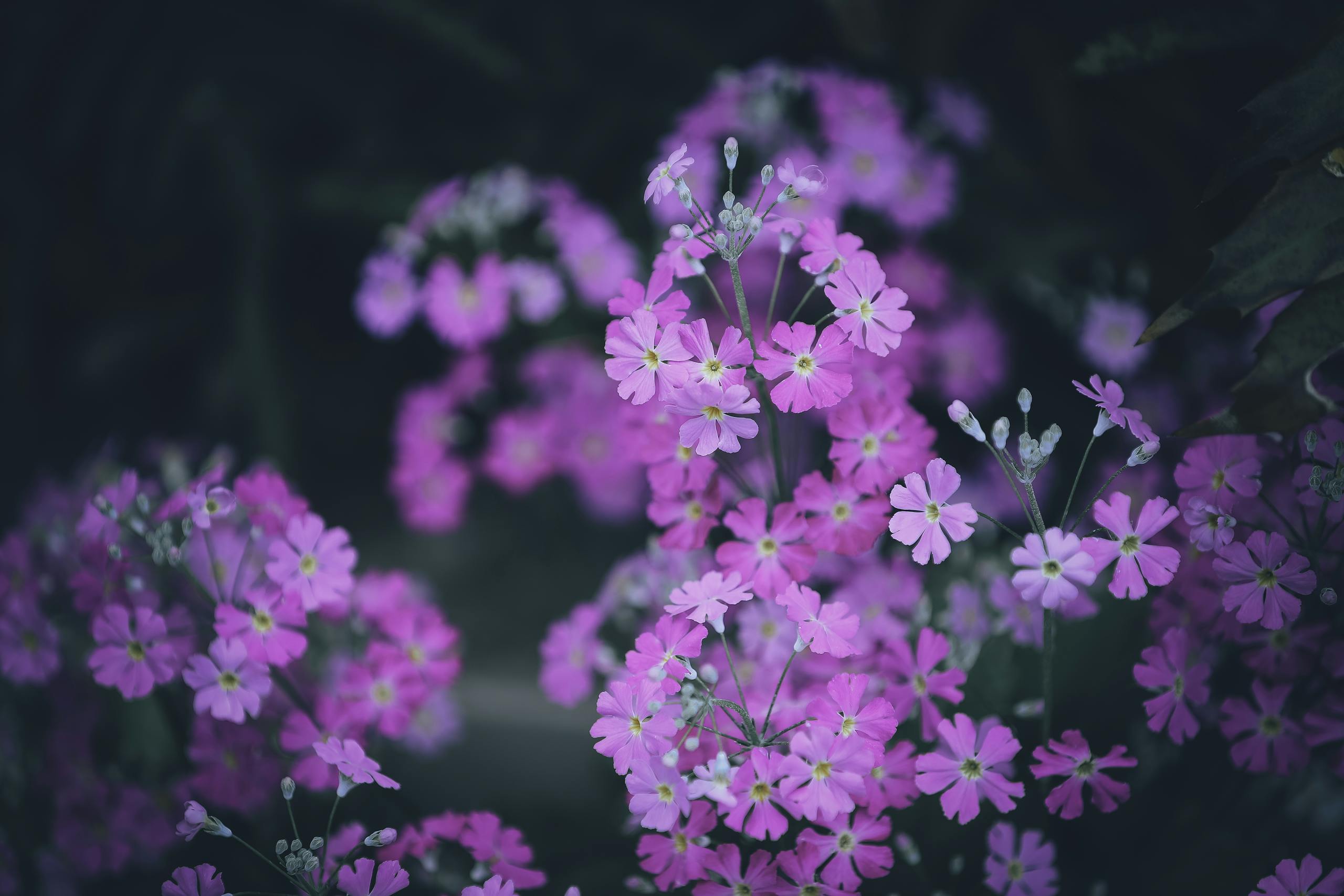
The Japanese primrose flourishes in wet, boggy conditions, making it ideal for rain gardens. This perennial produces clusters of small, vibrant flowers, creating a lush and colorful display. Its late spring and early summer blooms provide a refreshing contrast to other plants in your garden.
- USDA Hardiness Zones: 4–8
- Size: 16–24 inches tall; 12–24 inches wide
- Water Needs: High
- Planting Tip: Plant in areas with standing water or consistently moist soil.
Marsh Marigold (Caltha palustris)
Marsh marigolds add a burst of color to your rain garden with their bright yellow buttercup-like flowers. This perennial thrives in wet, boggy conditions and blooms in early spring.
It’s perfect for adding early-season color and is known to attract pollinators, making it a valuable plant in any rain garden.
- USDA Hardiness Zones: 3–7
- Size: 1–2 feet tall and wide
- Water Needs: High
- Planting Tip: Place in areas with standing water or constantly damp soil for optimal growth.
Meadowsweet (Filipendula ulmaria)
Meadowsweet, a tall perennial with fragrant, lacy white flowers, is perfect for rain gardens. It thrives in moist, well-drained soils and can grow up to 6 feet tall.
Its sweet-smelling flowers are a magnet for pollinators, especially bees and butterflies, and it’s often used for naturalizing waterlogged areas.
- USDA Hardiness Zones: 3–9
- Size: 3–6 feet tall; 1–3 feet wide
- Water Needs: High
- Planting Tip: Ideal for planting in the deeper parts of the rain garden where the water accumulates.
Swamp Milkweed (Asclepias incarnata)
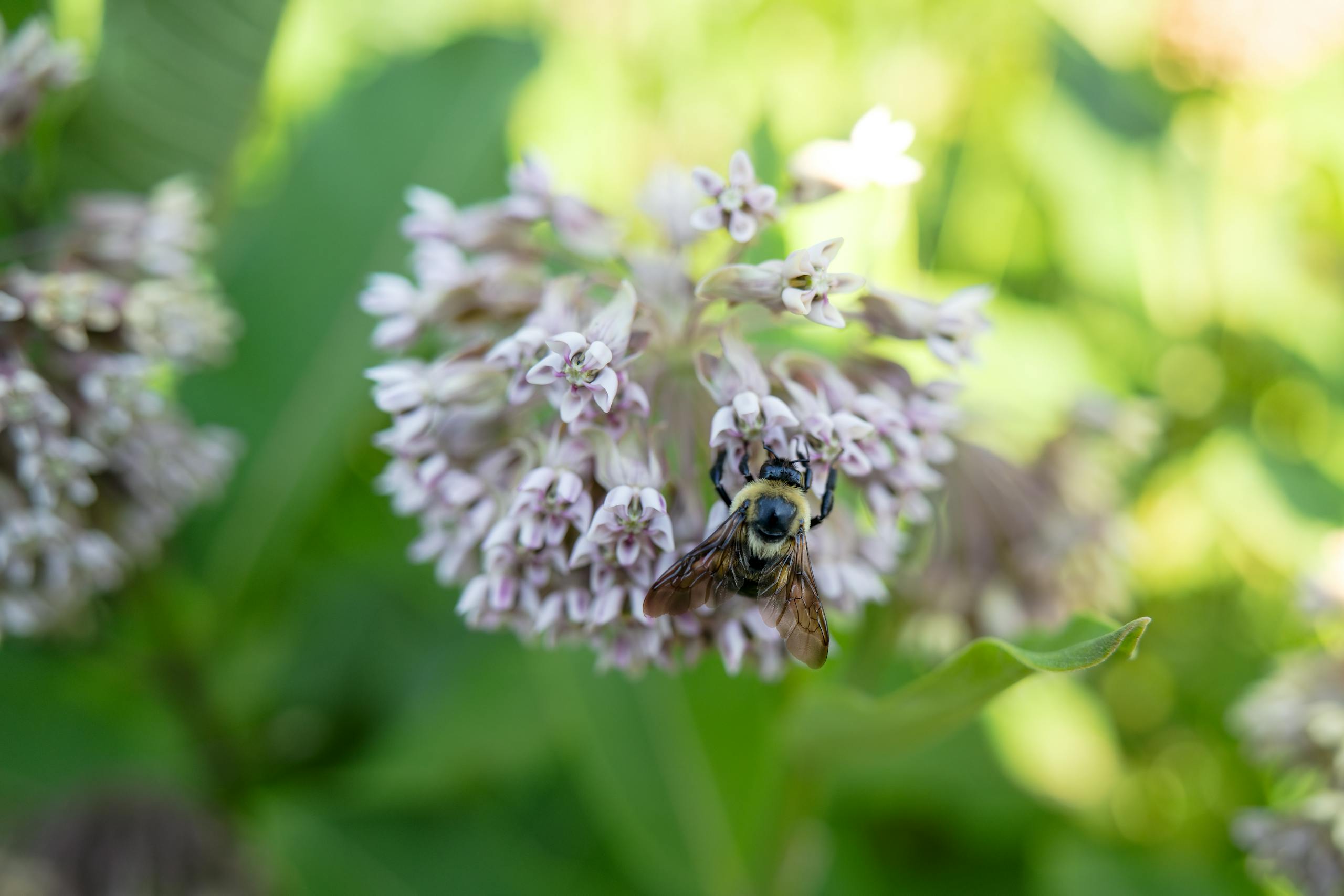
Swamp milkweed is a perennial that thrives in moist environments and supports Monarch butterfly larvae.
It produces clusters of pink flowers that bloom in mid to late summer, offering both beauty and functionality in your rain garden. This plant is an excellent choice for creating a pollinator-friendly space.
- USDA Hardiness Zones: 3–6
- Size: 3–5 feet tall; 2–3 feet wide
- Water Needs: High
- Planting Tip: Plant it in areas with moderate water flow or standing water for the best results.
Swamp Sunflower (Helianthus angustifolius)
The swamp sunflower is perfect for adding height and drama to your rain garden. It produces brilliant yellow blooms in late summer and fall, attracting pollinators and providing seeds for birds. This plant grows well in moist, boggy soils and can handle the water stress often associated with rain gardens.
- USDA Hardiness Zones: 5–9
- Size: 5–8 feet tall; 2–4 feet wide
- Water Needs: Moderate
- Planting Tip: Ideal for planting towards the back of the rain garden where the water level is consistently high.
Scarlet Bee Balm (Monarda didyma)
Scarlet bee balm is a bold, red-flowered perennial that attracts hummingbirds and bees. It thrives in moist, well-drained soils and adds color to the garden from mid to late summer. Its aromatic foliage and vibrant blooms make it a standout plant in any rain garden.
- USDA Hardiness Zones: 4–9
- Size: 2–4 feet tall; 2–3 feet wide
- Water Needs: Moderate
- Planting Tip: Plant near the center of the garden to ensure it receives adequate moisture.
Swamp Rose Mallow (Hibiscus moscheutos)
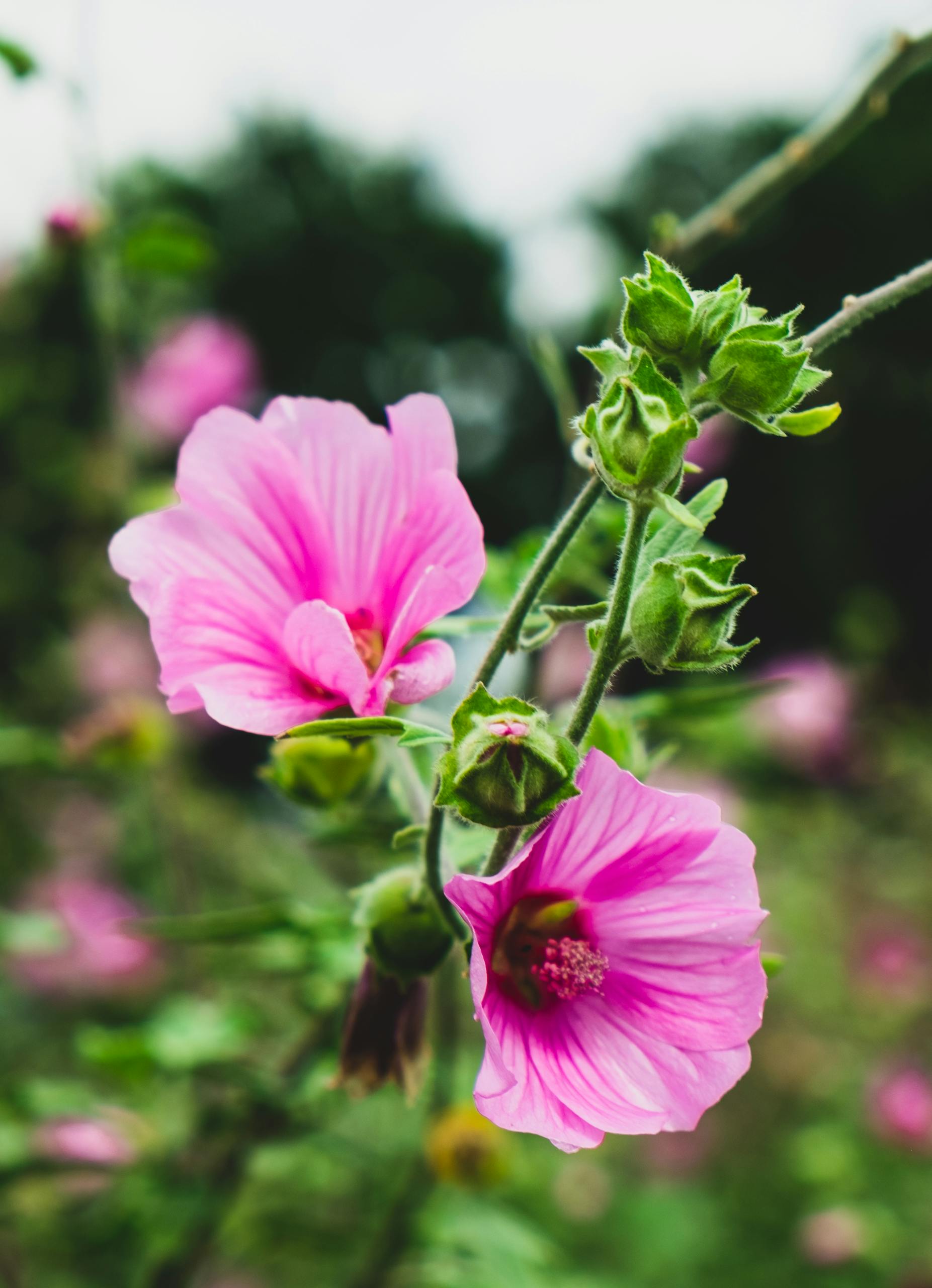
Swamp rose mallow is a striking addition to any rain garden, producing large, showy blooms that range from pink to white with maroon centers.
It thrives in moist, well-drained soils and can grow up to 6 feet tall, making it an excellent choice for creating a vertical focal point.
- USDA Hardiness Zones: 5–9
- Size: 4–6 feet tall; 3–4 feet wide
- Water Needs: High
- Planting Tip: Best placed in the deeper, wetter areas of the garden to thrive.
Conclusion
These 10 plants offer a combination of beauty, biodiversity, and functionality, ensuring your rain garden not only thrives but also reduces water runoff and promotes erosion control.
By carefully selecting plants suited for wet conditions, you can create an eco-friendly garden that benefits both the environment and your local wildlife.
Read the original article in Crafting Your Home.