

The post Women Romanticize Blue-Collar Men the Same Way Men Romanticize Stay-at-Home Moms first appeared on Crafting Your Home.
Neither has a job description. A self-employed tradesman gets no employer match, and a stay-at-home mother gets no pay stub, title, or pension. Both are prized for what they hand over unbilled: time, attention, and someone at the table.
The Federal Reserve’s 2022 Survey of Consumer Finances found that only about 54% of American families held any retirement account, with a median balance near $87,000 among those that did. Social Security is blunter about the homemaker. With no earnings record of her own, she qualifies only for a spousal benefit capped at half of her husband’s.
If the marriage ends before the 10-year mark, the Social Security Administration treats her as a stranger to his record. The man with the flexible schedule and the truck that doubles as an office is one bad back away from a household income of zero.
Flexibility makes them attractive, and it is also the trap. A parent at school pickup and a partner who is home by four are what an overscheduled, lonely country says it wants, yet the economy pays nothing for either. The Census Bureau put 2023 median household income at $80,610, and a life built around being available rarely earns a seat at that number.
Social media turned both fantasies into aesthetics

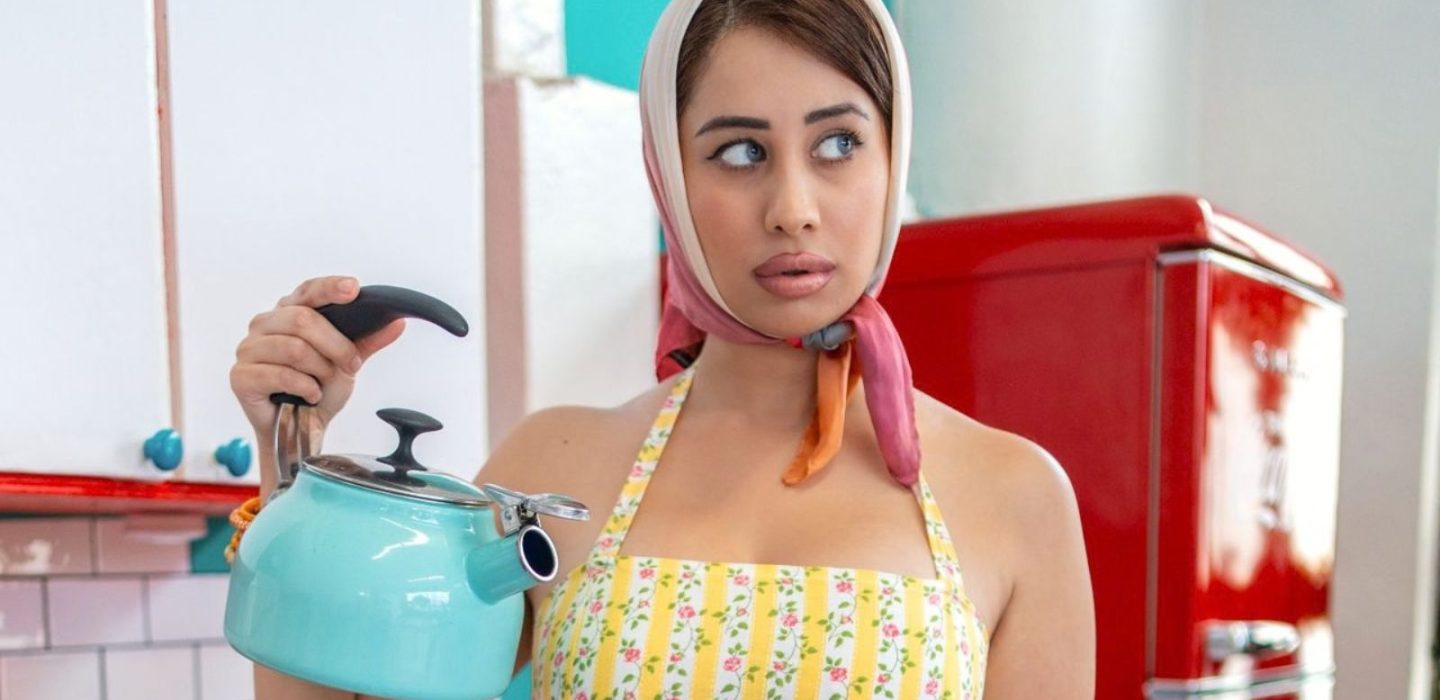
The trad wife genre sells the homemaker as a lifestyle. Hannah Neeleman of Ballerina Farm and TikTok cook Nara Smith, who makes cereal and candy from scratch, draw millions of followers with slow, cinematic domesticity. A July 2024 Times of London profile of Neeleman set off a fierce public argument over what those images conceal.
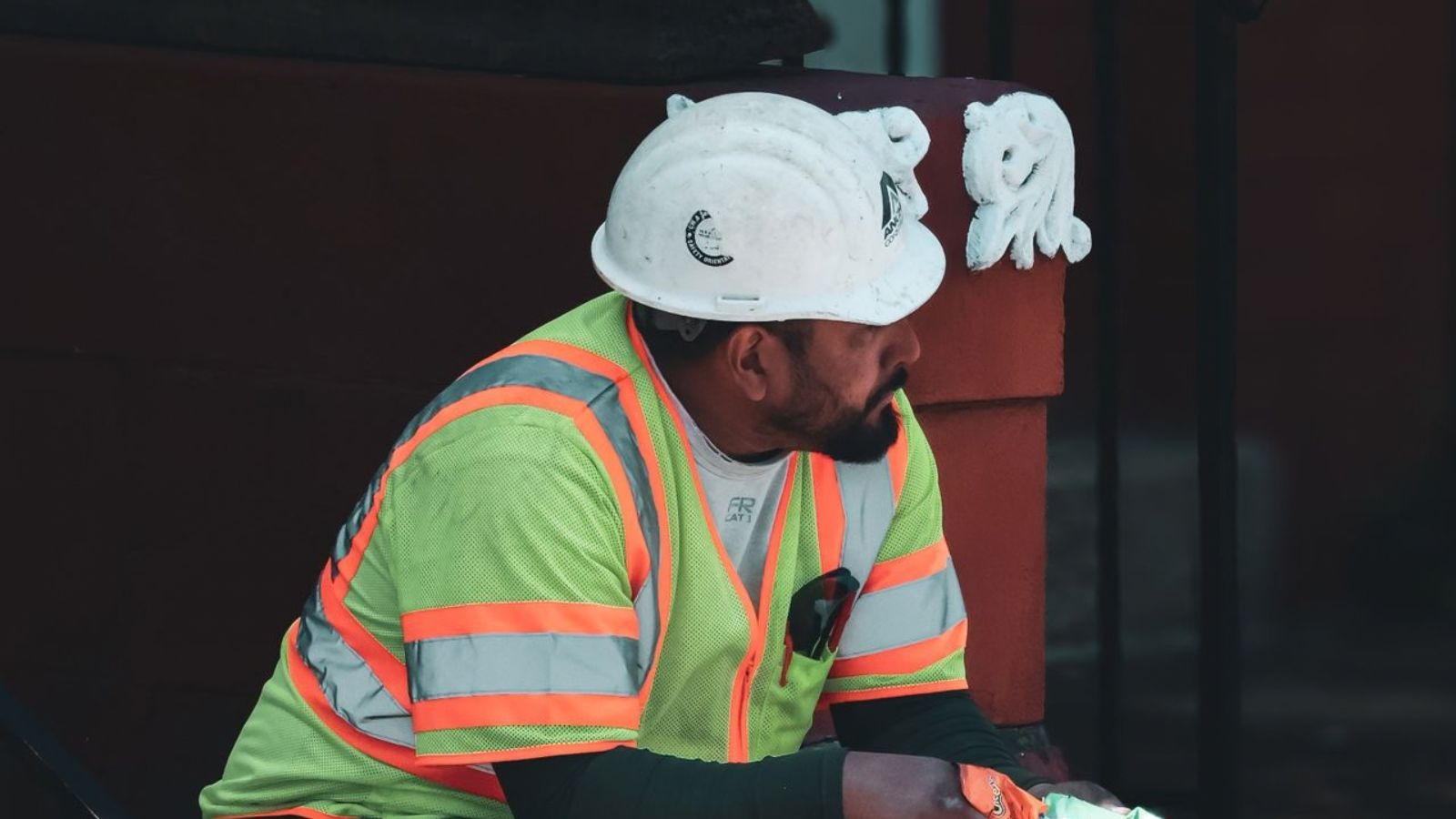
Tradesman content runs on the same engine: tool belts, sawdust, competence at golden hour. Nobody films the invoice dispute or the 5 a.m. alarm. The feed is a stylist’s edit, and both genders are buying a photograph of a life.
The fantasy is really about work you can see finished
A repaired furnace, a framed wall, and a lit porch light are complete the moment the job ends. Mike Rowe built Dirty Jobs on that appeal, and Yellowstone pushed it to its logical extreme, drawing more than 12 million viewers to its fifth-season premiere in November 2022. Nobody tunes in for a scene of a ranch hand doing paperwork.
Male nostalgia for the stay-at-home mother works in reverse. Her labor is mostly invisible, so it gets romanticized as effortless. Cooked meals appear, laundry resolves itself, and the calendar runs on love.
Related: Women in Their 20s Date, Marry, or Get Pregnant When the Grind Gets Too Hard
Both dreams assume an economy that has largely disappeared
The single-earner household is the fantasy’s blueprint, and historian Stephanie Coontz has spent decades arguing in The Way We Never Were that the 1950s version was an anomaly. Roughly one in four married women was in the labor force in 1950, a snapshot that later generations mistook for the natural order. Its counterpart, the union wage that supported a family alone, faded with the factories that paid it.
Women admiring a tradesman and men admiring a homemaker both pine for a household model underwritten by a specific postwar economy. Wanting it back is understandable. Pretending it was a personality trait is not.
Men worship a role they almost never take
Pew Research Center’s 2023 analysis found 18% of American parents stay home, and only about 7% of fathers do. Men have spent generations praising a job that nearly all of them decline to hold themselves. Women who admire tradesmen, by contrast, often actually marry them.
The consequences show up in the data. Stanford sociologist Michael Rosenfeld reported that women initiate roughly two-thirds of heterosexual divorces, and the share climbs among college-educated wives.
Andrew Cherlin’s Labor’s Love Lost traces how working-class marriages frayed as men’s earnings weakened while women’s expectations of an equal partner rose. Women pursue the fantasy, then leave when the terms go unmet. Men keep the fantasy precisely because they never test it.
Related: Beau Clark Says Stay-At-Home Role Cost Him His Sense Of Self As Stassi Schroeder’s Career Expanded
Women are far less sentimental about the paycheck than the memes suggest
Sociologists Kathryn Edin and Maria Kefalas interviewed low-income mothers for Promises I Can Keep and found women who valued marriage highly but treated it as a capstone, something to earn only after financial stability arrived. Romance was never the deciding factor. Reliability was.
The market backs up the appeal. Associated Builders and Contractors estimated the industry needed to attract 501,000 additional workers in 2024, and the Bureau of Labor Statistics puts median electrician pay in the low $60,000s. A tradesman is a stable hire, and women who date them are often running an audit dressed as a crush.
Nobody romanticizes the injury ledger
More than nine in ten fatal workplace injuries in the United States involve men, according to Bureau of Labor Statistics census data, with construction among the deadliest sectors. The flannel-and-work-boots aesthetic edits out the seasonal layoffs, the missed dinners, and the risk that comes home in the truck.
Women make up roughly 11% of the construction workforce, according to the National Association of Women in Construction, and many work in offices rather than on job sites. The romance is largely written by people standing outside the trade, and the men inside it know the difference.
Men pay for the homemaker fantasy in a currency they never have to spend
Every year, Salary.com publishes an estimate of what a stay-at-home mother’s labor would cost on the open market, and the 2019 figure landed near $185,000. The number exists to make unpaid work sound like a career, which is a strange compliment to give someone you would never pay.
Sociologist Arlie Hochschild named the underlying problem in The Second Shift, tracking how employed women came home to a full round of domestic duties.
Meanwhile, Shelley Correll’s research team at Stanford sent matched résumés to employers and found that mothers were offered about $11,000 less in starting pay than equally qualified women without children, a pattern she labeled the motherhood penalty. Men who long for a wife at home rarely price in the résumé gap that comes with leaving and returning.
Other Posts You May Like
- Nara Smith Opens Up About Her 2-Year-Old Daughter Whimsy’s Cancer Diagnosis
- The 5 male archetypes that women find almost impossible to resist
If you like what you just read, then subscribe to our newsletter and follow us on social media.


