



Every marriage has a conversation that starts about the car insurance and ends up about everything since 2019. When a talk with a husband starts running hot, a wife has 4 moves that tend to keep it from becoming a full fight: ask for a pause without blaming, make the pause count, restart with a soft opening, and repair quickly if something sharp gets said.
The steps come from the Gottman Institute, which publishes relationship advice drawn from the research and books of John and Julie Gottman. They work in both directions, so a husband can use every one of them too.
1. Ask for a break without blaming
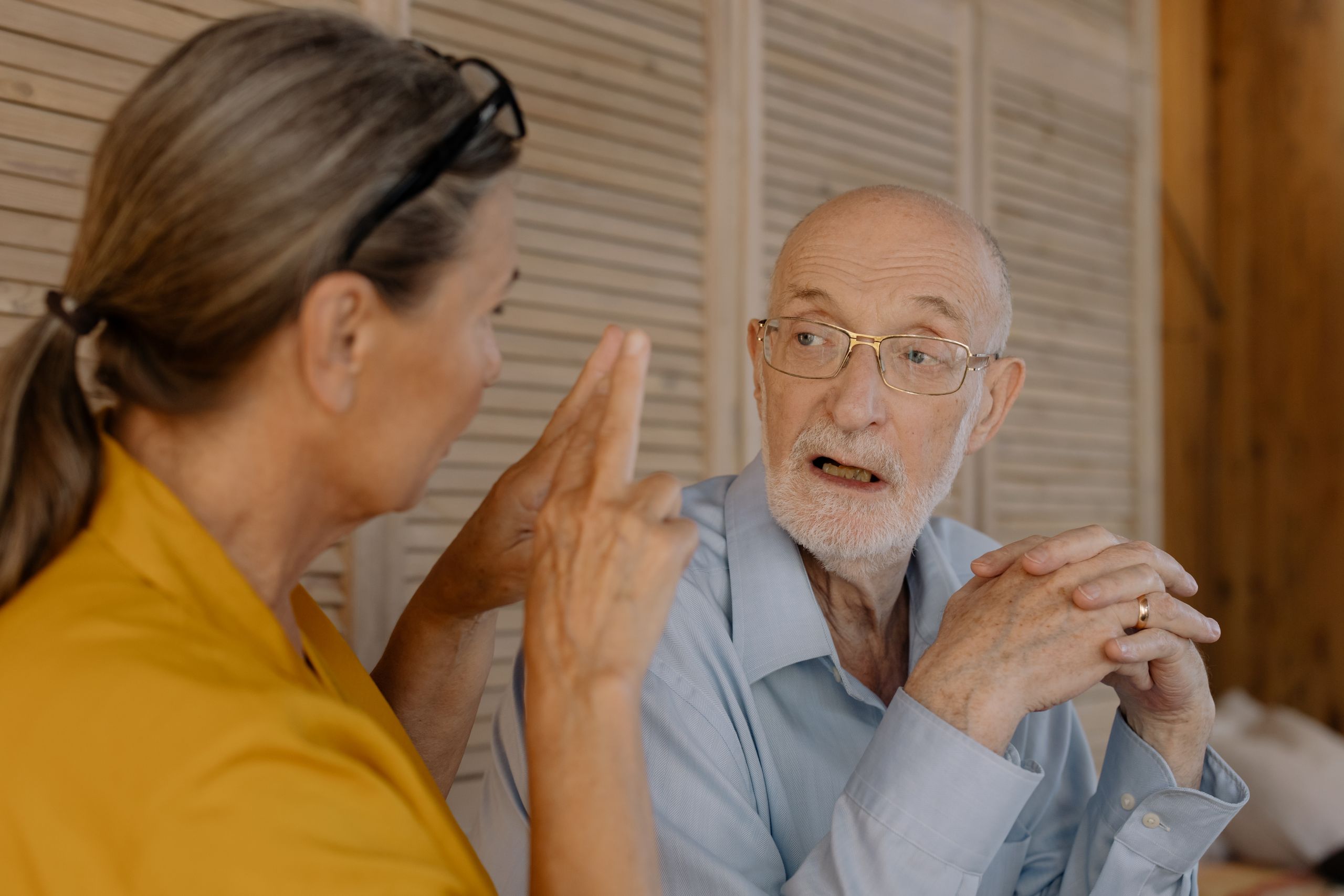
The first move is the hardest, because a wife in the middle of an argument usually wants to finish the point. The Gottman Institute’s article on handling an argument advises that the partner who needs a pause should say so in terms of her own feelings and not announce what is wrong with her husband. Labeling him as impossible ends the conversation, while saying that she wants to keep talking and needs a little time first keeps the door open.
The same article suggests naming a time to come back, so the pause does not feel like a door slammed shut. Couples who have stopped arguing about the same few things for decades often did it by learning this exact skill. The husband’s job is simple, according to the article: when a partner asks for a pause, take it, even without feeling the need personally. Perspective on how old habits form shows up in common regrets people often have in adulthood, and a surprising number involve words said in a rush.
2. Make the break count, then be the one to return
What happens during the pause matters as much as the pause itself. The Gottman article recommends spending the time on something absorbing, such as reading or taking a walk, and not replaying the argument or rehearsing the next round of points. Rehearsing a closing statement keeps the whole thing alive.
The article also gives some practical numbers. A break should last at least 20 minutes and can run longer, and the couple should aim to resume within 24 hours. Whoever asked for the break is responsible for restarting the talk, so the other spouse never has to chase. That small rule protects a husband from feeling stonewalled, and it keeps a wife from having to wonder if the topic will ever come up again. A few ways couples keep holiday disagreements small lean on the same idea of agreeing on a time to circle back. Spouses who read about what long-married couples quietly stop doing usually find that having the last word is the first habit to go, and a wife who knows what women who know their worth do that others mistake for rudeness can see that asking for a pause is not rude.
3. Restart with a soft opening
When the talk resumes, the Gottman article says the partner who raised the issue speaks first, using what it calls a softened start-up. That means describing how she feels about one specific situation and what she needs, without attacking her husband’s character. A softer opening also fits the quiet habits of gentle parenting, where tone does a lot of the work, and it matches what happily married couples never do in front of others. It is one of the hardest truths to accept in life that being right and being heard are different things. Saying that the bills were opened without her and that she would like to open them together lands very differently from accusing him of never including her in anything.
The listener has a job as well. According to the Gottman Institute, the husband asks questions, summarizes what he heard and checks that he understood before offering his own view. The Gottmans’ own wording, quoted in the article, is that persuasion comes afterward. Then the roles switch, and he gets the same turn. The Gottman post on how to stop arguing adds that many couples jump to persuading before they understand the other person’s worry, and that asking why an issue matters to a spouse is often more useful than debating the issue itself.
4. Repair fast when something sharp slips out
Even with a plan, someone will snap. The article says the fix is a repair attempt: apologize, or ask to start over. Apologizing for the tone does not mean giving up the underlying concern, and the Gottman material is explicit that a repair is not a concession. A wife who admits her tone came out harsher than intended and asks to try again has lost nothing and kept the conversation alive.
Repair also helps when the two spouses have different fight styles. The Gottman post describes 3 conflict styles, avoiding, validating and volatile, and notes that mismatched styles are easy to misread. A husband who likes a lively debate may take a wife’s silence as rejection, and a wife who avoids conflict may feel his questions as pressure. Knowing the pattern makes a repair easier to offer. Another view comes from Psychology Today’s relationship overview, which says partners who give each other the benefit of the doubt feel like they are on the same team during hard moments.
A fair exception
None of these steps asks a wife to keep quiet about something that matters. Pausing is not dropping the subject, and a soft opening is not a weaker one. The point named in the Gottman material is to understand first and persuade second, so the same conversation can happen later with less heat.
It also helps to remember that perfection is not the standard. A wife who tries one of the 4 steps next time, and a husband who meets her halfway, is already ahead of most arguments.
Get stories like this by email. Sign up for Crafting Your Home.
This article was produced with AI assistance and edited for accuracy against the sources linked above.