This post Why West Chester’s Open-Air Market Is Becoming a Favorite Community Tradition first appeared on Crafting Your Home.
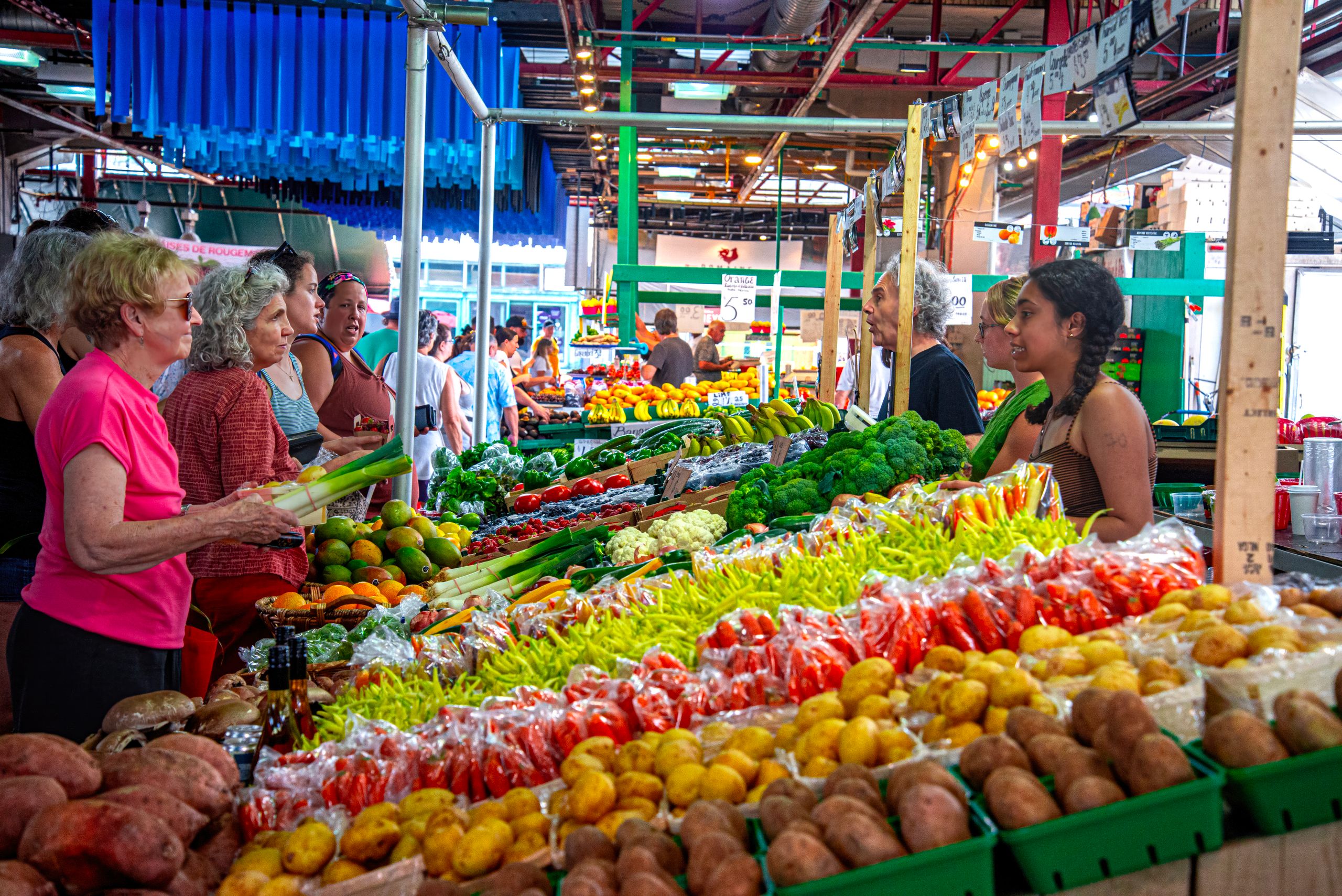
Every Saturday morning, the corner of Church and Chestnut Streets in downtown West Chester, Pennsylvania comes alive with the sound of an opening bell, folding tables loaded with produce, and the kind of steady, familiar crowd that only builds up after decades of showing up in the same spot, week after week.
The West Chester Growers Market has been running long enough to be approaching its 30th year, and according to the market itself, it remains the first producer-only market established in Southeastern Pennsylvania.
A Market Built on One Simple Rule
What sets the West Chester Growers Market apart from a typical farmers market is a rule baked into its founding identity. According to the market’s website, it operates as a producer-only market, meaning every vendor must have grown, raised, or made what they sell themselves, rather than reselling goods purchased elsewhere.
That distinction matters more than it might seem. It means a customer buying eggs, cheese, or produce at the market is buying directly from the person who actually raised the animals or worked the land, a relationship the market itself describes with its own tagline, inviting visitors to shake the hand that feeds them.
Nearly Three Decades of the Same Founding Families

The market’s roots go back to July 1995, when it opened at the corner of Church and Chestnut Streets with just 10 participating farmers, according to the market’s official history. What makes that origin story unusual is how much of it has survived intact. Three of the four original founding vendor families are still active participants in the market today: EverGreen Farm, formerly known as Windy Acres Farm, Fahnestock’s Fruit Farm, and North Star Orchard.
The fourth original family, Paul and Carol Hauser of Maple Hill Farm, sold at the market for more than two decades before retiring in 2019. That kind of continuity- farms that have participated since the market’s very first Saturday nearly 30 years ago- is part of what has allowed the market to build the kind of trust and familiarity that a newer market cannot replicate.
Related: High-Paying ‘Boring’ Jobs in Demand (Earning $95,000 or More)
A Market Run by the Vendors Themselves
Part of what has kept the West Chester Growers Market stable for so long is its structure. According to the market, it operates as a cooperative, meaning every vendor has a direct say in the market’s overall direction, including decisions about which new vendors join the roster.
That cooperative model has allowed the market to grow steadily without losing its original character. As it approaches its 30th anniversary, the market now averages around 28 producers each week, according to its own reporting, nearly triple its original founding size, while still operating under the same vendor-governed structure it started with in 1995.
Related:5 High-Paying Jobs People Are Avoiding
A Fixture of the Local Food Scene, Not Just a Saturday Stop
The market’s offerings extend well beyond produce. According to its official listing on Downtown West Chester’s business directory, shoppers can find baked goods, cheese, free-range eggs, pasture-raised chicken, lamb and pork, flowers, bedding plants, dog treats, and handcrafted soaps, all produced locally by the vendors selling them.
The market also runs on an extended seasonal schedule, rather than shutting down entirely once summer ends. According to its posted hours, the market operates every Saturday from 9 a.m. to 1 p.m. between May and December, then shifts to a reduced winter schedule of the first, third, and fifth Saturdays each month from January through April, running 10 a.m. to noon. That structure means West Chester residents can access the market in some form nearly year-round, rather than only during peak growing season.
Part of a Larger Regional Food Culture
The West Chester Growers Market is not operating in isolation. According to a regional farmers market guide compiled by Century 21 Advantage Gold, it sits within a broader network of markets across Chester County, including markets in Malvern, Phoenixville, and Downingtown, several of which are connected through a Chester County Farmers Market Trail that encourages visitors to explore multiple markets throughout the region.
Within that wider network, West Chester’s market stands out for its age and its unbroken vendor lineage, features that have helped it build a loyal, recurring following. Its social media presence reflects that loyalty directly, with more than 18,000 people following the market and over a thousand recorded visits logged through community check-ins.
Related: The U.S. Presidential Candidate Who Took Erectile Dysfunction Out of the Shadows
Why a Weekly Market Still Matters After 30 Years
In a food landscape increasingly dominated by large grocery chains and online delivery, a market that requires vendors to grow or make everything they sell represents a deliberate, and increasingly rare, alternative. According to the market’s own mission, its purpose has never been commerce. It exists to give producers a direct opportunity to educate the public about the value of eating locally grown and produced food, while giving the borough of West Chester a reliable weekly gathering point that has outlasted nearly three decades of change in how Americans typically shop for food.
For a market with roots this deep, and founding families still selling at the same corner nearly 30 years later, that consistency may be exactly what has turned a weekly grocery stop into something closer to an actual community tradition.
Other post you might like:
- America’s Good Jobs Are No Longer Enough: Why Millions Feel Financially Trapped.
- 10 Higher-Paying Jobs Workers Are Quitting Despite Strong Demand.
- The 8 Most Dangerous Jobs That Pay Well .