Why Throwing a Banana Peel Outside Could Be a Huge Mistake
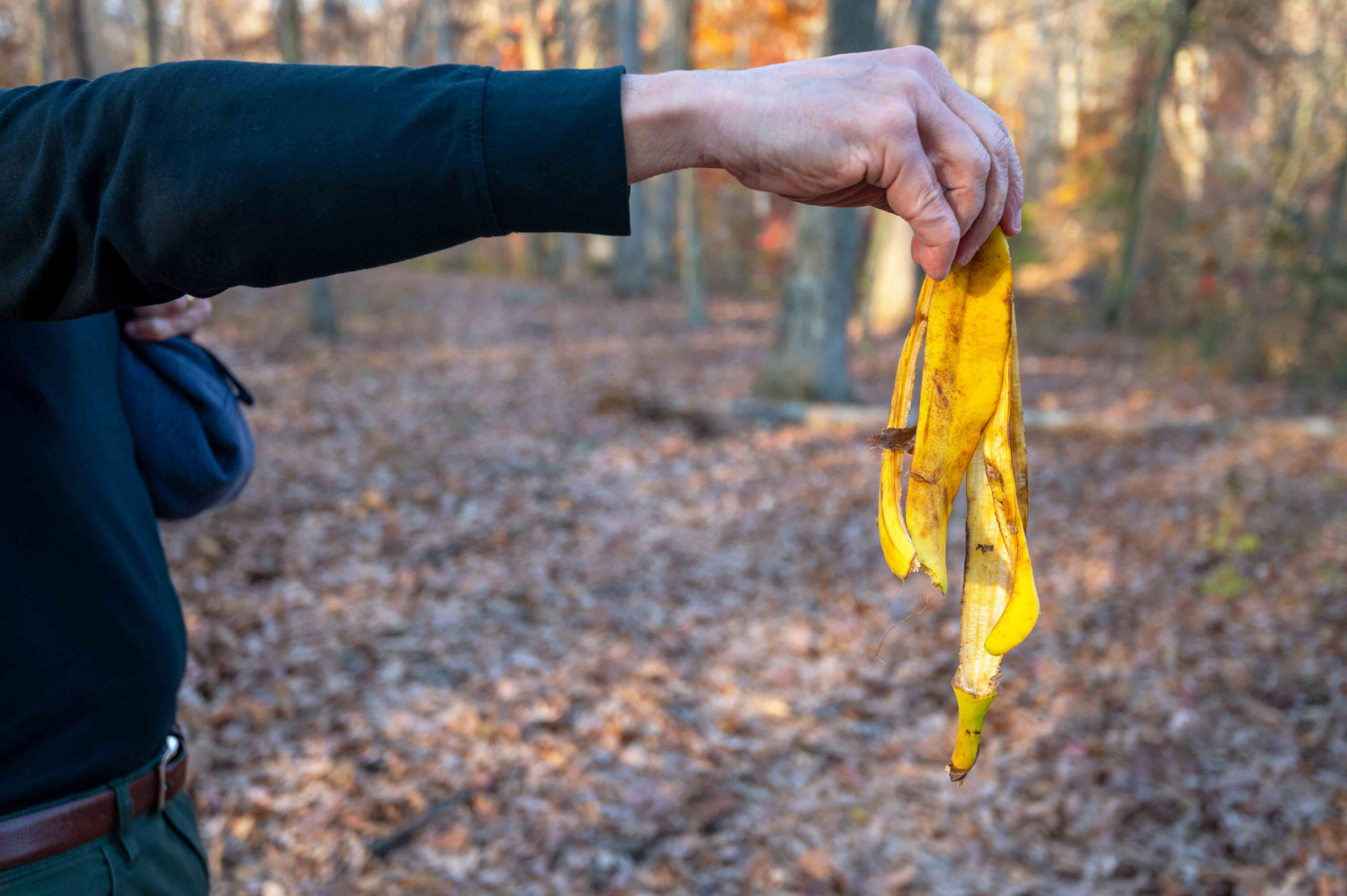
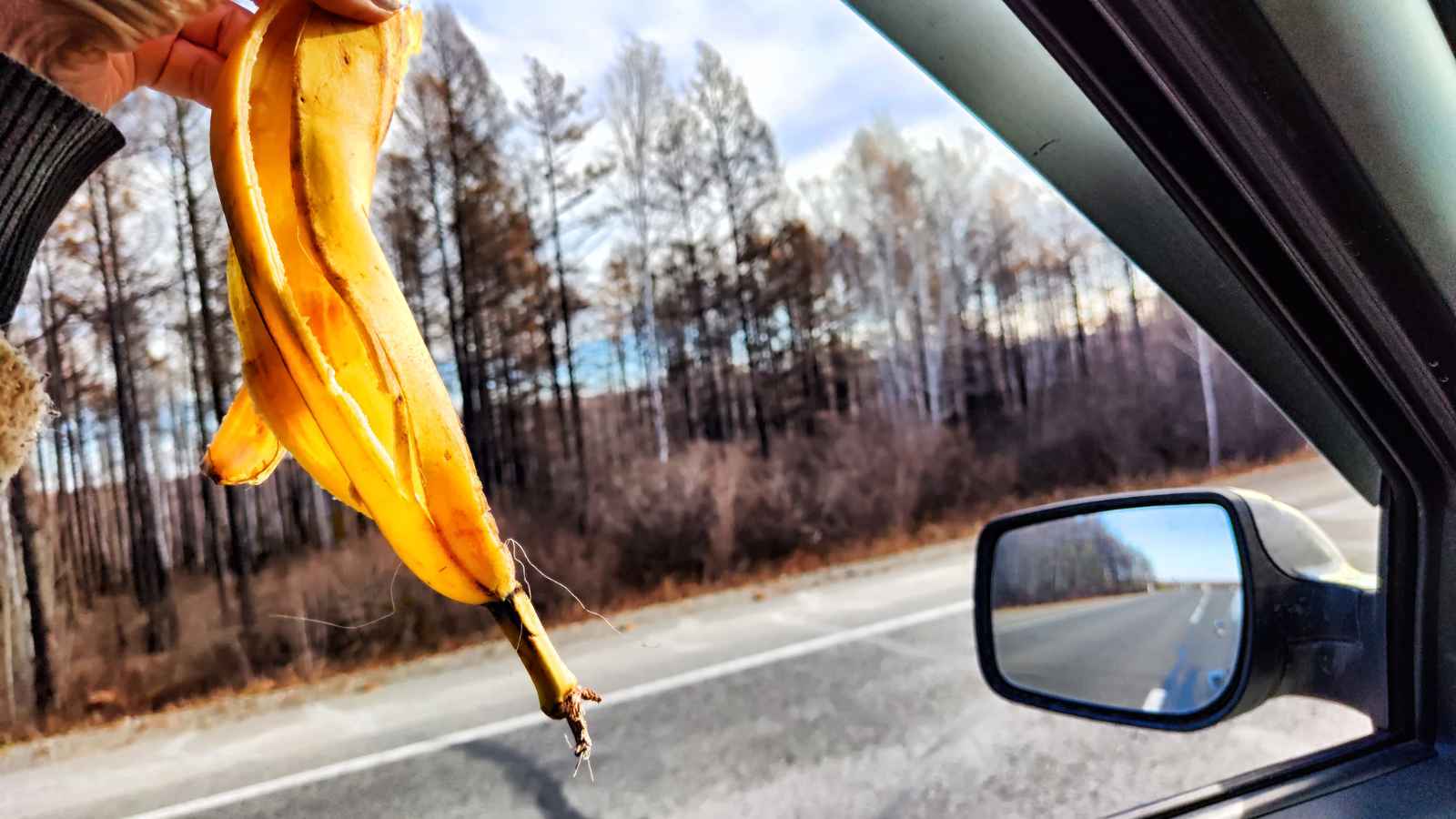
We’ve all been there. You peel that banana, take a big bite, and then… Well, what do you do with the peel? You might think, “Hey, it’s biodegradable, right? Just toss it outside, nature will take care of it.” Well, not so fast. Before you casually discard that peel on the ground, let’s take a closer look at why this might not be as harmless as it seems. Spoiler alert: You should rethink your throwing habits.
The Environment Isn’t a Trash Can
Okay, let’s start with the most obvious reason. Throwing a banana peel outside doesn’t just vanish into thin air. It’s true that banana peels are organic and can break down, but that doesn’t mean they’re immediately suitable for the environment. It takes time for a peel to decompose properly, and that time varies depending on the conditions. In an urban setting with concrete and limited sunlight, your banana peel might sit around for weeks before breaking down. That’s a long time to leave a pile of organic waste sitting around.
And here’s the kicker: As your banana peel decomposes, it can actually attract pests like rats or flies. Rodents are known to carry and transmit over 35 diseases worldwide, according to the CDC. So, while you think you’re being all eco-friendly, you might be contributing to a neighborhood infestation. Yikes, right?
Slipping Hazards: Not Just for Cartoons
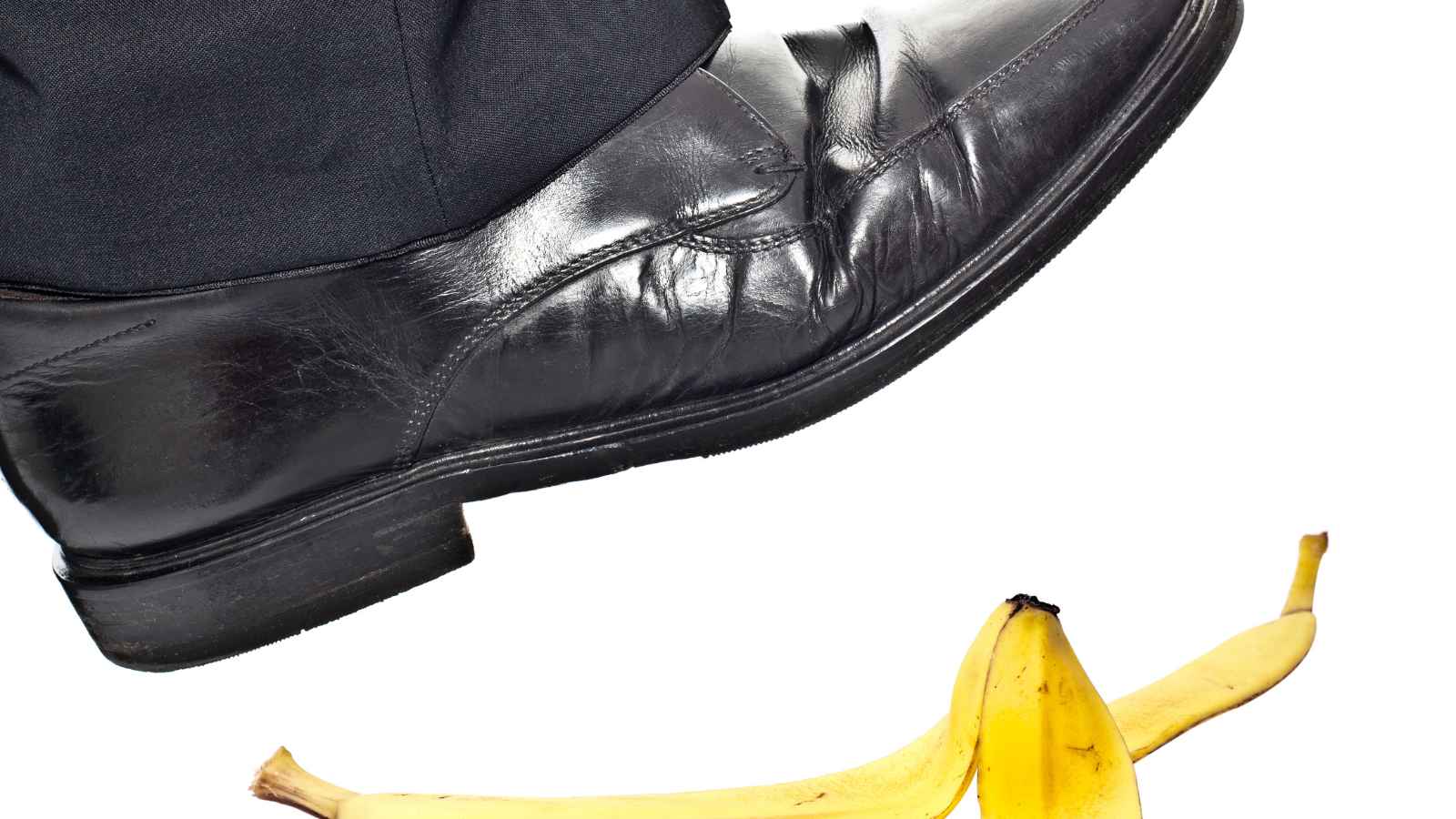
Ever laughed at a cartoon where someone slips on a banana peel? Turns out, the gag has real science behind it. A 2014 Ig Nobel Prize–winning study found that a banana peel on a wooden floor has a friction coefficient of just 0.07—making it about five times slipperier than the floor itself and even slicker than ice.
In other words, that peel is basically a physics-approved slip-and-slide. So when one gets tossed on a sidewalk, it’s not just a joke waiting to happen—it’s a serious hazard. Next time you’re tempted to drop a peel, remember: someone’s “oops“ moment could end with more than a bruised ego.
The Wildlife May Not Appreciate It
Alright, let’s address the wildlife-friendly argument. You might think you’re being nice by offering a snack to nearby animals. And while wildlife love bananas, the peel isn’t exactly what they need. It might be fun to watch squirrels nibble on a banana peel, but it’s not good for them in the long run. In fact, banana peels are hard to digest and can even cause digestive issues for some animals.
In many urban areas, throwing food scraps outside also encourages animals to scavenge, which can make them dependent on human-provided food. This disrupts their natural foraging habits and the local ecosystem. So, as much as you want to share your banana with the critters, you’re better off keeping that peel out of their reach.
It’s Not as Green as You Think
Here’s the part where I burst your “eco-friendly“ bubble: Throwing banana peels outside might not be as environmentally friendly as you believe. Sure, they decompose, but that doesn’t mean they’re immediately beneficial.
In fact, when organic matter like banana peels decomposes in places where they don’t belong, they can release methane—a potent greenhouse gas. And as if that wasn’t enough, banana peels can also contribute to soil contamination if they’re left in the wrong environment.
In some cases, tossing food waste outside can harm nearby plants. So, even if you’re throwing that peel “in the name of nature,” it’s best to think twice. Composting is a much better option if you really want to help the planet.
So, What’s the Solution?
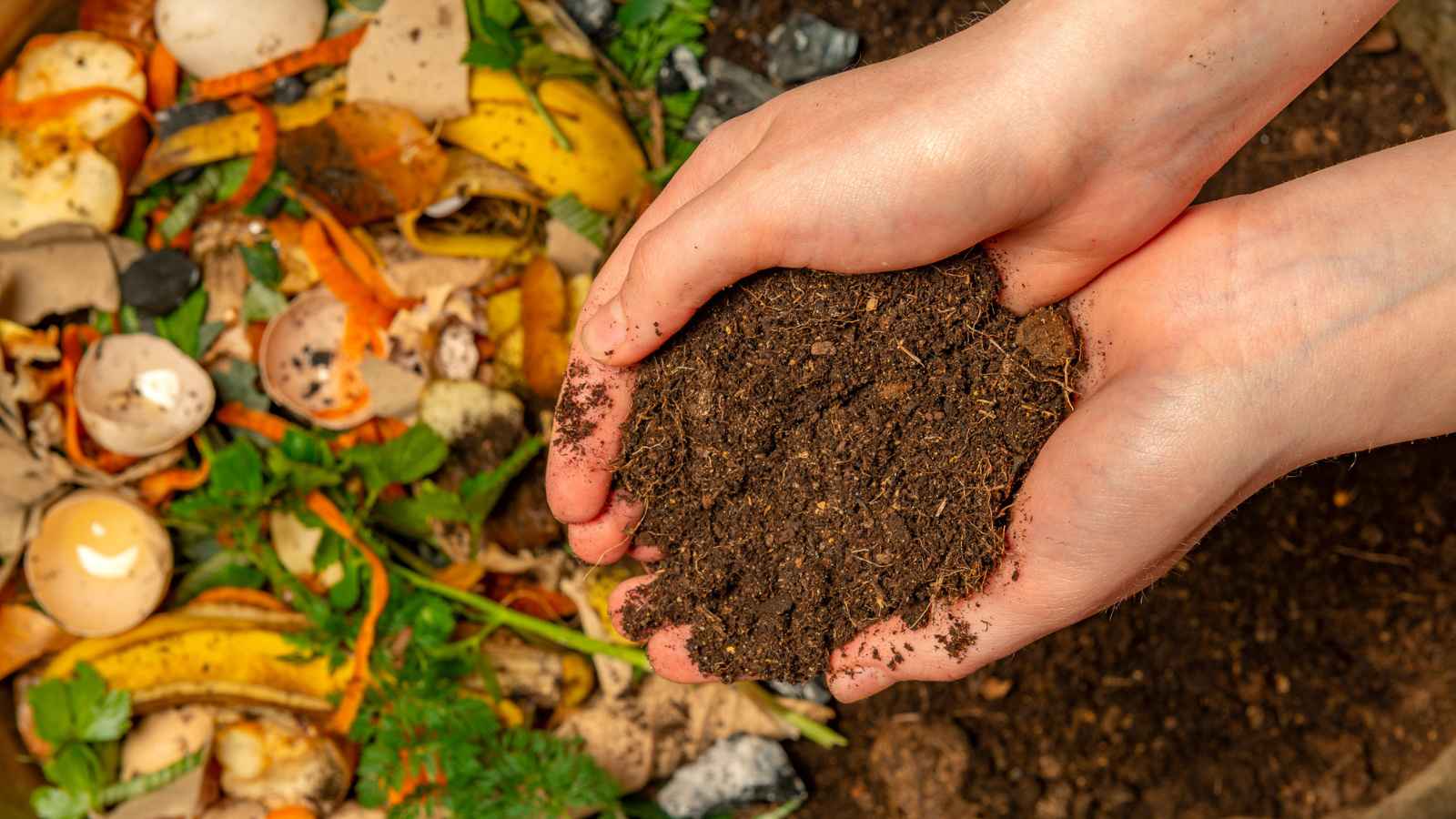
Now that we’ve covered the reasons why throwing that banana peel outside isn’t as harmless as it seems, here’s the million-dollar question: What should you do with it instead?
Here’s an idea: Compost. Yep, that’s right—composting is a great way to dispose of organic waste, and it’s way better for the environment than just tossing things outside. You can even compost banana peels right in your own backyard if you have the space. Don’t have a garden? Try finding a local composting service or community garden. It’s a win-win.
Alternatively, if composting isn’t your thing, throw it in the trash (I know, sounds boring, right?). But hey, if that’s the easier, more practical option for you, go for it. Just make sure you don’t leave that peel on the ground. It’s a lot easier to avoid problems if you keep your trash in the right place.