


The post Why the Sky Looks Bluer in Fall Than in Summer, According to Scientists first appeared on Crafting Your Home
On a crisp autumn day, the sky often seems deeper, clearer, and more intensely blue than it does during humid summer days. That is not just your imagination.
Scientists say the difference comes down to cleaner, drier air, fewer atmospheric particles, and how sunlight scatters as it travels to your eyes. In short, fall skies often have less haze, so blue light reaches you more vividly.
The effect can be especially noticeable after a cold front, when cooler air sweeps away moisture and haze. Suddenly, the same sky that looked pale and washed out in August can appear almost electric blue in October.
Related: NOAA Just Released Its Winter Outlook — and a ‘Very Strong El Niño’ Could Change Your Winter
Why the Sky Is Blue
Sunlight looks white, but it contains every color in the visible spectrum. As it enters Earth’s atmosphere, it collides with tiny gas molecules such as nitrogen and oxygen.
Those molecules scatter shorter wavelengths of light, especially blue and violet, far more strongly than longer wavelengths such as red and orange. This process is called Rayleigh scattering.
Our eyes are also more sensitive to blue than violet, and some violet light is absorbed higher in the atmosphere. That is why the sky usually appears blue rather than violet.
Because blue light scatters in every direction, it reaches your eyes from all parts of the sky. That is why the entire daytime sky appears blue, not just the area near the sun.
Why Fall Skies Look Deeper
Summer air tends to hold more moisture, pollen, dust, and pollution. Those particles and water droplets scatter all wavelengths of light more evenly, creating haze and making the sky look paler or milky.
In fall, cooler temperatures usually mean lower humidity. With less water vapor in the air, less haze softens the sky’s color.
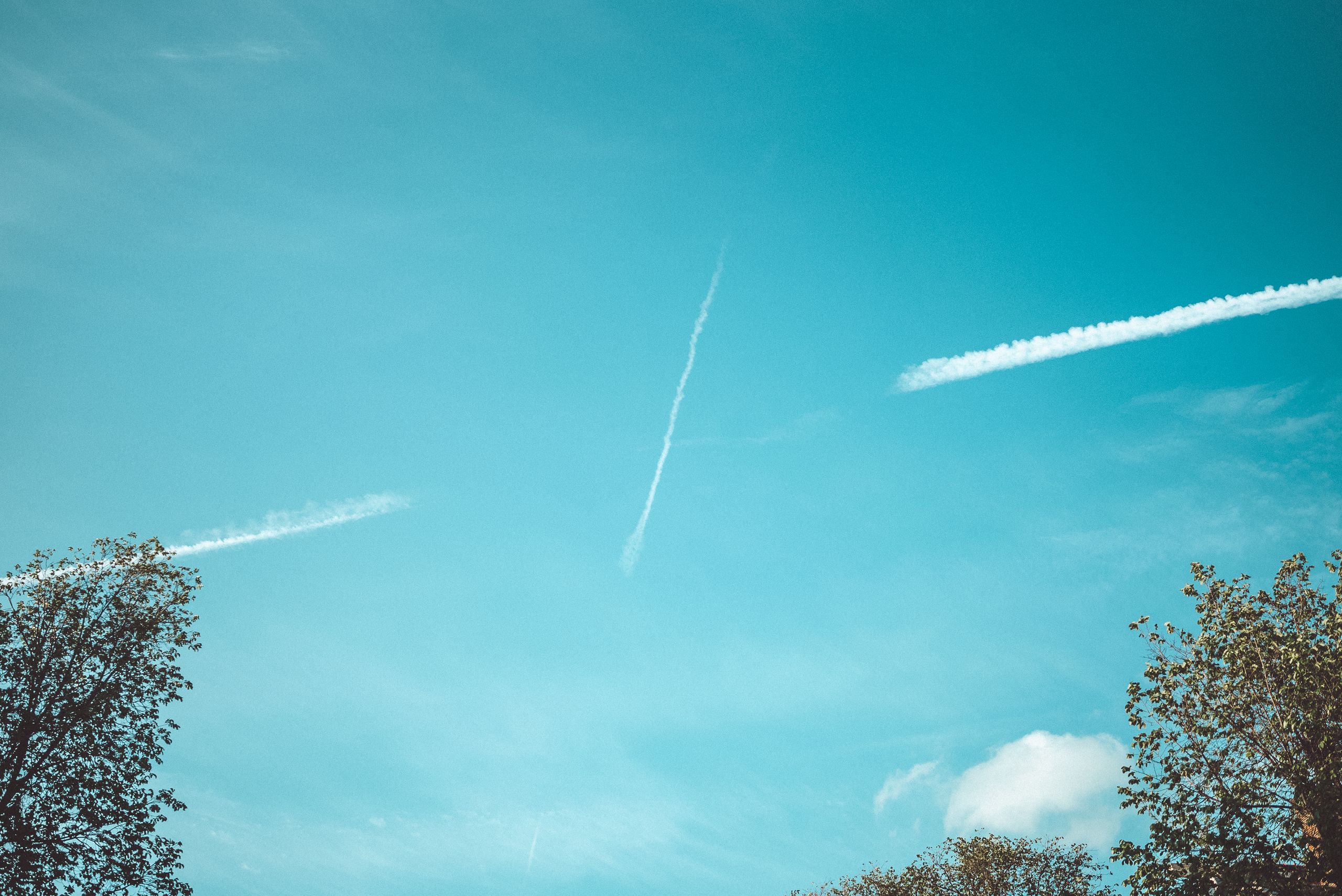
Cleaner, drier air allows Rayleigh scattering to dominate. That makes the blue portion of sunlight stand out more clearly, giving the sky its deeper autumn-blue appearance.
Related:Woolly Bear Caterpillars Are Said to Predict Winter — Here’s What Their Stripes Actually Mean
The Role of Aerosols
When aerosols are abundant, they scatter sunlight differently than gas molecules do. This is called Mie scattering, and it tends to wash out the sky’s color, making it appear whiter or hazier.
Summer often brings more haze because heat and humidity can trap particles near the ground. Fall’s cooler, more stable air can reduce that effect, allowing blue light to reach your eyes with less interference.
That is why a fall sky after a cold front can look especially brilliant. The air may be cleaner, drier, and clearer than the day before.
The Sun’s Angle Matters
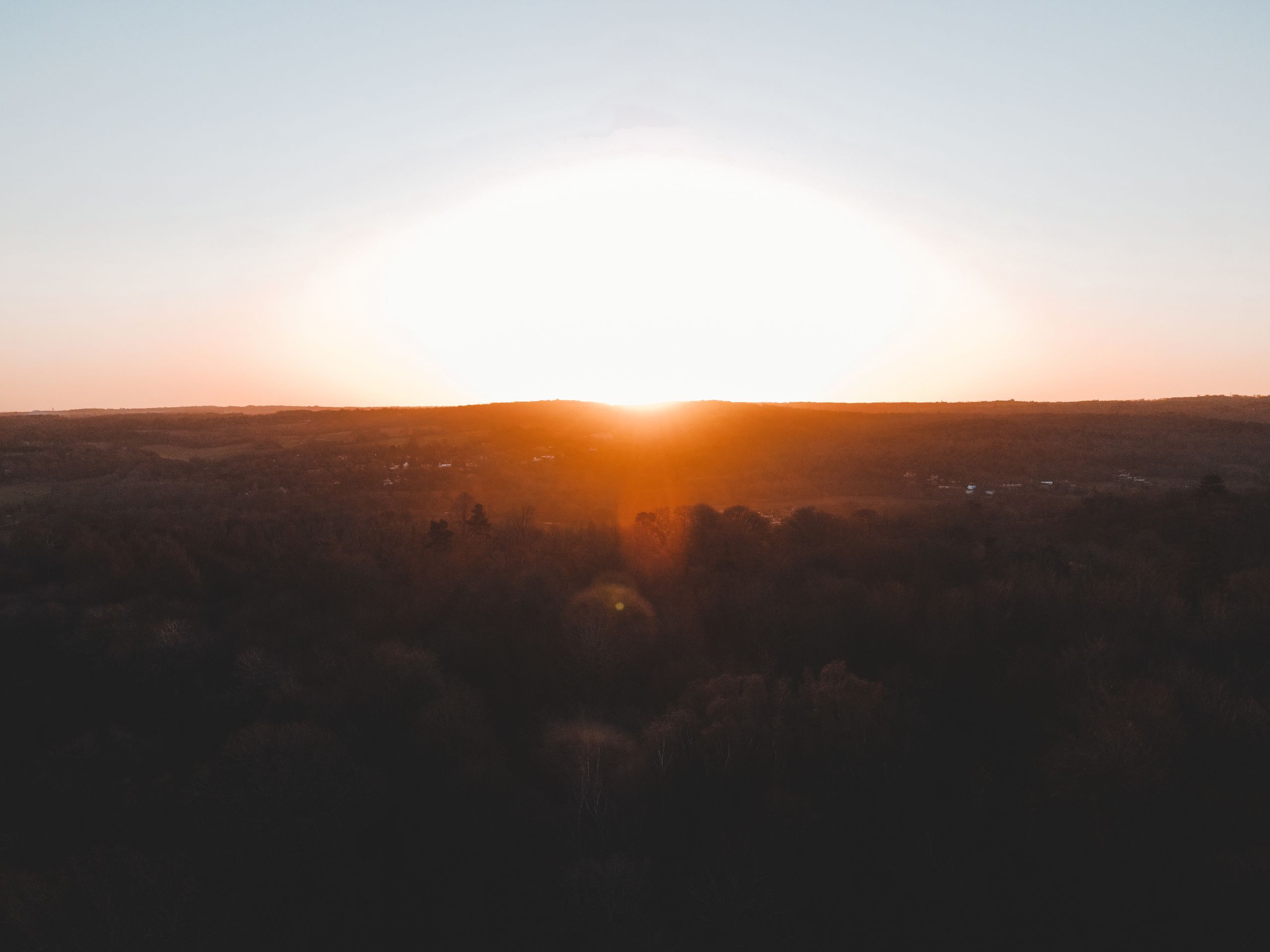
As the sun drops closer to the horizon, its light travels through more air before reaching you. More blue light is scattered along the way, while longer wavelengths become more visible near the horizon.
This is one reason autumn skies can look especially rich in the afternoon and why sunsets often appear more colorful in fall and winter.
Related:Can Animals Sense a Storm Coming? Here’s What Scientists Have Found
Why Summer Skies Can Look Paler
High humidity can create water droplets and haze that scatter light across many wavelengths. That scattering softens the blue sky’s contrast and can give it a white or grayish tint.
Wildfire smoke, pollution, and pollen can add even more particles to the air. The more aerosols present, the less pure and deep the blue appears.
Location Still Matters