

The post Why More Gardeners Are Treating Fall, Not Spring, as the Real Start of the Planting Season first appeared on Crafting Your Home.
For generations, spring got all the credits. It was the season associated with fresh starts, garden center rushes, and the annual ritual of filling flower beds with whatever looked good on the nursery shelf. Fall, by comparison, felt like an afterthought, a time to rake leaves and wind things down before winter. That assumption is steadily losing ground. A growing number of gardeners are treating autumn not as the end of the growing season, but as a moment to seriously rethink what belongs in their garden.
Why Fall Gives Plants a Head Start Spring Cannot Match
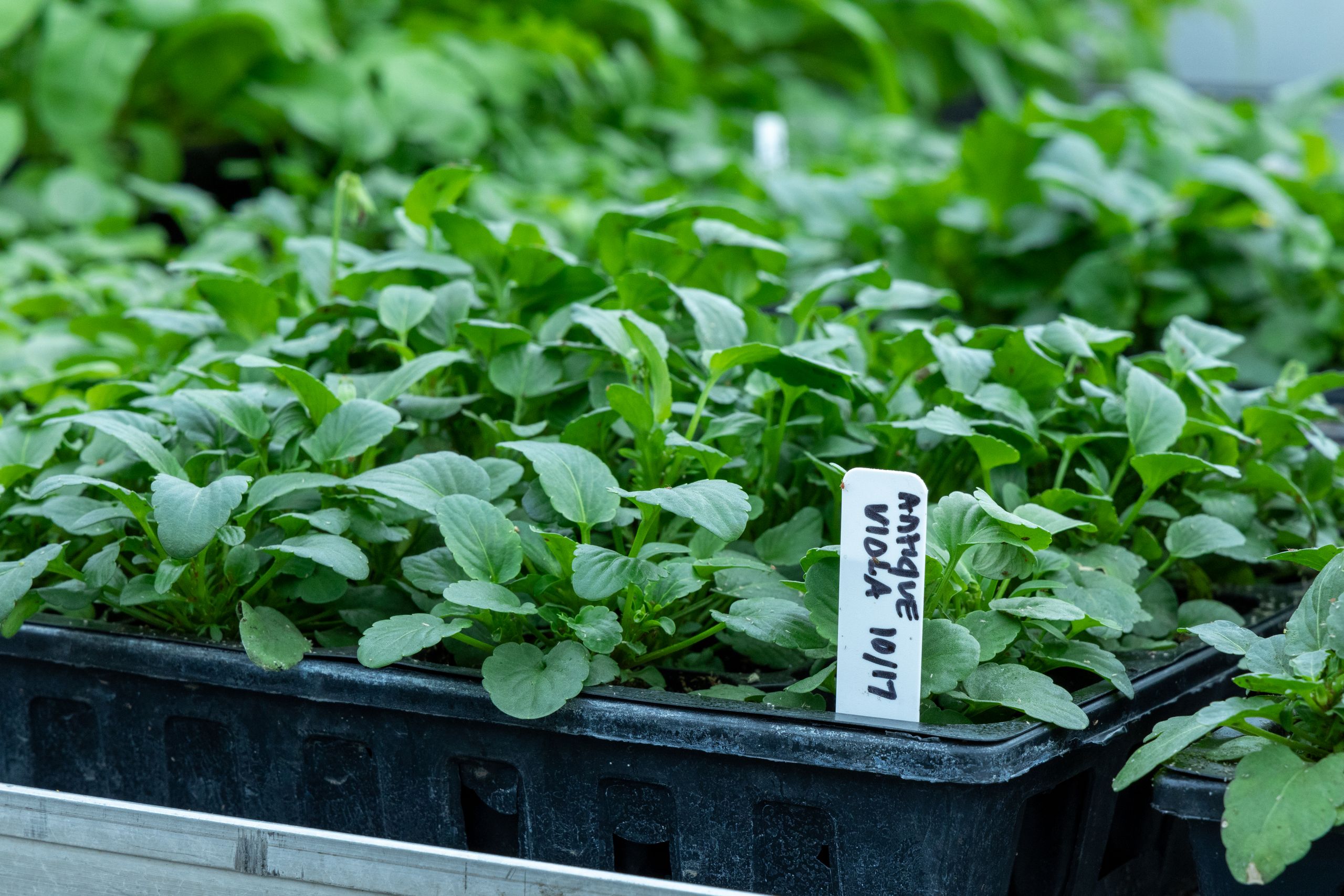
Part of the shift comes down to plant science documented for decades but only now reaching a wider audience of home gardeners. According to horticulturist Susan Martin, writing for Proven Winners, the “Fall Is for Planting” campaign was not originally a marketing gimmick, even though skeptics have long assumed otherwise. The American Nursery and Landscape Association, now known as American Hort, launched the slogan nearly fifty years ago to educate the public about a season most people were overlooking.
The late Dr. Steven Still, Executive Director Emeritus of the Perennial Plant Association and longtime professor of landscape horticulture at Ohio State University, explained the campaign’s reasoning. According to Still, fall offers cooler air paired with soil still warm from summer, a combination that lets most perennials, shrubs, and trees settle in and establish roots before winter arrives. He noted that except for warm-season grasses, fall is consistently an excellent time to plant, adding that while everyone plants in spring out of habit, fall often works even better.
That root-focused advantage drives nearly all fall planting recommendation gardeners hear today. Because a plant’s above-ground growth slows as temperatures drop, its energy shifts almost entirely toward building a stronger root system below the surface. That root development can continue for weeks after planting, right up until the soil itself grows too cold, giving fall-planted trees, shrubs, and perennials a meaningful head starts once spring growth kicks back in. It also tends to reduce the transplant shock that spring-planted specimens often experience when summer heat arrives before their roots are fully established.
Related: 7 Ways to Finally Get Your Front Garden Under Control
Fall Has Become the Season Gardeners Reconsider What They Are Growing
While the root science behind fall planting has been settled for decades, what has changed more recently is the reason gardeners are showing up for it. Rather than simply refilling the same beds with the same plants out of habit, more gardeners are using the fall planting window to reconsider what belongs in their landscape in the first place.
Andrew Bunting, Vice President of Horticulture at the Pennsylvania Horticultural Society, has pointed directly to this shift in the organization’s most recent trends report. According to Bunting, gardening continues to evolve as people look for new ways to connect with nature, express creativity, and grow both food and beauty in their own spaces. Native plants, he explained, remain extremely popular, and the broader movement toward improving the ecology of home gardens has become one of the strongest trends he is currently seeing.
One of the biggest expressions of that shift is what PHS calls “re-wilding,” a practice where gardeners intentionally let native species establish themselves while actively removing invasive plants, rather than defaulting to a fully manicured lawn. Bunting explained that this approach can meaningfully reduce the ecological toll of traditional lawns while creating real habitat for birds, pollinators, and other wildlife. Planting native species like butterfly milkweed, he noted, directly supports struggling pollinator populations such as the Monarch butterfly, and even leaving fallen leaves, twigs, and stems arranged in a garden bed can create important overwintering habitat for beneficial insects.
Fall is an especially natural entry point for this kind of rethinking. Native perennials, shrubs, and trees benefit from the same root-establishing conditions that make fall ideal for planting anything else, which means gardeners who want to shift toward a more ecologically minded yard are often better served doing that work in autumn rather than waiting for spring.
Related Post: 8 smart gardening hacks that can help you spend less money
Why This Shift Is Gaining Momentum Right Now
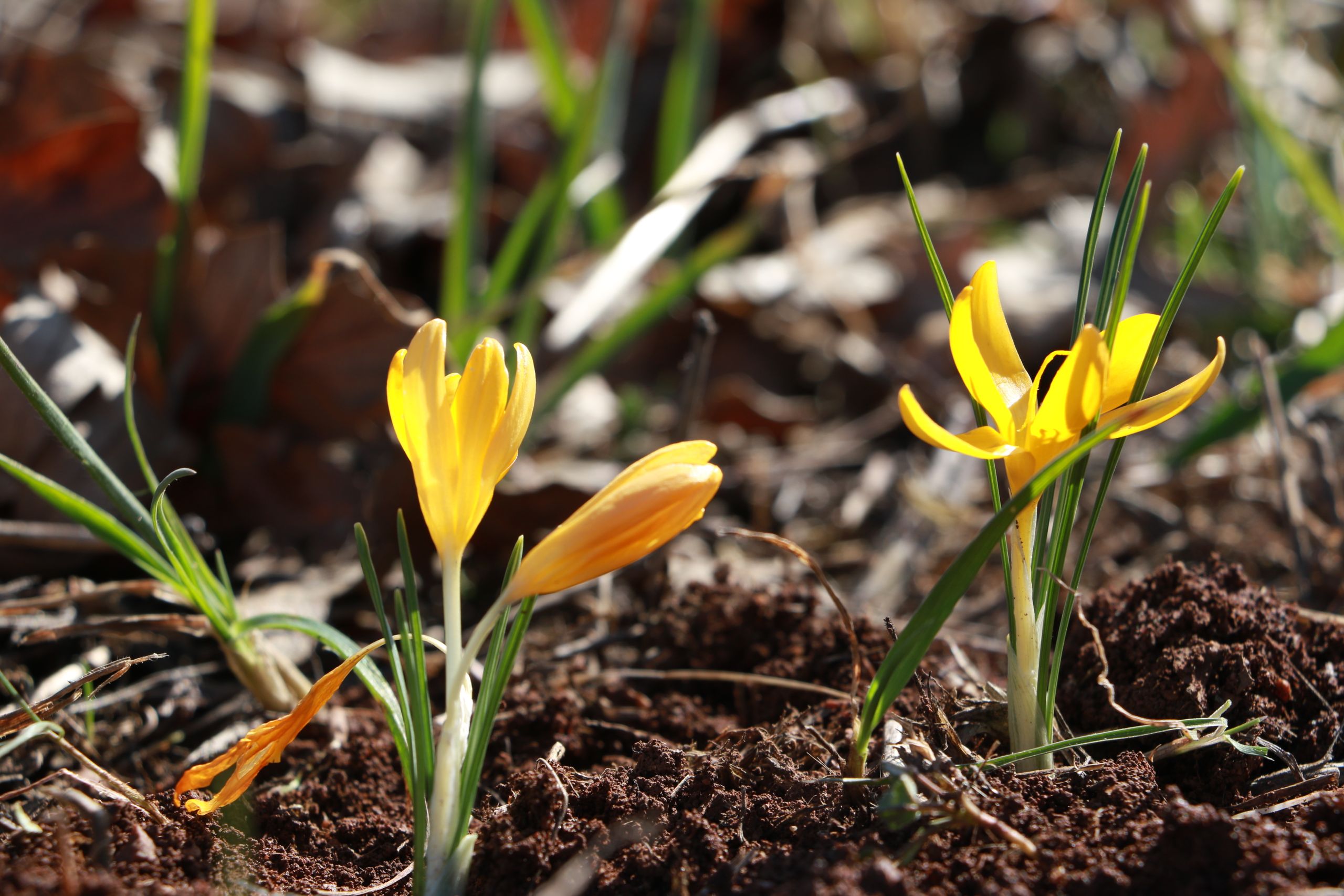
This shift isn’t happening only in backyard flower beds. Local organizations across the country have started building entire events around the idea that fall, not spring, is the smarter season to overhaul a garden plant selection. In Winnetka, Illinois, the community group Go Green Winnetka has held an annual Fall Native Plant Sale for several years running, encouraging residents to plant in September rather than waiting for the following spring. According to the group, fall typically offers warm soil, cooler air temperatures, ample sunlight, and more predictable rainfall, all of which help new roots establish before the first frost.
That messaging echoes a broader theme running through this year’s national gardening trend forecasts. Alongside native plants and re-wilding, water-conscious approaches like gravel gardens have been gaining ground specifically because they reduce a landscape’s irrigation needs once plants are established, something fall planting supports well given the season’s naturally cooler, less demanding growing conditions. Bunting has also pointed to a rising interest in edible gardening, noting that a well-managed vegetable garden can meaningfully offset grocery costs, another practical motivation drawing gardeners toward reconsidering their yards rather than simply maintaining them out of habit.
Taken together, these threads point to something bigger than a seasonal marketing slogan finally catching on. Gardeners are increasingly treating fall as a genuine planning season, a window to ask whether their yard is actually supporting local wildlife, using water wisely, or producing anything useful, rather than simply looking tidy. The plants themselves may be going dormant above ground as temperatures drop. Still, for a growing number of gardeners, that quiet season below the surface is exactly when the real work of building a better garden begins.
Other posts you might like:
- 9 Garden Sheds That Prove Outdoor Storage Can Look Beautiful
- 8 Pretty Flowers That Can Help Support a Thriving Vegetable Garden
If you like what you just read, then subscribe to our newsletter and follow us on social media.


