


This article was originally published on Crafting Your Home. A human contributor also wrote and edited the post.
For many homeowners, a broken furnace, leaking roof, or failed water heater can quickly become a financial crisis. Although owning a home is often associated with stability, unexpected repairs can put serious pressure on households with little money set aside for maintenance.
Recent survey findings show that many American homeowners are not financially prepared for sudden repair costs. More than half of homeowners surveyed by HomeServe in 2026 had $1,000 or less saved for unexpected home repairs. Another report based on the same survey found that 30 percent had $500 or less saved, including more than 12 percent who had no emergency savings at all.
Repair Emergencies Are Common
Unexpected repairs are not rare events that affect only neglected homes. HomeServe’s 2026 survey found that more than 80 percent of homeowners experienced at least one repair emergency in the past year.
Heating and cooling systems were among the most common sources of emergency costs. HomeServe reported that 22 percent of American homeowners needed an HVAC repair or replacement during the previous 12 months. Other frequent problems can include plumbing leaks, electrical faults, appliance failures, damaged roofs, and sewer-line issues.
The cost and urgency of these repairs can vary widely. A minor leak may require a relatively inexpensive replacement part, while a failed furnace in winter or a storm-damaged roof may require thousands of dollars immediately.
Why Savings Often Fall Short
Homeowners may understand the importance of an emergency fund but still struggle to build one. Mortgage payments, property taxes, insurance, utilities, food, transportation, and routine maintenance all compete for the same household income.
The cost of homeownership has also increased in many areas. Insurance premiums, materials, and contractor labor can make even ordinary repairs more expensive. Hippo’s 2026 Housepower Report found that the share of homeowners budgeting between $500 and $4,500 for routine maintenance rose from 39 percent to 58 percent, while the share budgeting $6,501 or more fell from 35percent to 14 percent.
These figures suggest that many homeowners are planning smaller maintenance budgets even as repair costs remain unpredictable. A household may set aside money for routine work but still be unable to handle a major emergency.
Small Problems Can Become Expensive
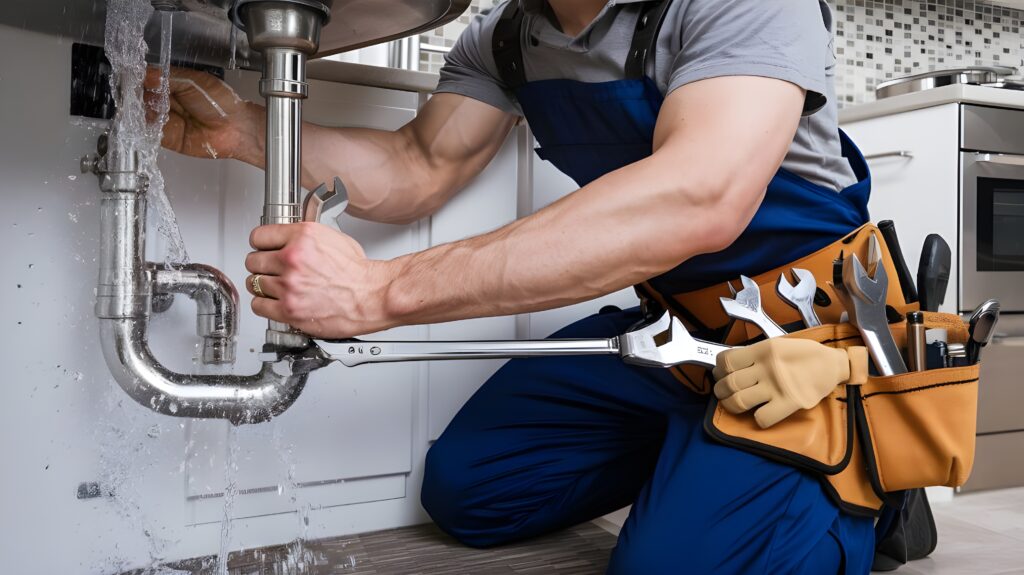
Delaying a repair may appear to save money in the short term, but some problems become more expensive when ignored. A small roof leak can damage insulation, ceilings, walls and electrical systems. A slow plumbing leak can lead to mould or structural damage. Poorly maintained heating or electrical equipment can become a safety risk.
HomeServe reported that many homeowners delay repairs because of cost. Delaying work is understandable when a household has only a few hundred dollars available, but the decision can increase the eventual bill.
This is why homeowners often face a difficult choice between borrowing money for a repair and allowing a problem to worsen. Neither option is ideal, particularly for people living on fixed incomes or managing other debts.
Older Homes May Need More Attention

A home’s age can influence its repair needs. Older properties may have aging roofs, plumbing, wiring, windows, insulation, and heating systems. Even when a house has been maintained carefully, major components eventually reach the end of their useful life.
Older homes may also require repairs that are difficult to identify without professional inspection. A homeowner may see peeling paint or a damp patch but not know whether the problem is cosmetic or evidence of a larger structural or water issue.
Regular inspections can help identify problems before they become emergencies. Homeowners can check gutters, roof surfaces, visible pipes, windows, doors, and heating systems. They should also watch for unusual smells, sounds, dampness, water stains, or changes in utility bills.
The Difference Between Maintenance and Emergency Work
Routine maintenance is usually easier to plan than emergency repair. Cleaning gutters, replacing filters, sealing small gaps, and servicing heating or cooling equipment may help prevent some failures, although maintenance cannot eliminate every risk.
Keep an emergency fund separate from money intended for planned improvements. A homeowner may want to repaint a room or replace cabinets, but a broken water heater or leaking roof should take priority.
Homeowners can create a maintenance calendar that lists the age and condition of major systems. Knowing when a roof, water heater, or HVAC system was installed can help a household anticipate future replacement costs.
What Homeowners Can Do
Homeowners with limited savings can start by identifying the most urgent risks. Safety-related problems, active leaks, heating failures, exposed wiring, and structural damage should take priority over cosmetic projects.
It can also help to obtain more than one estimate for non-emergency work. Prices vary between contractors, although the cheapest estimate is not always the best choice. Homeowners should verify licensing, insurance and references where applicable, and request a written description of the work.
Some communities offer repair grants, loans or assistance programs for qualifying homeowners. Local housing departments, senior-service agencies, nonprofit organizations, and community action agencies may provide information. Eligibility differs by location and income, so homeowners should check official local sources.
Insurance policies may cover certain sudden events, such as storm damage, but they usually do not cover ordinary wear and tear. Homeowners should understand their policy’s deductible, exclusions, and claims process before an emergency occurs.
Be Careful With Emergency Contractors
Repair emergencies can make people vulnerable to scams. Homeowners may feel pressured to hire the first person who arrives or to pay a large amount upfront.
Warning signs can include unsolicited offers after a storm, demands for full payment before work begins, pressure to sign immediately, vague estimates and requests to pay only in cash. Homeowners should seek written agreements and avoid signing documents they do not understand.
For major work, an independent inspection or second opinion may be useful. A trusted neighbor, local housing organization, or government office may be able to recommend reliable contractors.
The Broader Financial Problem

The difficulty of paying for home repairs reflects a wider lack of emergency savings among American households. The Federal Reserve’s 2024 household well-being report found that 37 percent of adults said they could not cover a $400 emergency expense using cash or its equivalent, or would need to borrow or carry a credit-card balance.
A home repair can cost much more than $400. This helps explain why a broken appliance or plumbing problem can quickly lead to credit-card debt, personal loans, or borrowing from relatives.
Homeowners with limited savings may also delay other essentials to pay for repairs. They may reduce food spending, postpone medical care, delay utility payments, or take on extra work. A repair bill can therefore affect the entire household budget.
Why Emergency Preparation Matters
The 2026 HomeServe findings show that emergency repairs are common while many homeowners have limited savings available to handle them. More than half of surveyed homeowners had $1,000 or less set aside, and 30 percent had $500 or less.
The most practical response is preparation, not panic. Homeowners can inspect major systems, budget for routine maintenance, learn what their insurance covers, and gradually build a dedicated repair fund. Even a small regular contribution can provide more flexibility than having no savings at all.
Unexpected home repairs cannot always be prevented, but early maintenance, careful planning, and reliable information can reduce their financial impact. For many American homeowners, the challenge is not deciding whether repairs matter. It is finding enough money to address them before a small problem becomes a major one.
Other post you might like:


