

The Post: Why “He Won’t Grow Up” Has Become a Marriage-Breaking Point for Some Gen X Women first appeared on Crafting Your Home.
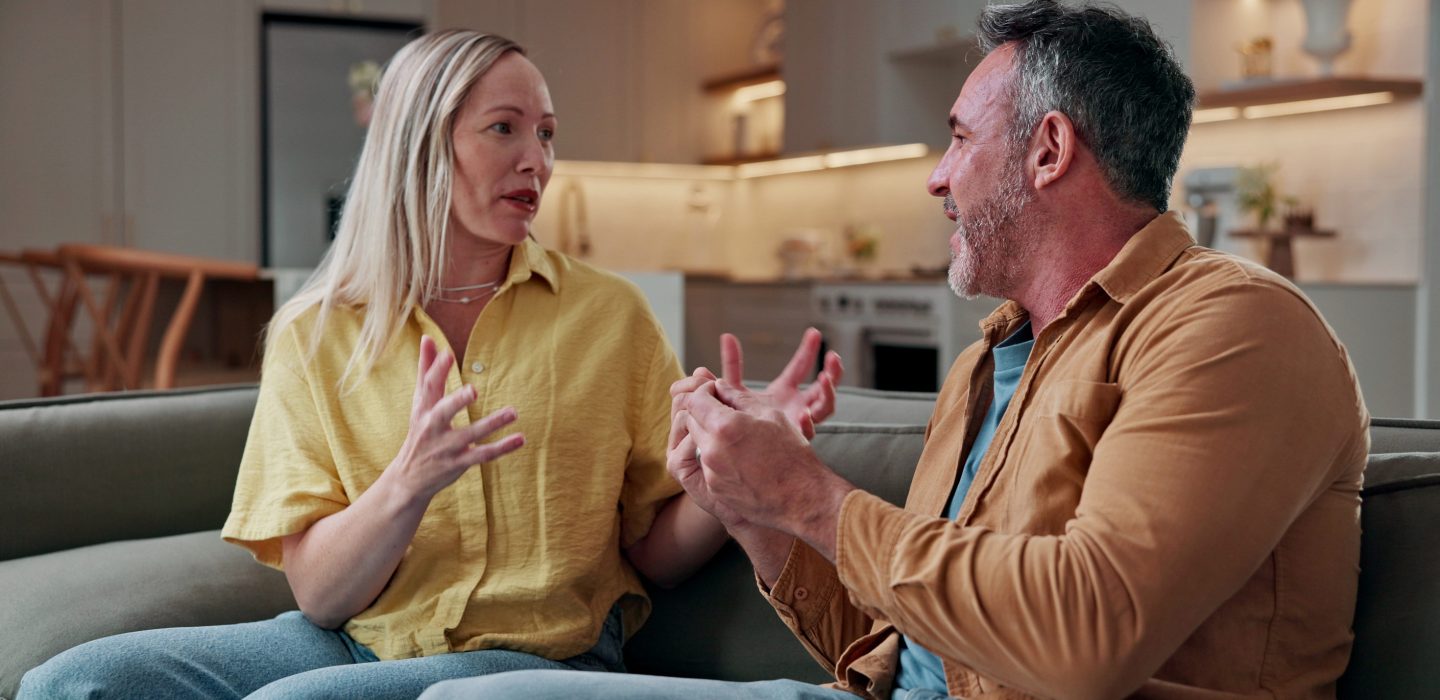
For many Gen X women, divorce conversations among friends can feel surprisingly common. The dinner-table stories often sound less like one dramatic event and more like years of frustration: one person carrying the planning, the remembering, the organizing, and the emotional effort of keeping a home and family running.
But the bigger picture is more complicated. There is no national statistic proving that Gen X women are divorcing because their husbands “refuse to grow up.” What does exist is a growing conversation about unequal responsibilities, changing expectations, and what happens when one partner feels like they are managing an entire household instead of sharing a life.
Gen X, generally born between 1965 and 1980, is now in a stage of life where careers, older children, caregiving responsibilities, and long-term relationship patterns often come into sharper focus. For some couples, those pressures can reveal problems that have been building for years.
Here are some of the reasons this issue resonates with many midlife women.
1. The problem is often bigger than the dirty dishes
When some women say their partner “won’t grow up,” they are not always talking about one forgotten chore or a messy kitchen.
They may be describing a pattern: one person notices what needs to happen, makes the plan, follows up, and keeps everything moving.
The frustration is often about being the person who manages the invisible work of a household.
That can include remembering appointments, planning family events, keeping track of bills, arranging repairs, managing holiday traditions, or thinking ahead about what the family will need next.
The argument is rarely just about laundry. It is often about feeling alone in the responsibility.
Related: 8 Relationship Fears Women in Long Marriages Secretly Carry
2. Women’s roles in marriage have changed
Many Gen X women entered adulthood with different expectations than previous generations. More women built careers, contributed financially, and became equal or primary earners in their households.
But changing income roles have not always meant changing household roles.
Research from Pew has found that wives’ financial contributions have increased over time, while women still often do more household chores and caregiving. Men, on average, spend more time in paid work and leisure activities.
That does not mean every couple has the same experience, or that unequal household work automatically leads to divorce. But for some couples, the imbalance can become a source of resentment when one partner feels responsible for both earning and managing the home.
3. Some women reach a point where they stop accepting the same patterns

A marriage does not usually end because of one single moment. More often, couples experience years of disagreements, unmet expectations, or growing distance.
For some women in midlife, the question becomes less about whether their partner can do a specific task and more about whether they feel they have a true teammate.
The phrase “he won’t grow up” is not a formal divorce category. It is a personal description of behaviors some people experience as avoidance, such as refusing to share responsibilities, avoiding difficult conversations, or leaving one partner to handle most of the household management.
Every relationship is different, and there are many reasons marriages end, including financial issues, communication problems, changing goals, infidelity, caregiving challenges, or other serious conflicts.
4. Women are often the ones who decide a marriage is over
A Stanford analysis using nationally representative relationship data found that women initiated or wanted an estimated 69% of divorces in its study sample, compared with 31% initiated by men.
That finding applied to heterosexual marriages in the study and does not explain why any individual couple separates.
Still, it adds context to why many divorce stories are told from a woman’s perspective.
Sometimes the person who files is not the person who suddenly became unhappy. They may be the person who reached the decision after a long period of thinking about the relationship.
Related: 8 Reasons Many Women Decide to End Their Marriages
5. The “everyone is divorcing” feeling can be about life stage
Many people notice clusters of change among friends at the same age. When several people in the same social circle go through divorce, it can feel like an entire generation is experiencing the same thing.
However, national divorce data do not show that Gen X is driving a unique divorce wave.
The CDC reported 672,502 divorces and annulments across 45 reporting states and Washington, D.C. in 2023, with a provisional rate of 2.4 divorces per 1,000 people. The CDC also notes that reporting is incomplete, so comparisons require caution.
Long-term research has drawn attention to “gray divorce,” especially among adults over age 50, even while the overall divorce rate has declined over time. For older Gen X adults approaching or entering that stage of life, those conversations may feel especially relevant.
The real issue may be partnership, not perfection
Most people are not searching for a flawless spouse. They are looking for someone who participates, adapts, and takes responsibility alongside them.
For some Gen X women, divorce is not about a single argument or one disappointing habit. It is about years of feeling like they were carrying the home, the schedule, and the emotional workload without enough support.
The phrase “he won’t grow up” may be casual, but underneath it is often a deeper question: “Am I building a life with someone, or am I managing one?”
Your home is not just where life happens; it is where partnership becomes visible.
Other Posts You Might Like.
- 10 Honest Reasons Women File for Divorce More Often Than Men
- 9 Painful Realities Pushing Divorced Women Over 50 to Give Up on Dating
- 8 Alarming Reasons Marriages Can Fall Apart After 50
If you like what you just read, then subscribe to our newsletter and follow us on social media.


