
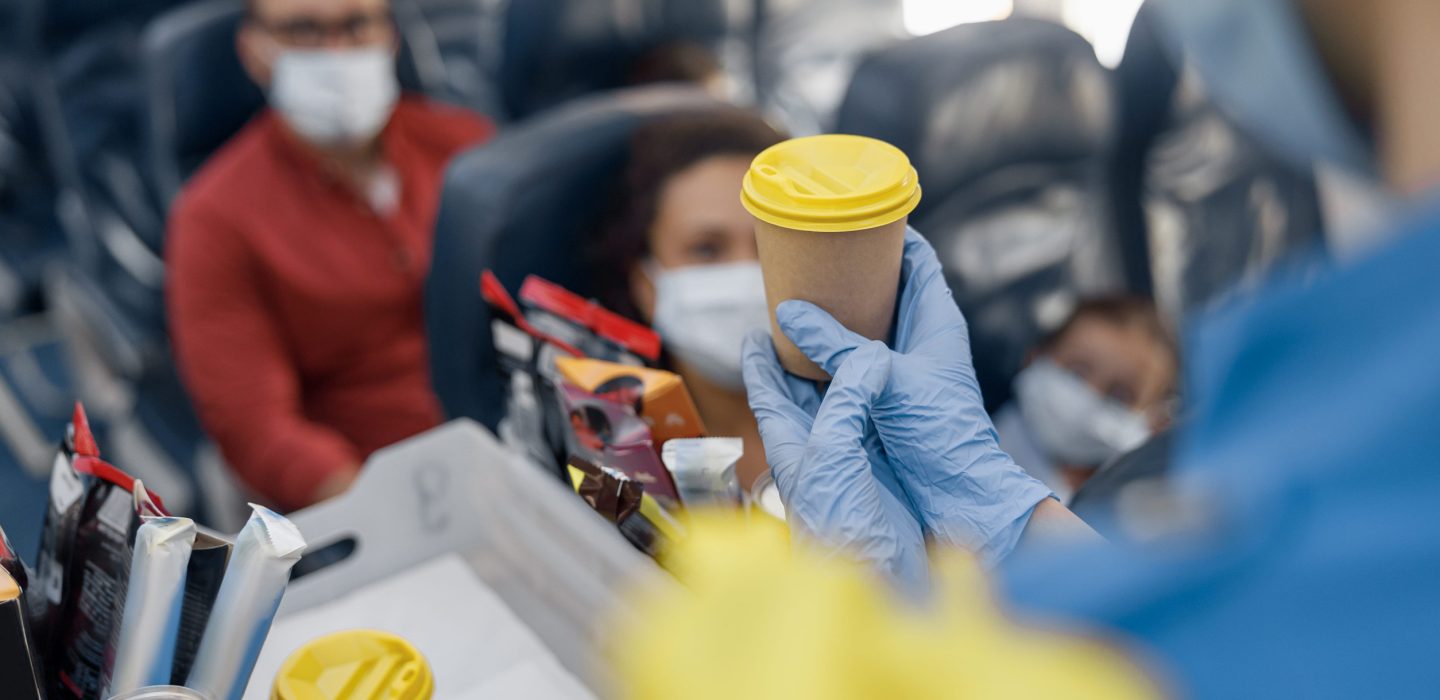


The Post: Why Airplane Food Tastes Different at 35,000 Feet (It’s Not Just the Recipe) first appeared on Crafting Your Home.
You take a bite of a meal on the ground and think, “This is pretty good.” Then the same kind of food appears on a flight, and suddenly it seems less flavorful. Is airplane food really worse, or is something else happening at cruising altitude?
The answer is a little more interesting: the airplane itself changes how we experience food. At 35,000 feet, the cabin environment can affect the way we notice aromas, sweetness, saltiness, and savory flavors. The meal may be the same, but the conditions around it are very different.
1. The cabin is not really at 35,000 feet
When an aircraft flies high above the clouds, passengers don’t actually experience the pressure of that altitude. Commercial aircraft cabins are pressurized, but the pressure is usually equivalent to being somewhere around 5,000 to 8,000 feet above sea level.
That lower cabin pressure does not erase flavor, but research suggests it can change how strongly we perceive certain tastes. Sweet and salty flavors, in particular, may not seem as intense as they do on the ground.
This means a meal that was carefully seasoned in an airline kitchen may taste more subtle once it reaches your tray table.
2. Dry cabin air makes aromas harder to notice
A big part of what people call “taste” actually comes from smell. The aroma of herbs, spices, sauces, and ingredients helps create the full meal experience.
Airplane cabins are much drier than many people expect.
FAA-reviewed flight data found that cabin humidity can start around 35–50% and drop to roughly 10–25% as a flight continues, depending on conditions.
That dry environment can make food aromas less noticeable. A dish that normally smells rich on the ground may seem flatter or less exciting in the air.
3. Sweet and salty flavors can lose some impact
One reason airline meals sometimes need careful flavor planning is that some tastes become less noticeable during flight.
Research conducted by the Fraunhofer Institute for Lufthansa found that, in simulated cabin conditions, saltiness could be perceived as 20–30% less intense and sweetness as 15–20% less intense.
These numbers do not mean every passenger loses the same amount of flavor perception or that every meal becomes bland. Instead, they show that the flight environment can influence how strongly certain flavors are experienced.
That is why airline chefs often focus on creating meals with strong overall flavor balance rather than simply adding more salt or sugar.
Related: 10 Irresistible Desserts You Need to Try for Your Sweet Cravings
4. The noise of the plane changes what stands out
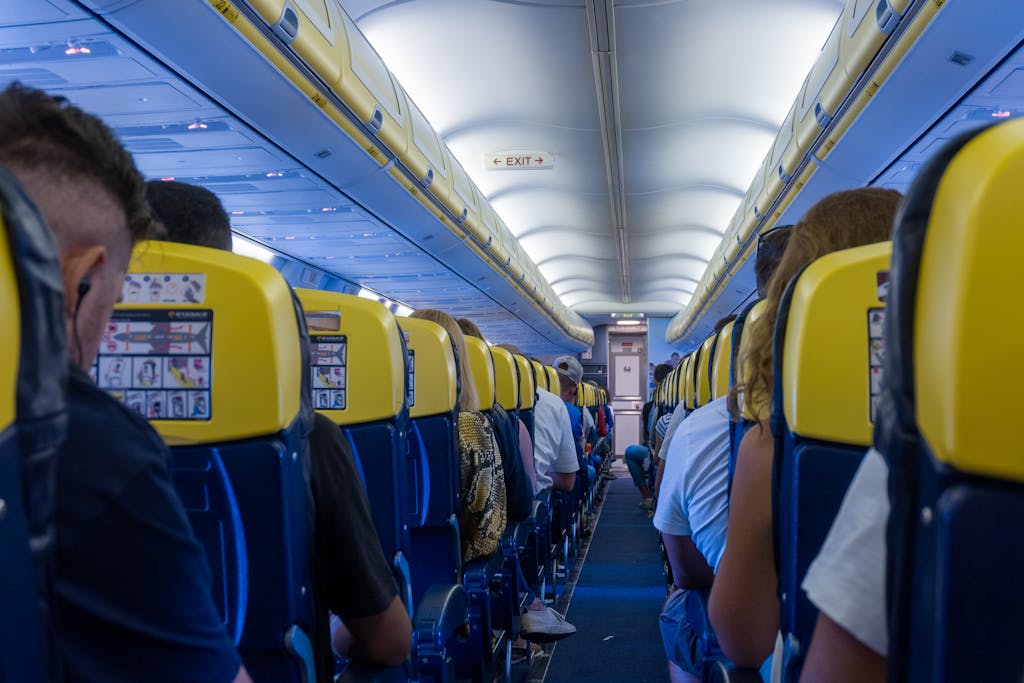
The sound of a jet cabin is more than background noise. Researchers have studied how loud environments influence eating experiences, and aircraft-like noise levels around 85 decibels can affect how people perceive flavors.
One Cornell study found that loud noise reduced the perception of sweetness while increasing the perception of umami, the savory taste often associated with foods like tomatoes and ingredients rich in savory compounds.
This helps explain a famous airplane mystery: why tomato juice seems to taste unusually good during a flight.
5. Tomato juice’s airplane popularity actually makes sense
Tomato juice has long been considered a favorite in the sky, and science offers a possible explanation.
Tomatoes contain flavors associated with umami, a savory quality that can stand out more in noisy cabin environments.
When sweetness is less prominent and savory notes stand out more, tomato-based drinks and foods may feel especially satisfying.
The airplane is not changing the recipe. It changes how your senses experience it.
Related: Ignoring These 8 Hydrating Foods Could Be Damaging Your Health
6. Airline meals also face kitchen challenges
Of course, cabin conditions are only part of the story. Airline food has practical challenges before it ever reaches the aircraft.
Meals are often prepared in large quantities, chilled, transported, stored, and reheated onboard. That process helps maintain safety and consistency, but it can affect texture.
Crispy foods may lose their crunch, and lean proteins can become dry after reheating. Foods with moisture and strong flavors, such as curries, stews, soups, braised dishes, tomato-based meals, and sauced grains, often handle the journey better.
That is why many airplane meals are designed around ingredients that stay flavorful after preparation and reheating.
7. How to make travel food taste better
- Pick moist, savory foods when possible. Dishes with sauces, spices, or rich savory flavors often hold up better during travel.
- Consider flavors like citrus, pepper, chili, ginger, and herbs if you can bring seasonings under airline and destination rules.
- Drink water during the journey. A dry cabin environment does not help your overall eating experience.
- Expect delicate sweet flavors to seem less noticeable in the air than they do on the ground.
Other Posts You Might Like
If you like what you just read, then subscribe to our newsletter and follow us on social media.


