



The post When Your Relationship Feels More Like a Routine Than a Romance, Here’s What to Actually Pay Attention To first appeared on Crafting Your Home.
Remember when just being near your partner used to feel like something? Now it feels like Tuesday.
If your relationship has started to feel less like a romance and more like a shared logistics operation- dishes, schedules, bills, sleep- you’re not imagining it, and you’re not alone. According to relationship researchers, there’s an actual, well-documented psychological process behind why this happens to nearly every long-term couple. The good news: understanding it is the first step to doing something about it.
Your Brain Is Designed to Make Love Feel Boring Eventually
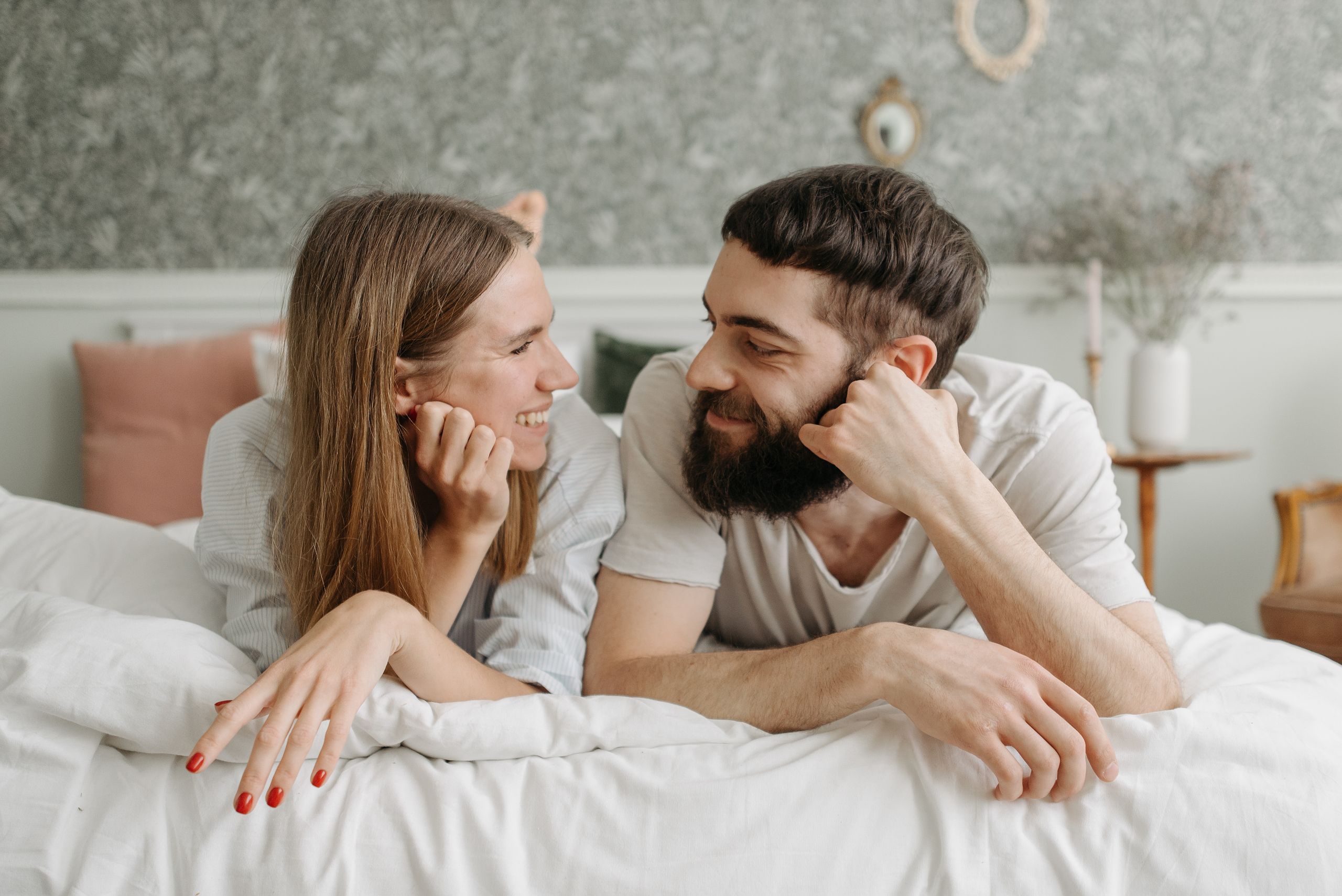
Here’s the part nobody tells you at the start of a relationship: fading isn’t a sign something’s wrong with you or your partner. It’s a documented psychological process called hedonic adaptation, and research published in the Journal of Positive Psychology calls it one of the biggest threats to long-term relationship satisfaction.
The researchers behind that study describe hedonic adaptation as the mechanism by which people gradually get used to positive life changes, whether that’s a new job, a nicer house, or a new relationship, until the initial emotional boost fades back down to something closer to baseline. According to the paper, the beginning of a romantic relationship is typically marked by high levels of passion, joy, attraction, excitement, and novelty. Over time, without any active effort to counteract it, that intensity naturally settles into something far quieter and more routine.
Psychology Today describes the same phenomenon as the “hedonic treadmill.”According to that explanation, starting a new relationship brings a genuine burst of extra happiness, but that burst typically doesn’t permanently raise a person’s everyday happiness level. Instead, people adjust their expectations to the new status quo, and what was once thrilling becomes normal. It’s the same mechanism that makes a beautiful new house eventually feel like “home,” no more, no less exciting than any other room you walk through daily.