What to Eat to Stay Strong and Healthy as You Age

Aging is inevitable, but how we age is something we can control through lifestyle choices, especially through our diet. One critical aspect of healthy aging is maintaining physical strength and vitality, preventing frailty, and optimizing overall well-being.
Research consistently shows that nutrition plays a vital role in supporting these goals, particularly by incorporating nutrient-dense foods into our daily routine. Among the most potent nutrients for fighting frailty as we age are flavonoids, specifically quercetin.
Flavonoids are a diverse group of plant compounds with powerful antioxidant properties, and their health benefits range from reducing the risk of chronic diseases to supporting healthy aging.
In this article, we’ll delve into the role of quercetin and how incorporating flavonoid-rich foods into your diet can help you age with vitality and strength.
Understanding Frailty and the Role of Nutrition in Aging
Frailty refers to a clinical syndrome characterized by weakness, fatigue, and decreased physical function that often accompanies aging. It significantly increases the risk of falls, disability, and mortality in older adults.
While frailty is common as we age, its onset is not inevitable, and research suggests that lifestyle factors, especially diet, can significantly influence its development.
Flavonoid-rich foods, such as fruits and vegetables, have been linked to various health benefits, including a lower risk of frailty.
These foods are not just rich in vitamins and minerals but also contain compounds like quercetin that support cellular health, reduce inflammation, and protect against oxidative stress.
This means that consuming more flavonoid-rich foods could be an effective strategy to combat frailty and maintain physical function as we age.
The Power of Quercetin
Among the numerous flavonoids, quercetin has garnered particular attention for its health benefits, especially its potential role in reducing the risk of frailty. Research published in the American Journal of Clinical Nutrition revealed that a higher intake of quercetin was associated with a lower likelihood of frailty onset in older adults.
Quercetin is a type of flavonoid found in a variety of plant-based foods. It acts as a potent antioxidant, neutralizing free radicals in the body and protecting cells from damage. Additionally, quercetin has anti-inflammatory effects, which are crucial for maintaining healthy joints, muscles, and organs as we age.
The Framingham Heart Study, which tracked participants’ health over several decades, found a strong link between higher quercetin intake and better physical function in older adults. This suggests that adding more quercetin-rich foods to your diet could be a simple but effective way to support healthy aging and protect against frailty.
The good news is that quercetin is naturally found in a variety of commonly available fruits and vegetables. By making some intentional food choices, you can easily boost your quercetin intake. Here are some of the best food sources of quercetin to consider incorporating into your daily meals:
Capers
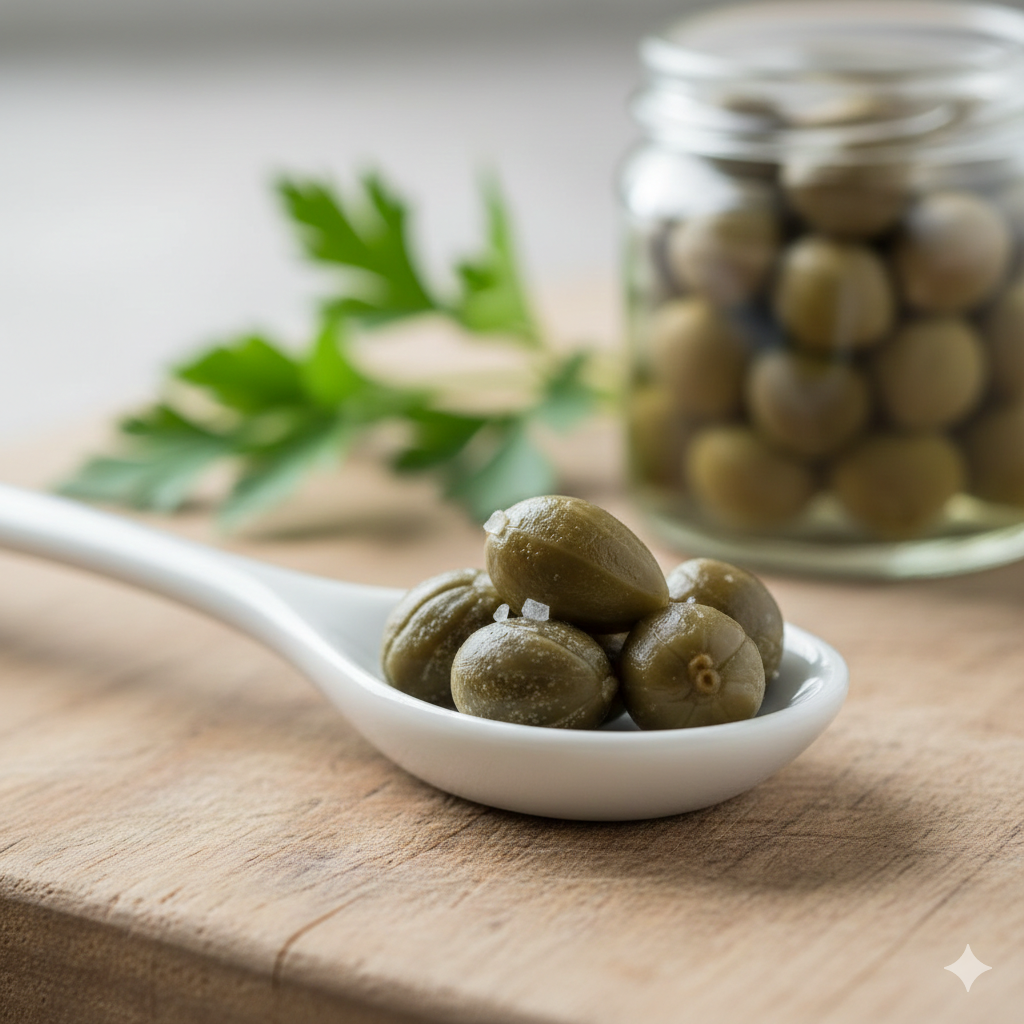
Capers are a powerhouse of quercetin, with higher levels of this flavonoid than most other foods. These small, green flower buds are often pickled and used as a tangy garnish on dishes like salads, bagels, and fish. Incorporating capers into your diet is an easy and flavorful way to increase your quercetin intake. Just be mindful of their salt content if you are watching your sodium levels.
Berries
Berries, particularly cherries, blueberries, raspberries, and blackberries, are rich in antioxidants, including quercetin. These colorful fruits are not only delicious but also contain a variety of nutrients that promote overall health.
Berries are also high in fiber, which supports digestive health and helps maintain healthy blood sugar levels. You can enjoy them fresh, frozen, or in smoothies, yogurt, and baked goods.
Grapes
Grapes are another excellent source of quercetin, especially red and purple varieties. These fruits are rich in antioxidants and have been linked to numerous health benefits, including improved cardiovascular health and reduced inflammation.
Adding a handful of grapes to your daily diet is a simple and satisfying way to boost your intake of quercetin.
Red Apples
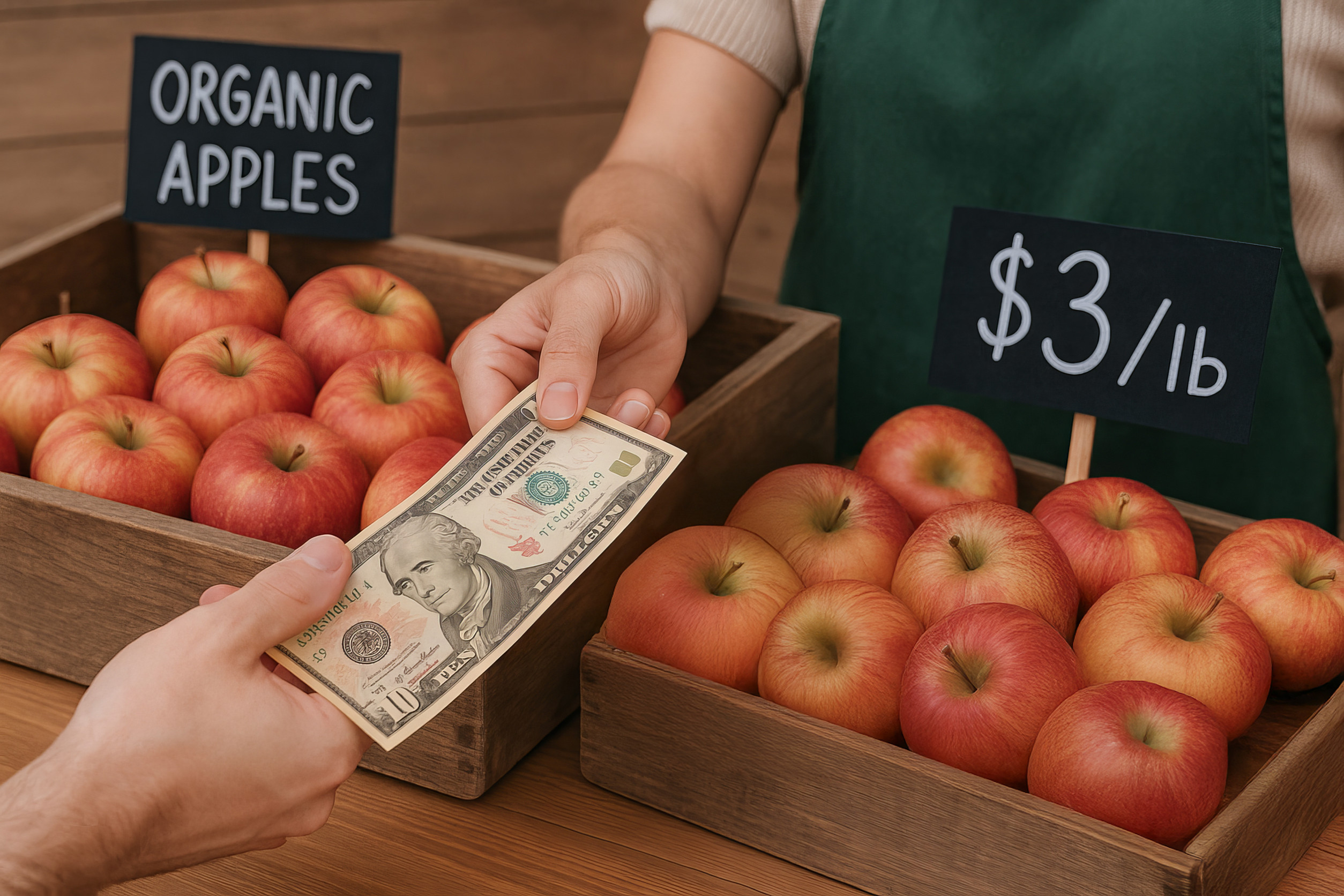
Apples, particularly red varieties, are rich in quercetin and provide a host of other health benefits. The high fiber content in apples helps regulate digestion, while the antioxidants help protect against oxidative stress. Apples are versatile and can be eaten on their own, added to salads, or baked into healthy desserts.
Onions
Onions, especially red onions, are another rich source of quercetin. They add flavor to a wide variety of dishes, from salads and sandwiches to soups and stews. Onions also contain prebiotics, which nourish beneficial gut bacteria and support digestive health.
Adding onions to your meals is an easy way to increase your quercetin intake while enhancing the taste of your food.
Cruciferous Vegetables
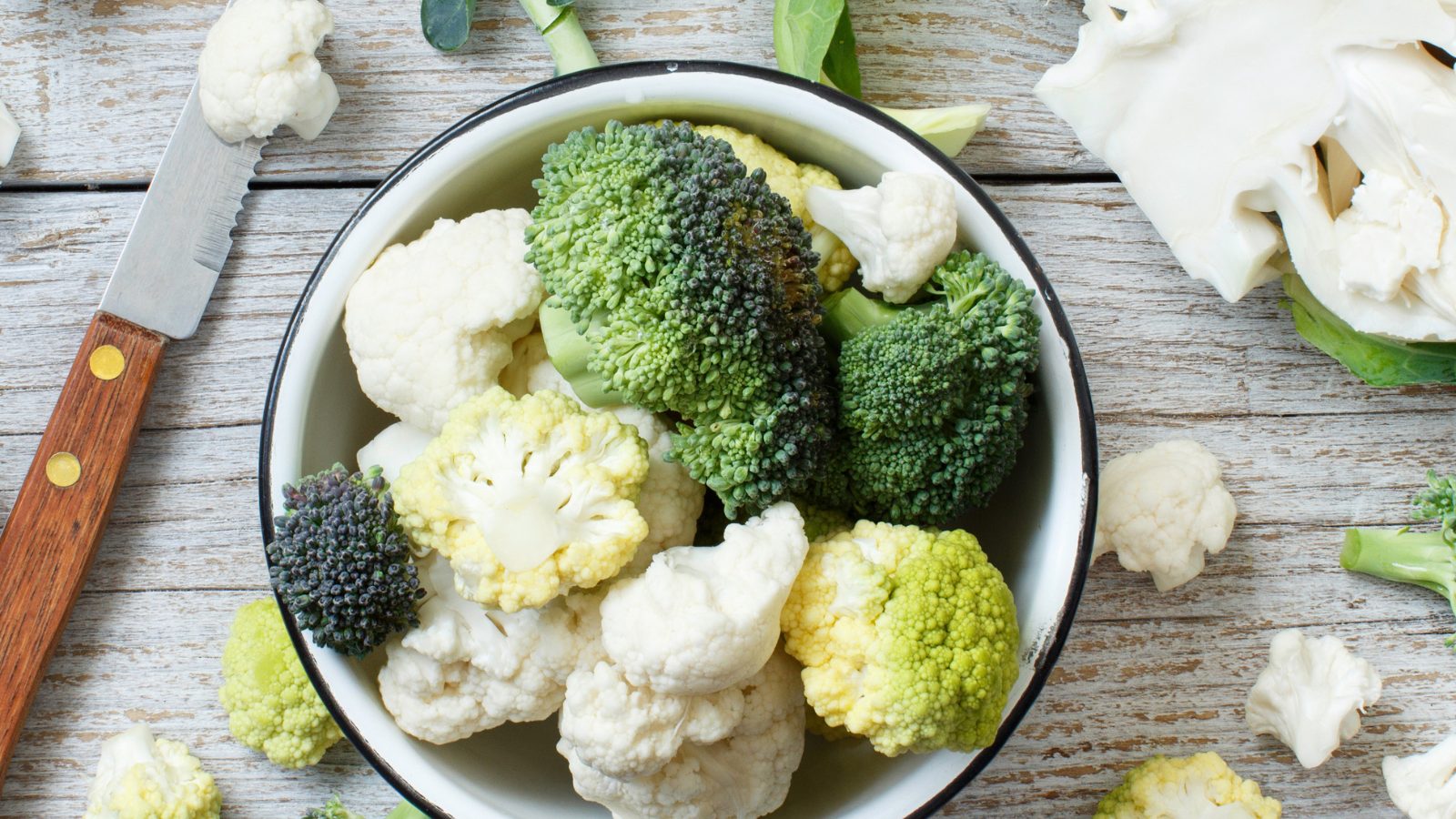
Cruciferous vegetables, such as broccoli, kale, Brussels sprouts, and bell peppers, are packed with quercetin and other essential nutrients. These vegetables also offer anti-inflammatory properties and support healthy digestion.
Broccoli, for instance, has been shown to aid in digestion and reduce bloating, making it a great addition to a healthy diet.
Citrus Fruits
Citrus fruits like oranges, lemons, and grapefruits are another great source of quercetin. These fruits are rich in vitamin C, an essential nutrient for immune function and skin health. Enjoying citrus fruits as a snack or adding them to your smoothies or salads is an easy way to incorporate quercetin into your diet.
Incorporating More Quercetin into Your Diet
Getting more quercetin into your diet doesn’t have to be complicated. Here are some practical tips for adding these flavonoid-rich foods to your daily routine:
- Start your day with a flavonoid-rich breakfast: Add berries, apples, or citrus to your oatmeal, yogurt, or smoothies. You can even sprinkle some capers on top of avocado toast for a savory option.
- Snack on quercetin-packed foods: Keep grapes, cherries, or a small serving of capers on hand for quick and healthy snacks throughout the day.
- Make vegetables a main dish: Incorporate cruciferous vegetables like broccoli, kale, and Brussels sprouts into your meals. These vegetables are not only rich in quercetin but also contain fiber, vitamins, and minerals that promote overall health.
- Cook with onions and garlic: Onions are a versatile ingredient that can be added to almost any savory dish. Whether you’re making soups, stews, salads, or stir-fries, onions are an easy way to boost your quercetin intake.
- Try supplements: If you find it challenging to get enough quercetin through food alone, you can consider taking a quercetin supplement. These supplements are widely available and can provide a concentrated dose of this beneficial flavonoid.
Conclusion
Incorporating more quercetin-rich foods into your diet is a simple yet effective strategy for promoting healthy aging and fighting frailty.
Quercetin, found in fruits, vegetables, and herbs, is a potent antioxidant with anti-inflammatory properties that support physical function and protect against age-related decline.
By including foods like capers, berries, grapes, onions, and cruciferous vegetables in your meals, you can support your body’s resilience and maintain your strength as you age.
Read the original article in Crafting Your Home.